Te Oomai Reia Romiromi Wānanga
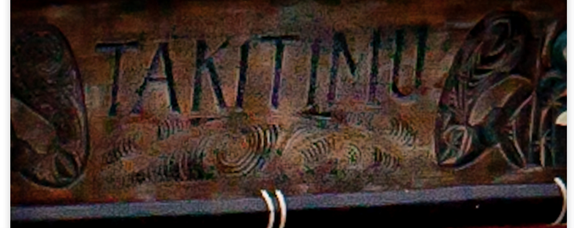
These wānanga are for the descendants of the waka tapu o Takitimu. Rangatahi as the descendants of these Tohunga continue to be born with phenomenal spiritual gifts but have never been mentored in how to use them. Having our tamariki and rangatahi at these wānanga is so important as the younger generations soak up the mātauranga and retain the knowledge much faster than the adults. The rangatahi are born with these spiritual abilities of the Tohunga of old even today not knowing how to manage Matekite visions and spiritual experiences. It is vital to role model the kaitiakitanga of Rongoā Māori to future generations of mokopuna with the intention of preserving our ancient healing ways. The wānanga therefore is for the entire whānau where tamariki, rangatahi, parents and grandparents are all involved in the healing process.
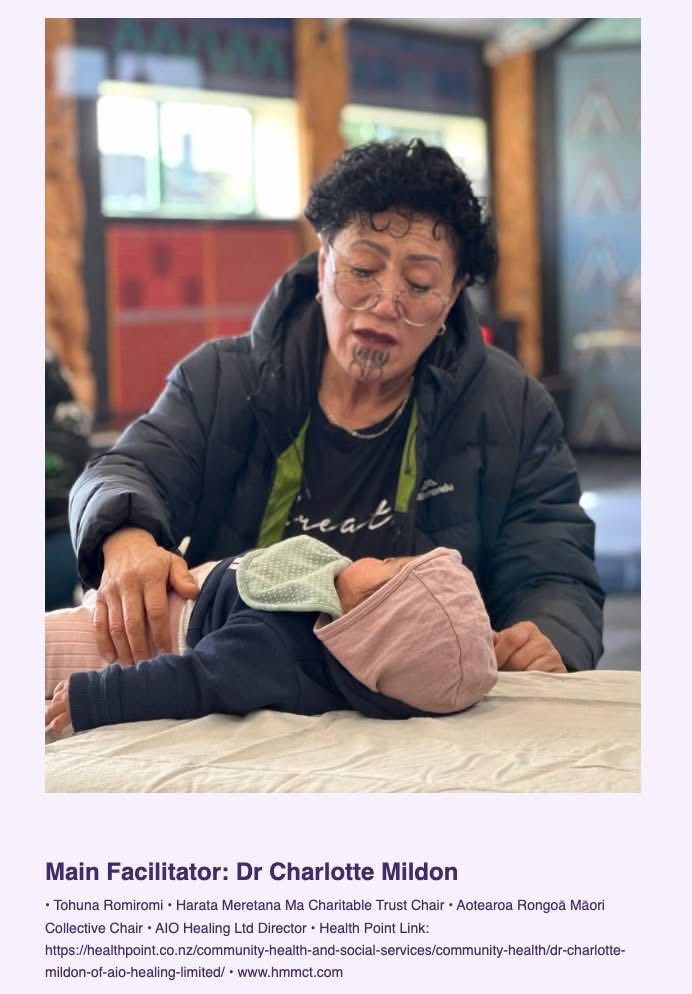
The main facilitator Dr Charlotte Mildon comes from a long line of Tohunga Kuia and has a vast repertoire of traditional Māori healing rituals and spiritual practices with over 40 years of experience taught by master Tohuna and Tohunga like the late Te Awhina Riwaka, the late Papa Hohepa De La Mere, the late Dr Rose Pere, the late Tom Maraki, the late Manu Korewha and Atarangi Murupaenga. This expertise enables her to work with tauira of all ages creating a safe learning environment throughout the wānanga series being a master in her own field, fluent in the Māori philosophies of healing mate porangi, mate wairangi, mate haurangi, mate Māori and mate makutu.
Each wānanga throughout the year builds on the last, geared up to assess the retention of mātauranga. Experiential learning ensures the tauira are actively involved in the mahi as this is conducive with Māori ways of learning. An app as a digital platform will feature a range of videos and pictures with multi choice quizzes for the revision and retention of wānanga teachings. Using technology that rangatahi are fluent in, better suits their learning styles and ensures the retention of knowledge.
An app sets the stage for the mātauranga of their wānanga (scroll down to the bottom of the page to see prior app content of past wānanga), to go everywhere they go with ‘phone in pocket’ so the app covers a wider audience without any barriers of location. The technology incites the curiosity of the younger generation as this is the way they learn best, using apps and technology that are fun and challenging at the same time. Access to the app is reserved for wānanga participants only. Please use your username and password to access the wānanga you have attended.
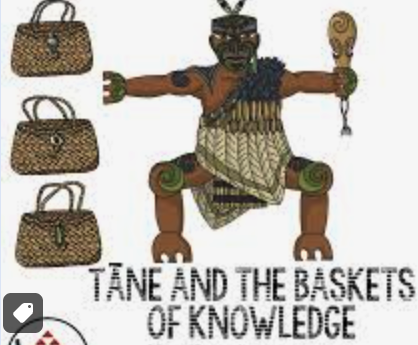
According to the late Dr Rose Pere, the twin flame of Tane is Hinekura!
Year One of the wānanga focused on ‘healing the self’ outlining the philosophies and whakapapa of tauira to ancestors of Rongoā Māori and Romiromi.
Year Two focused on ‘healing the whānau’ by linking into the ancestors of te tai ao, showcasing the different rituals and practices of Rongoā Māori and Romiromi.
Year Three will focus on ‘working whaiora in the community’ identifying a full range of ethics and boundaries for being a Romiromi and Rongoā Māori practitioner, whilst still being mentored and supported by the Tohunga and Tohuna.
Each wānanga throughout the year builds on the last, geared up to assess the retention of mātauranga. Experiential learning ensures the tauira are actively involved in the mahi as this is conducive with the Māori ways of learning. Using technology that rangatahi are fluent in, better suits their learning styles and ensures the retention of knowledge.
The teachings include the many different aspects of Romiromi and Rongoā Māori like for e.g. mahi Rongoā, mahi a wairua, wairakau, whakawātea, maara oranga, maara kai, mirimiri, taa miri, koo miri, romiromi and purepure, so whānau can have an intergenerational learning experience.
After two years of funded Romiromi and Rongoā wānanga from 2023 – 2025 we have now been funded for another two years from 2025 – 2027. It was quite evident that the evaluations that showed the healing outcomes of tauira attending wānanga, were excellent. Please note that the criteria for whānau Māori to whakapapa to Te Waka Tapu o Takitimu waka is mandatory. The waka journeyed through the islands before landing in Kaitaia, then travelling around to the East Coast to Mahia and finally through to Hawkes Bay. To meet the criteria, you will need to trace your whakapapa back to Rongoamaiwahine and her whānau from Ngāti Porou, as well as to her last husband Kahungunu who was born in Kaitaia and then later settled in Te Mahia. The book Takitimu was written by my great grandmother’s brother Jack Mitchell who was able to document the whakapapa of each waka back to the Takitimu waka. Although the book is very old, the whakapapa is in the back of the book and you can find it in the reference section at libraries all around New Zealand.
There will be five wānanga held bi-monthly from 2025 – 2026 and the next wānanga will be updated here on this page.
Wānanga One 2025 was scheduled for the 5th – 7th September 2025.
Wānanga Two 2025 was scheduled for the 7th – 9th November 2025.
Wānanga Three 2026 was scheduled for the 16th – 18th January 2026
Wānanga Four 2026 is scheduled for the 20th – 22nd March 2026
Wānanga Five 2026 is scheduled for the 5th – 7th June 2026
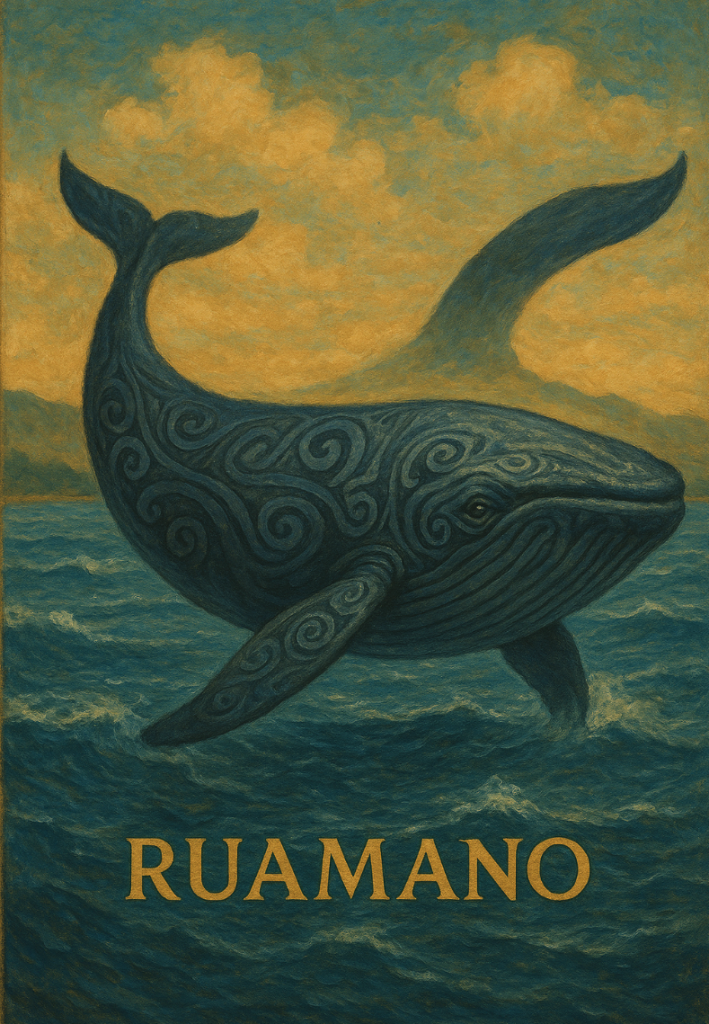
Te Waka Tapu o Takitimu Wānanga Content
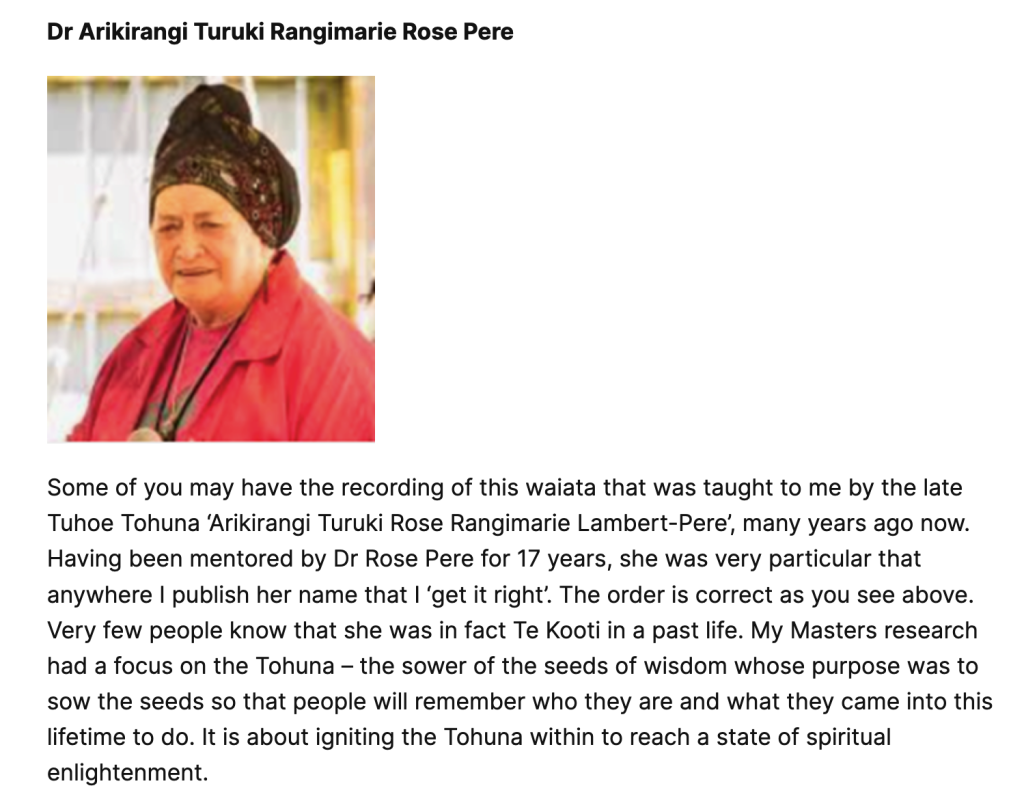
Many of the philosophies of Te Oomai Reia Romiromi originated from the teachings of the late Papa Hohepa De La Mere, Tohunga Ahurewa, alongside the feminine wisdom of the Tohuna Dr. Arikirangi Turuki Rangimarie Rose Pere.
The late Papa Hohepa De La Mere
Te Oomai-reia is magical in its format. It’s healing and delivery is powerful and positive. This traditional Maori healing knowledge that was passed down through the generations to our master teacher, Papa Hohepa Delamere. I was honoured and privileged to have been one of his tauira – students. Papa Delamere has given his blessing to teach ‘Te Oomai Reia’ to help other people. Even though he shared these teachings with many different cultures around the world, he was far more in-depth with his students in Aotearoa.
“While our hands move with eternity, our feet are firmly entrenched in infinity and still, we remain in our integrity.” Papa Hohepa Delamere, 2003.
The foundation of this work is based on the philosophy of traditional Maori Healing Te Oomai-Reia Romiromi. Mirimiri, Koo Miri, and Taa Miri are an integral part of Te Oomai Reia Romiromi. You do not have to touch a person or even be in close proximity to do mirimiri, koo miri or taa miri so, it is perfect for working with people who wish to do their healing online, either one-on-one, or in an online group setting.
Mirimiri is the spiritual manipulation of energy that can release negative energies, physical, psychological and even generational pain that is trapped in the cellular memory of the body. In philosphy, mirimiri is the spiritual healing process that clears any unnecessary energies that may block the healing process. The practising Tohunga links in to the vibrations of the female and male Atua and incites the support of the ancestors (natural phenomena) and kaitiaki (spiritual guardians) of the whai-ora (person seeking wellness), to clear any energies that are blocking the healing process.
Koo miri is the manipulation of energy in the body using traditional chants that incite different aspects of nature to heal. It is a means of using vibrational sound to bring about shifts and changes calling upon the personified guardians of nature. Koo miri facilitates an opportunity to let go of old memories that are trapped in the cellular memory of the body. Koo Miri is a process whereby the practitioner intuitively communicates with the body of the whai-ora (person seeking wellness) to explore the ‘core’ emotional experiences behind the physical, psychological or mental ailments. Where resistance is found, the practitioner can use takutaku to re-balance spiritual imbalances that will facilitate holistic wellbeing.
Taa Miri is the intuitive diagnosis of the ahua – (spiritual aura or appearance) of the body and the outer etheric body. Taa Miri reads trauma, negative energies, emotional pain, physical and psychological pain or even generational pain trapped in the body and sometimes through the family lines. Taa Miri is about listening to the body. Trauma, negative energies, emotional pain, physical and psychological pain or even generational pain can be trapped in the cellular memory of the body. The trained Tohunga (priest/priestess) practitioner can literally see where these painful experiences are sitting on the body and which bones may have come out of alignment because of it.
Mirimiri, Koo Miri, Taa Miri, me Romiromi hoki – is an ancient practice of Tohunga to clear, release and re-energize one’s entire being. As a student of Papa De La Mere, I experienced romiromi each week by his students of Papa De La Mere for nearly six months that is, until I discovered that I could fall into a deep state of delta meditation on the table. Some of the students were stunned because they were unable to ilicit a response from my body while performing romiromi. From that point on, only Papa De La Mere worked me using mirimiri, taa miri and koo miri – spiritual healing and takutaku chants to open and release any emotional and physical blockages in my body. Consequently, the energy in my body began to flow again. I use a range of spiritual healing techniques, romiromi modalities and dietary changes specific to healing including hydrating the body with water. I also use a range of natural remedies to cleanse the body’s systems, heal chronic dis-ease and boost the immune system so the body and spirit can work for you at its optimal potential.
Te Oomai Reia romiromi is a healing process, and in some cases, practitioners use their elbows, knees, feet, greenstone, wood, and sea water to clear and open blocked energy points in the body. In my experience, whilst studying with Papa De La Mere, the transformations seen in romiromi were life-changing. Hence, this work is very sacred to our culture.
The Traditional Maori Healing Techniques
“Te Whai Tika Kia Ora Ko Te Tinana” is the correcting of the body with deep tissue energy release. Deeper than what is already understood by the term ‘deep tissue’. Converting spiritual energy with universal acquaintance, used with neutral force, distributed by human communication which gives us as Māori our difference. Maintaining the work done in this manner is complemented by other methods of spiritual bodywork available today along with our ancient medicines that aid in healing.
The ancient Māori referred to this method of healing as: “TE OOMAI-REIA”
The use of natural tools with mystique and their coded messages were in the ancient prayers and songs used for healing. Calling upon their skills from the Gods and Ancestors who have and still travel the road leading to ‘Te Reinga Mutunga Kore!’
Our spiritual homeland for Māori is also the place where our knowing and understanding is held and kept. All this knowledge is cosmic, atmospheric, and earthly and is always at the center of healing. The spiritual healing knowledge and the whakapapa of this healing is often taught from a very early age and for some, prophesied by Tohunga (priest/priestess) even before birth.
“Te Oomai reia” is magical. The healing, delivery and outcomes are powerful and positive.
‘While our hands move with eternity, our feet are firmly entrenched in infinity and still, we remain in our integrity’
Na Papa Joe
Te Oomai Reia Romiromi and Rongoā Wānanga Series
Year Three Wananga App Content 2025 – 2026
The third series of wānanga from are funded by Te Whatu Ora.
Romiromi and Rongoā Māori will be showcased throughout the wānanga series.
Watch this space. More coming!
Year Two Wananga App Content 2024 – 2025
The second series of wānanga from 2024 – 2025 are funded by Te Whatu Ora.
Romiromi and Rongoā Māori will be showcased throughout the wānanga series.
Login here
Access to the app is reserved for wānanga participants only. Please use your username and password to access the wānanga content that you have attended.