FRIDAY 5th – 7th September
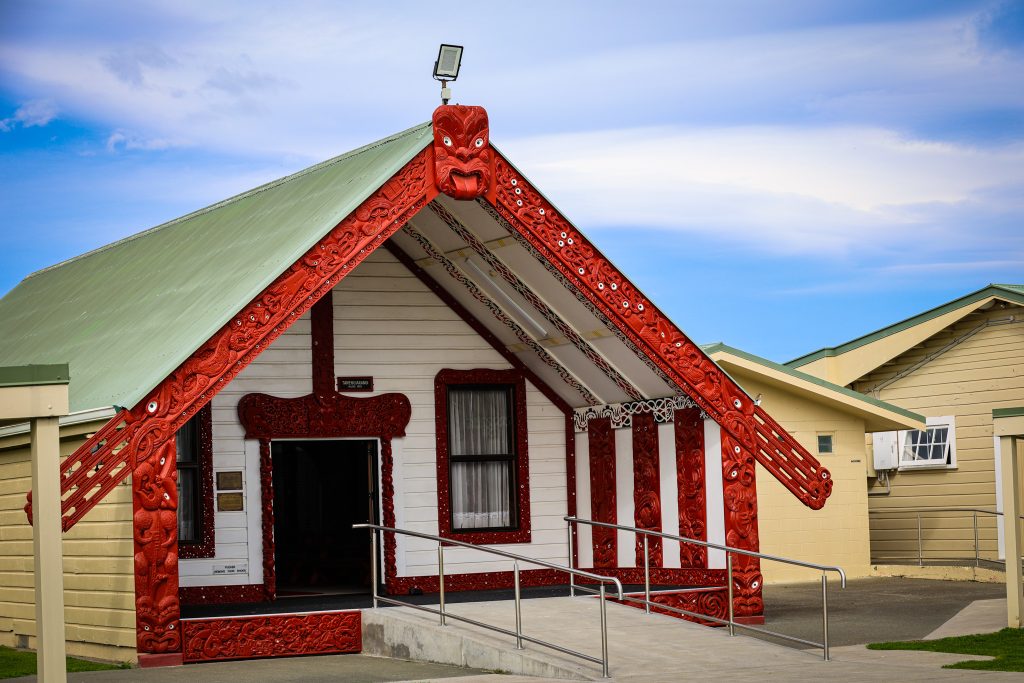
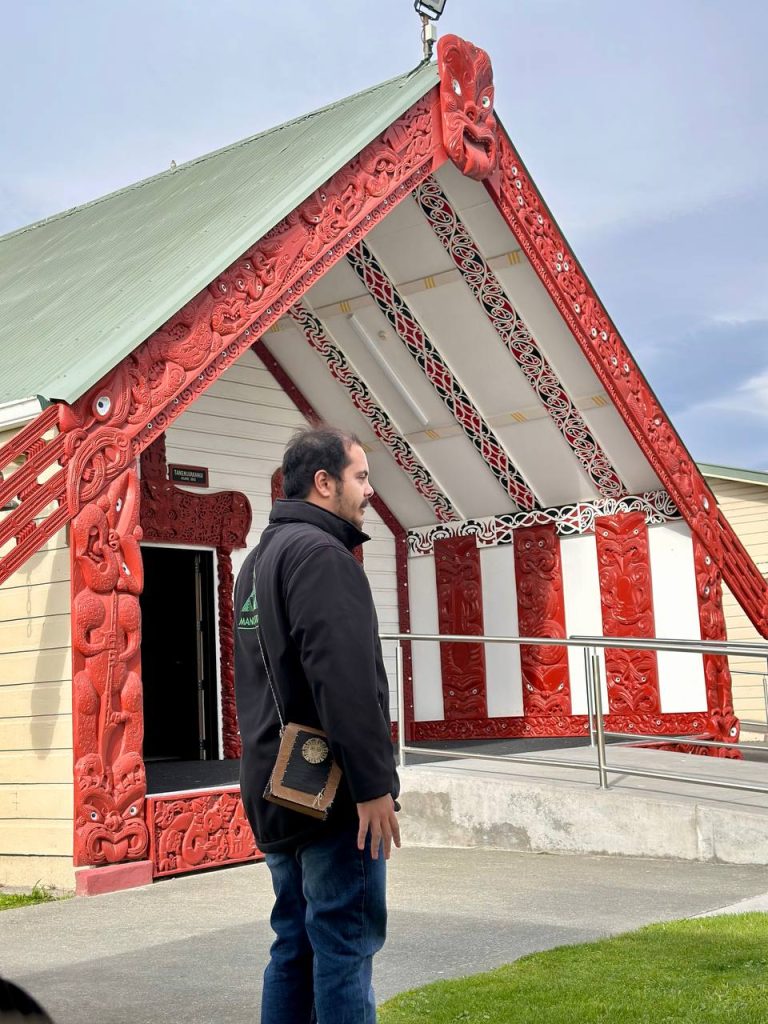
Venue: Kohupātiki Marae
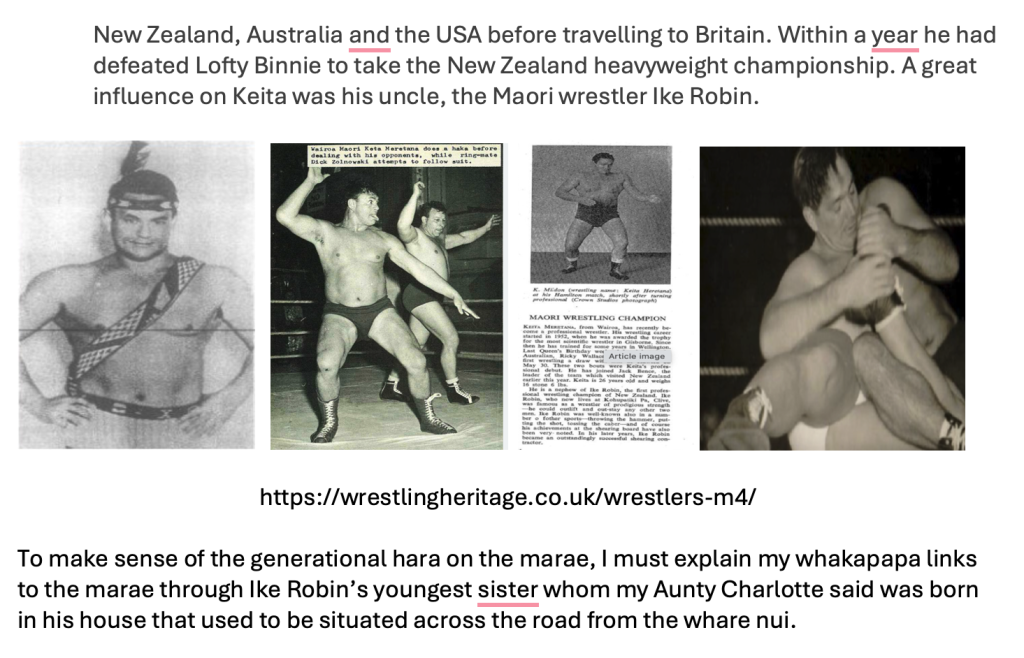
The marae we chose for our venue was Kohupātiki Marae. My whakapapa to this marae goes back several generations. My father’s brother, Keita Meretana (Keith Mildon), was trained by his uncle Īhakara Te Tuhi Rāpana, who was of Ngāti Kahungunu and Ngāti Raukawa descent. Īhakara worked as a shearer, an Anglican minister, and was also an international wrestler. My Aunty Charlotte Nikora (Dad’s cousin) shared that the change from the Tuhi name to Robin was not for wrestling purposes, but rather to distance the whānau from the history of sexual abuse committed by Anglican ministers who served at Kohupātiki Marae.
According to my late Aunty Charlotte, this abuse had been occurring across generations and continued through to my own age group. I now work with whānau who whakapapa to this marae, many of them my cousins who are still healing from that generational trauma. In the past, our elders believed that changing a name could break such patterns, but as I have learned, it does not work that way. Through my work with Papa De La Mere, I came to understand that hidden sexual abuse can manifest as a ngārara, an energy that seeps into the land and influences generations of whānau, often without their awareness.
One example of this, while studying under Papa De La Mere, was a clearing we undertook in Whākakī, where sexual abuse and violence had persisted across three generations. The clearing opened a portal, and we witnessed many giant white Hōkiō appearing on the mountains to destroy a huge ngārara that had been spreading harm, violence, and hara among the whānau there.
Context of Whakapapa
My grandmother was also a Tuhi, Harata Ipurua Mildon (née Tuhi). Her son, my uncle Keith Mildon (my father’s brother), adopted the name Keita Meretana as his wrestling name and went on to become an international wrestler, mentored by his uncle, Ike Robin. Following in his uncle’s footsteps, Uncle Keith later became an Anglican minister after retiring, specialising in exorcism work with Aboriginal communities. Sadly, my Uncle Tom (Dad’s other brother) held a lifelong grievance against him after Uncle Keith was dismissed from the police force following allegations of indecent behaviour. Uncle Keith eventually returned to wrestling, but his whakapapa line ended there, as he never had children.
Over thirty years ago, when I was in my thirties, a group of kuia arrived for the poroporoākē at a marae in Ruatōria, where I had been invited to teach herbal body wraps and do professional development sessions with mental health practitioners in the local community. The kuia wanted to meet me before I left because I had performed a clearing on the marae that they said only a mokopuna from there could have done. Not knowing my whakapapa at the time, I told them that I was born in Heretaunga and was not Ngāti Porou. However, after studying Iwi and Hapū Studies at Te Wānanga o Raukawa, an interview with my dear Aunty Charlotte Nikora, as part of my papers, revealed my whakapapa. Through that kōrero, I learned that my great-great-grandparents were indeed from that very marae in Ruatōria where I had been working. In that interview with Aunty Charlotte, I was given this whakapapa…
Ahenata Tuhi (née Putere) and her husband Ihakara Tuhi came from the Papatūānuku in Ruatōria, the foundation marae of the Ngāi Tane hapū of the Ngāti Porou iwi. The marae is also known as Pātūwāhi Marae and is the home of the Ngāi Tane sub-tribe.
Name: Papatūānuku / Pātūwāhi Marae)
Location: Ruatōria
Iwi: Ngāti Porou Hapū: Ngāi Tane
Significance: It is the foundation marae for the Ngāi Tane hapū.
Through these whakapapa connections from Ruatoria, woven with the generations of ancestors at Kohupātiki Marae, our tīpuna came forth through us on Saturday to carry out the whakawaatea, joined by our local taniwha, tipua, and kaitiaki.
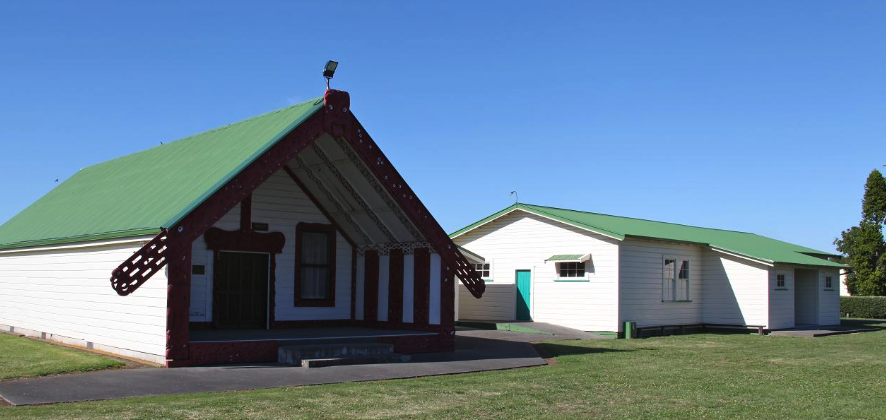
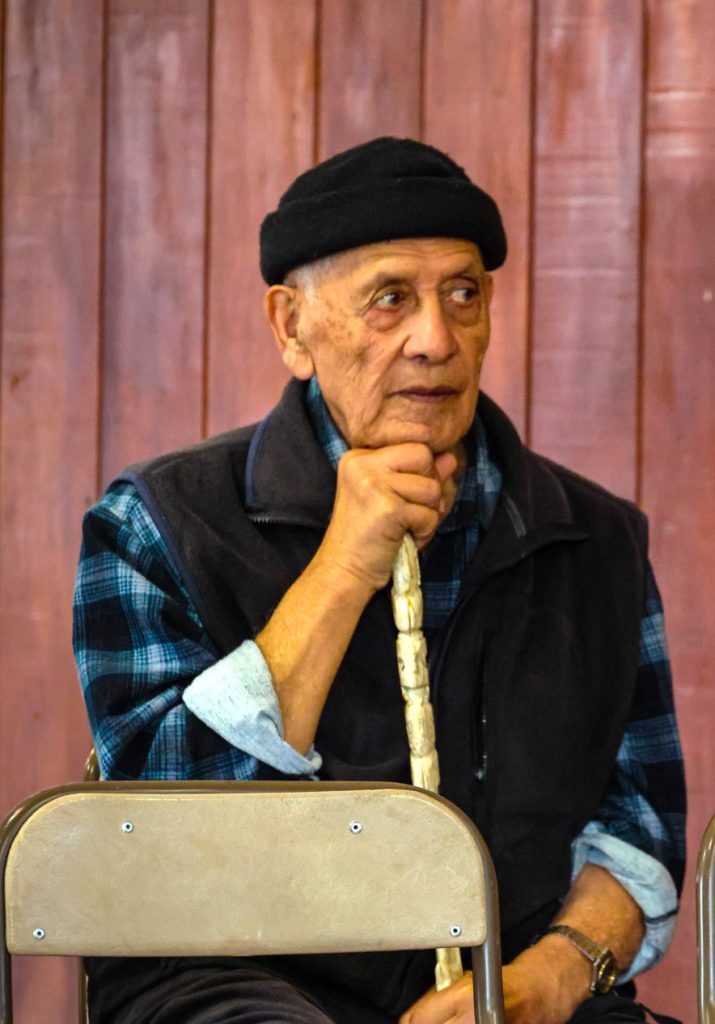
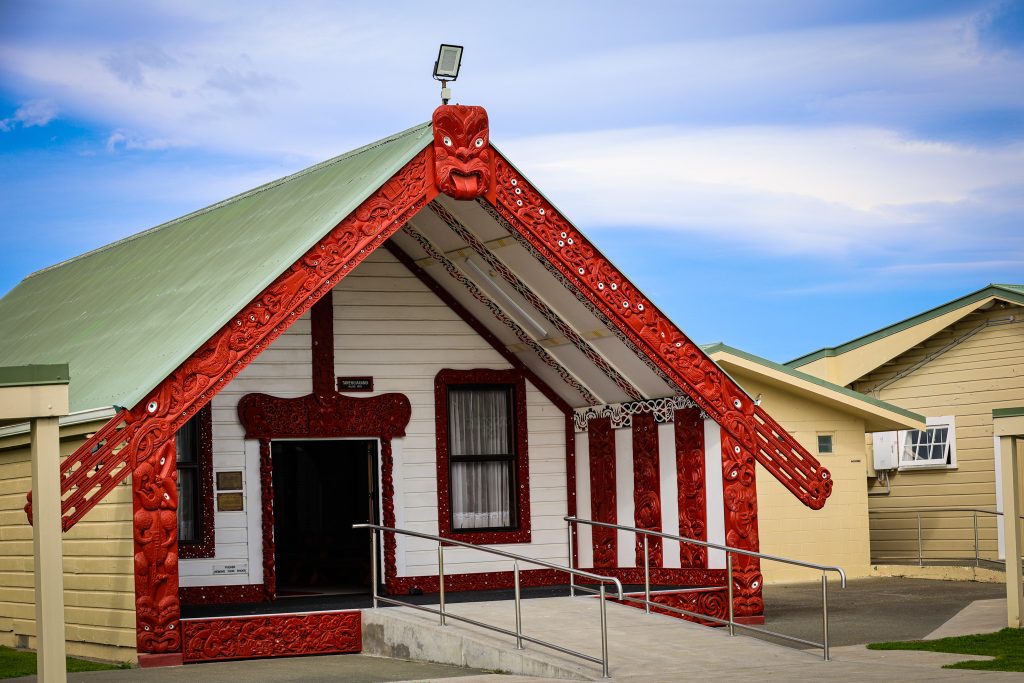
Twin Flames
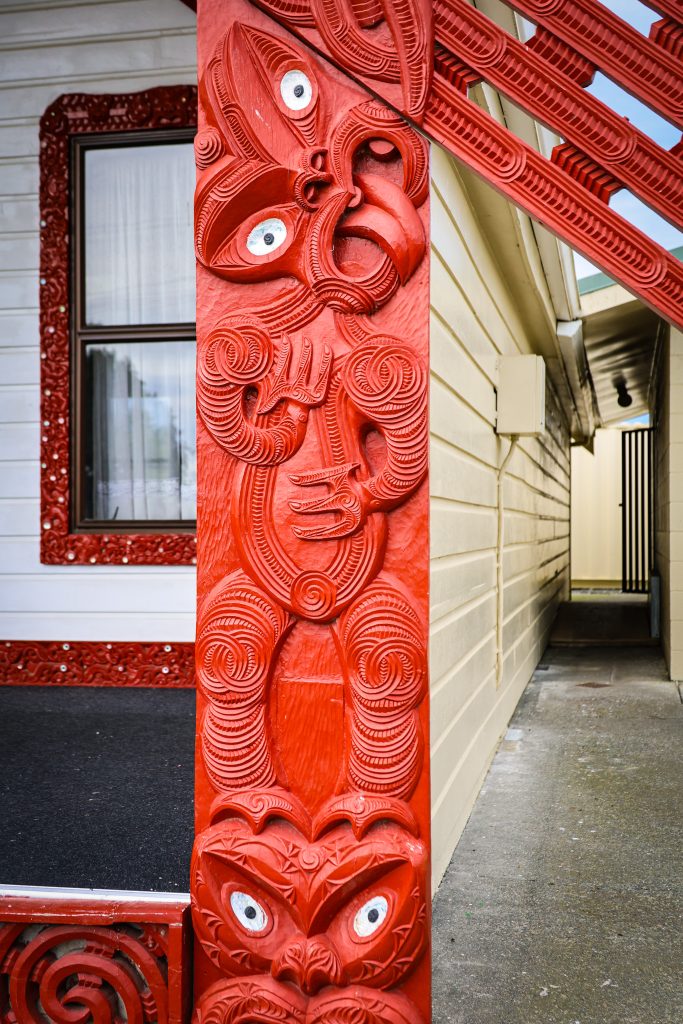
The whare nui is called Tane-nui-a-rangi. Dr Rose Pere shared with me how the twin flame of Tane was Hinekura. So often our female Atua are not recognised or even acknowledged. While looking for the name of the twin flames I found this excerpt I had written from my Masters thesis that was all about the ancient knowledge of our tupuna that Dr Pere shared with me and the motherland of the MU which sets the scene of my whakapapa to the Tuhi whanau from Marumaru who whakapapa to this marae…
‘The force in the winds of our Atua Tawhirimatea (an ancient spiritual being) chills the deepest valleys of the Urewera ranges; an untouched rocky landscape surrounded by lush vegetation and abundant wildlife. In a secret valley, the tears of the an old Tuhoe ancestress overwhelms the waterfalls of Waikaremoana, etching life changing grooves into the mauri (life force) of the ancestral kohatu (rocks). Shrouded in the glistening waters, the supernatural tipua (feminine rainbow phenomena), gently blushes with exquisite shades of colour; her promise of new beginnings to come.
It is in this sanctuary that the whakapapa of Ngāti Hinganga (the tribe of my grandmother) pulses in the veins of my Tuhoe ancestors; the descendants of the revered supernatural ancestress Hine-pu-kohu-rangi. Still today, her korowai (cloak) of mist lays out over the pristine waters cleansing the spiritual guardianess of the lake, a perfect mirror image of divine feminine beauty that cannot see where the mist begins and the water ends. Undaunted by the reflection of these divine feminine beings, Tawhirmatea whirls in ecstasy around the invisible vapour of his twin flame Hine-pu-kohu-rangi, in anticipation of an awakening. Hence, the chorus of birdsong celebrates the dawning of the sun, in sight of a new horizon.
On a crisp winters day, our whanaunga (ancestor) Tawhirimatea rustled in the trees awating the arrival of a group of Māori healers. It was over ten years ago now that we all came together from far and wide in search of wisdom from the tohuna. Unbeknown to me, the sanctuary of the Kuha pa in Tuai (Waikaremoana) would open an old looking glass into an ancient whakapapa (genealogical links of descent) held deep in the cellulary memory of my soul.
The majority of these Maori healers were a result of many generations of colonisation, awkward in the use of the mother tongue; te reo Maori (the spoken language of the Maori people). The deficit of traditional spiritual lores being the result of a Suppression Act that was enforced in 1907 to wipe out the leadership of the Tohunga (high priest) in New Zealand. The lack of spiritual mentors thereafter still does not explain the affluence amongst Māori healers in terms of the unspoken reo of nature, ‘the voices of nature.’ These mandelic sounds being an inherent inheritance from the ancestors, requiring the use of many senses to see, feel or hear the tohu (signs) to inform, validate and/or predict the existence of spiritual phenomena (Delamere, H. Personal Communications. Whitianga. 2003).
A small group of these Māori healers had gathered on the mountain to discuss the apparition of an ancient being floating on the surface of the lake. However, only the matekite (seers) could see this spiritual vision. The non-seers could not fathom the whereabouts of the log and accepted the vision was only for the chosen few, for each of us had our own respective gifts that were unique to our area of expertise. ‘Te rakau nui’ (the great grandfather tree) was an old tipua (supernatural phenomenon) whose guardianship of the lake and its natural surroundings sometimes inspired an uneasy, eerie stillness in the locals and non-locals alike (Burrows, R. Personal Communications. Frasertown. 2001). Thus, the region of the Urewera echoes the spirits of the living and the non-living; the home of the ancient ones, the realms of the tohuna; timeless in existence.
The world of the tohuna is an infinite and eternal space that knows no boundaries in time or potential and is in direct alignment with the concept of oneness with everything that exists in the universe (Pere cited in Ofsoske-Wyber, 2009). Hence, the supernatural phenomena that reside in the uppermost heavens extend right down beyond the very depths of the earth and stretch out across the great oceans to the parched deserts of the world, all living side by side in perfect harmony for thousands and thousands of years. The orchestrated symphony of bird songs, wildlife, insects, and humans is only a twinkle in the eye of the unseen divine consciousness. Yet the synchronicity of both the female and the male elements interacting with one another is but one family, and this is essentially the foundation of the tohuna.
He Whakawaatea
The opportunity to whakawaatea only arises at certain wānanga, guided by the Atua, the kaitiaki and the ancestors from the marae. The whānau who arrive on that day are not there by chance. In the physical realms, to the naked eye, the wharenui falls into a deep silence after the opening takutaku. Yet in the spiritual realms, each whānau member experiences and shares different aspects of the clearing in intricate detail, even the presence of the ancient HOKIO, the great white birds who come straight from IO.
The purepure clearing of the marae is deep and demanding mahi, not for the faint-hearted, yet it holds great importance for the well-being of future generations, ensuring they are not affected by the historical abuse that lingers. These types of clearings provide an opportunity to quiet the mind so that we may remain within the whatumanawa, the eye of the heart, allowing us to shift and release the unwanted historical energies on the marae and the surrounding land where the ngangara have begun to take hold.
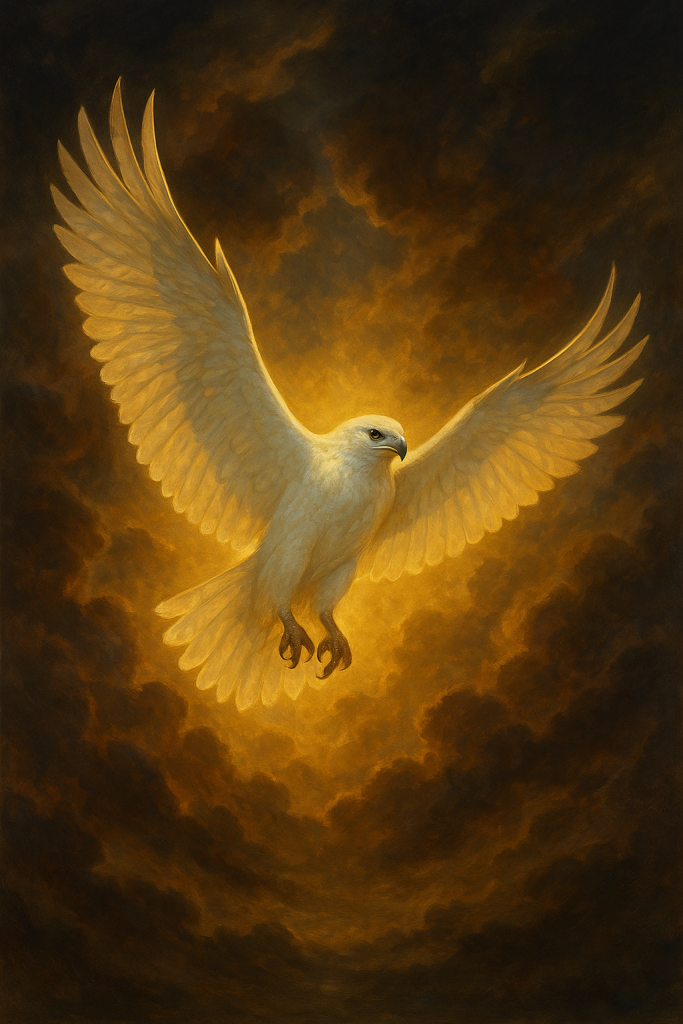
The purpose of the Hōkio is to remove the ngangara that have taken root in the land and are at the core of the hara experienced by the local whānau. The Hōkio is also known to bring forth the knowledge for the wānanga. As taught to me by Papa De La Mere, only one person will receive the knowledge for the wānanga, and the Hōkio will appear to that person prior to the gathering, preparing them to bring through the teachings for the wānanga.
As mentioned previously, there was already much hara on the marae with whanau fighting over land and access to the land. One of my relatives, a local kuia, had shared this with me over the last few months. The hui on the marae was shown on Facebook, where whanau were yelling, arguing and fighting with one another over the ownership of land that does not belong to them, access to their own land and parking outside the front of the marae.
Pōwhiri & Poroporoāke Experience
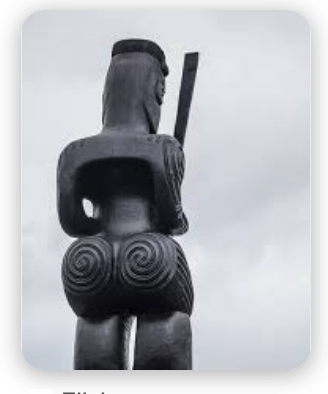
On our arrival at the marae, it was difficult to understand why there were signs placed all along the front and sides of the marae, preventing whānau from parking there. It had never been like this in previous years. Apparently, only the kitchen staff were permitted to park on the road beside the wharekai, while those of us bringing in food and other items had to unload by the door, and as a result, we received a telling-off from the koroua. This was a clear example of the unrest and confusion present, and it was disheartening to witness the chaos and raruraru being created by the locals. To me, it was a sign that something spiritual within the marae environment needed to be shifted.
Unfortunately, on the paepae with the manuhiri waiting, the koroua on the hau kāinga side with me, threatened that there would be no pōwhiri if I did not karanga on the concrete instead of on our earth mother, Papatūānuku. Although this was difficult for me, I had to concede rather than argue back, as I knew this would embarrass him in front of everybody else. After the pōwhiri, when all the whānau had gone inside, I explained how I had been taught to karanga by the late Dr Rose Pere, where I would link into the energies of Papatūānuku through my bare feet. I also explained that his behaviour, like that of many others on our local marae, is why so many of our whānau are choosing not to come onto the marae and are instead choosing to have their tūpāpaku at home. As I was talking to the koroua, he was saying, “Yeah, Yeah, Yeah,” which, although I felt was condescending but I could see that my words had still resonated, as I spoke calmly and with respect. Sometimes we must remember that some of our elders may be unwell, and as the next generation, we must try to be patient, as we too can be difficult for them to understand at times.
Evaluations of the Powhiri & Poroporoake Experience
I found this at the start very nervous and very out of my comfort zone. But once we started it was beautiful and I just embraced it. It felt very real with no one talking it made it so powerful. I loved it and I was proud of myself for just letting go and just go with it.
I thought it went well aside from the mana Whenua who was very rude and grumpy. I am learning how to view these moments and enjoy the learning outcomes without being offended or upset.
It was quite different to be told by a kaumātua to finish at the paepae and then for them not to return, but I found it impressive how Whaea Charlotte immediately stepped up to lead and adapt our tikanga to bring us to closure. It was beautiful to see our whānau naturally fall into their roles and respond with calmness and unity. It reminded me how adaptable we need to be, and how beautifully whaea Charlotte role models that ability to think and act quickly while maintaining tikanga and integrity.
The powhiri was very interesting at the start when, Charlotte was about to karanga, Bevin had quested with a sharp tone accompanied with body language to match, for Charlotte to move off the grass onto the concrete! I was very impressed with Charoltte’s humbleness to comply with this quester, and address the issue in a humble manner off the scene, (in private).
The poroporoake was a new experience for me doing this on the paipai, I found it very formal and less personal than when it is done in a more relaxed sharing one on one scene, in saying that It was an awesome opportunity to experience it this way.
This for me was pretty awesome, our kaumauta come early, then did not return, but we done it on our own.
I loved the way Charlotte led this with honour and integrity, holding the energy with grace even when challenged. By the end of the wānanga, I felt that energy had shifted into more harmony, which was beautiful to witness.
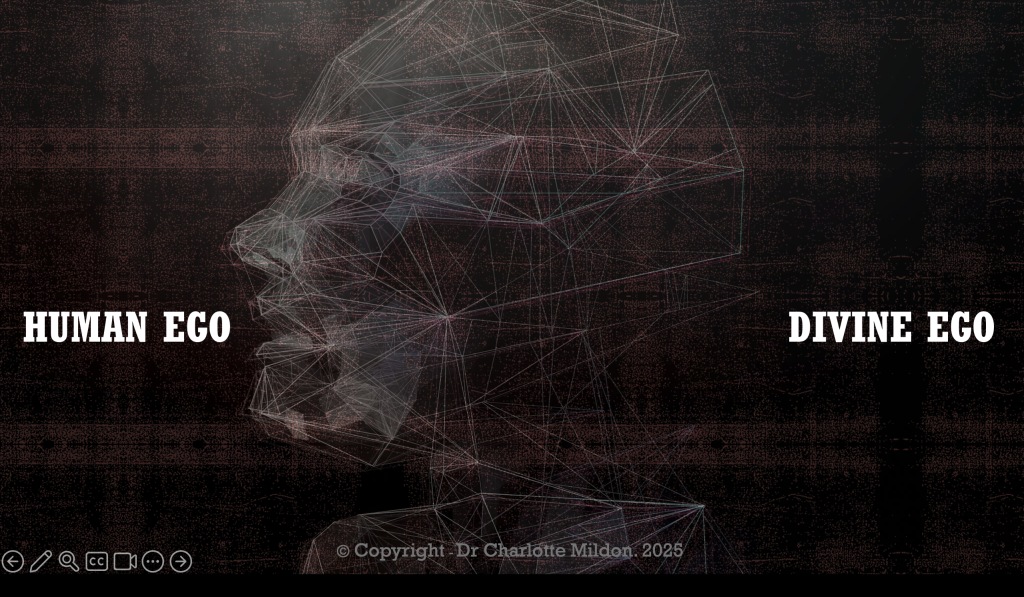
We must always remember when we are on the paepae or practising traditional Māori healing that we must stay out of human ego and stay in divine ego. When someone is behaving inappropriately, we must remain in a place of neutrality as this is the tikanga of the whatumanawa. If we do not adhere, then we can potentially get taken out.
As taught by my kuia from Wairoa and the late Dr Rose Pere, the karanga is to be performed barefoot directly on Papatūānuku so that her energies can flow up the legs of the kaikaranga, through her body, and out of her mouth. It was inappropriate for the koroua to yell at the kaikaranga and threaten not to do the whaikōrero if she did not comply. The kuia and koroua should work together on the marae, synchronising in their roles, but ultimately it is the kuia who leads the way, not the koroua. In some places, the kuia may refuse to sing for the koroua, and while this can be very political, I have seen it happen in Nūhaka when koroua have been arrogant which comes with consequences. In order to work side by side, there must be consensual respect fo the male and female roles but then it makes a huge difference whether or not, we are in human ego or divine ego!
The whaikōrero who are fluent in Māoritanga and mātauranga tawhito are able to quote and link the whakapapa of the manuhiri to that of the hau kāinga. This whakapapa often extends beyond the human realms, reaching into the genealogical lines of the Atua, but only masters in whakapapa and whaikōrero can do this.
Dr Charlotte Mildon
Rongoā, Spices, Kai Pai and Health Supplements Evaluations
“This was wonderful, there’s so much on the market, so it was refreshing to learn from Charlotte’s lived experience and hear real success stories. Her passion and practical knowledge made it easy to absorb and apply.
I absolutely love and live by the principle he kai he rongoā, they are not separate. This is what makes Whaea Charlotte stand out from others; she embodies and teaches this integration so naturally. I love that she empowers us to become self-reliant and confident in our own healing, to make our own tinctures, use rākau to romi ourselves, and trust our own intuition. Her approach continually reminds me that we are the masters of our own wellness once we apply and embody this mātauranga.
I’m learning that using herbs, spices, Kai rongoā and supplements is a continuous learning journey, whaea Charlotte’s lived experiences through healing disease in these ways shows it is possible to heal with out the use of western medicines. I have been on the detox waka and fallen off a couple times it takes discipline to make this life style change to stay well. I have experienced the huge benefits of living this type of lifestyle especially in my tinana but also with teaching the tamariki about the kai we put into our bodies and how it affects us. I have become more aware and read the ingredients on the Kai when shopping now.
Such a high quality of content that tastes delicious.
Nourishing kai is a passion of mine. It has been a huge journey in my fertility. And asthma, which was influenced by vaccinations , when young. So I was so pleased to know we would be partaking of high vibrating kai. I could taste the aroha that was intentionally infused in(mihi nui Charlotte and everyone). It was highlighted how the Mauri of kai is rongoa. I loved that we focused on kai to heal.
I’ve learnt that it’s live within the 30 minutes of preparing the rongoa so I’ve been able to take away a lot of precious points. I have taken away with me the understanding of parasites and effects on our mind and body function so I am on this cleanse and look forward to the end result.
I enjoyed the session about Juicing. I am now Juicing every weekend (with my trusty blender). I will start a cleanse in a few weeks time. Right now I am detoxing bowel and liver and drinking plenty of water.
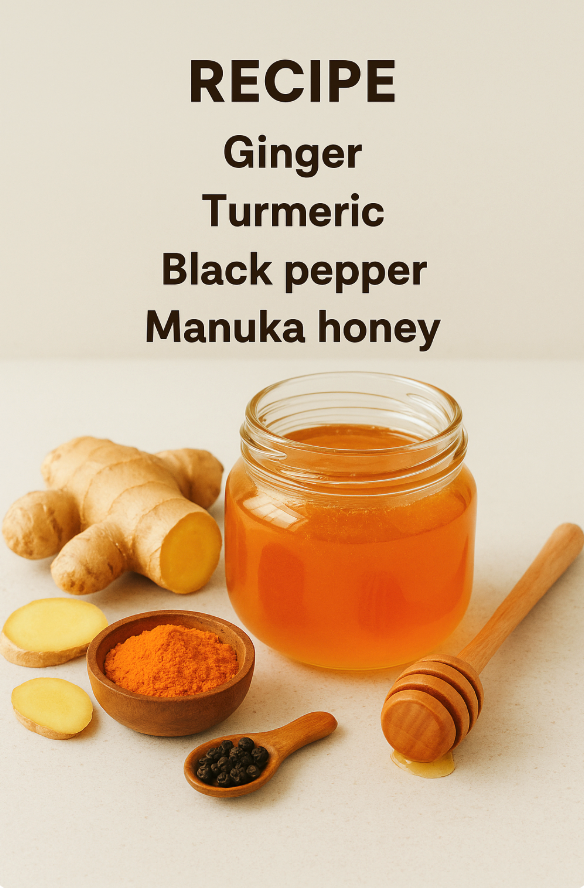
I learned so much about what different spices do like chilli’s and turmeric and beetroot how good it is for us. And also about the pepper with turmeric so it holds in the body. I never knew that.
The kai is always on point at wā, beautiful, healthy, nutritious meals made with aroha are so fulfilling. There is so much variety and I always look forward to trying new Kai.
I loved the offerings and could feel the aroha that went into preparing them. I have a strict nutritional regime, so I didn’t eat much, but I was genuinely impressed by the variety, thought, and energy behind the kai. It was beautiful to see everyone working together so naturally, with Dr. Charlotte’s lead, true teamwork and aroha in action.
The kai was delicious as always, and I really appreciated the healthy options, especially the soup, which was my favourite. I always enjoy the sense of whanaungatanga that happens in the kitchen, and I also value the opportunity to learn how to cook for larger groups. It’s a space where connection, laughter, and learning naturally come together.
I really enjoy learning about spices and foods, and Charlotte’s enthusiasm and passion are truly infectious. I love building my confidence in using rongoā, more in my everyday life. With that confidence comes a deeper sense of identity and connection to our culture, as well as a stronger belief in our right to positive health and wellbeing outcomes.
Telegram Messenger Support Group Evaluations
“I sometimes struggle to engage regularly on the pages, but I find them incredibly valuable and supportive when I do. They help keep me on track and connected. I really appreciate the open, welcoming space for sharing and engaging with others—it’s a place that encourages learning and connection in a meaningful way.
The chat groups are a great support especially when you learn that others are experiencing some of what I am we are able to navigate together rather than be on our own haerenga alone. I’m yet to try juicing but from what I’ve seen and learned it can be very beneficial. I’ve had a go at making kombucha a couple of times I keep forgetting about it but successfully made once which my tamariki drunk most of.
The support groups are so helpful. For me, I’m a hands on learner, but the visuals just as good, we can watch them over and over also can pause when needed. Telegram just makes it all so much easier to communicate in the specific group when needed. Eg: komboucha, , Detoxing, Meal Ideas. We can ask each other advice or questions.
Excellent having the different groups to be able to check in and keep track of what everyone has taken away from wa and how they are implementing it in their lives. Great learning.
These spaces are such a blessing. They create a safe, supportive environment where we can reflect, share experiences, and keep ideas flowing.
Detoxing brings a lot of awareness. I’ve realised how much of my upbringing and conditioning around kai is the opposite of true nourishment.
As a working (single) mother and student, it can be frustrating because healthy, aligned food options are limited, and people often don’t understand why I eat this way. I’ve even noticed criticism from others, which shows how emotional people’s connection to food really is.
I still have moments where I “relapse”, especially when I’m emotionally or mentally drained but I’ve built tools to reset. I keep my supplements in the kapata and usually do a weekend reset. We’ve been taking kawakawa as wairākau and bathing in it, especially as influenza B has been in our home. It’s grounding and cleansing, and it connects us back to taiao.
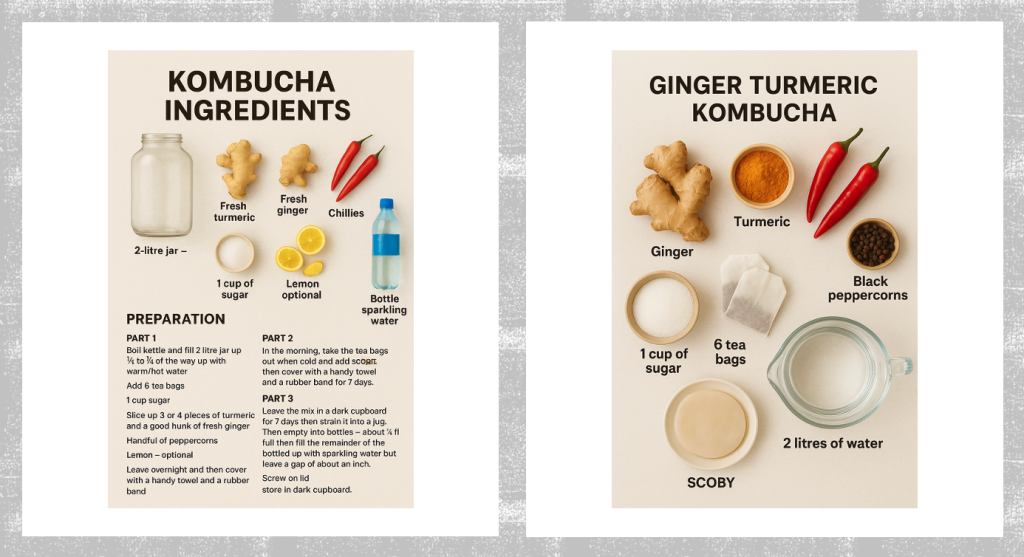
The telegram messenger pages given by Charlotte are an awesome source of information, very detailed, and easy to follow. I find this information very vital to making the Kombucha myself with confidence, as it is all covered very well, with instructions and tips that is fool proof.
Having the information on parasite cleansing is awesome, easy to understand all the hard work has been done, very grateful for that, I have a great understanding of the cleansing process, the steps that need to be taken for a healthy outcome, the what to expect is awesome, the ability to communicate over telegram about side affects or anything that may arise is very reassuring that you have feedback about anything.
The information shared on telegram pages is a source of information I can reflect back on, when needed.
I have and do use this very often with sourcing our waiata and juicing information to make sure I have the correct ingredient and instructions on what and hoe I am doing each task.
I find it an awesome way to interact with the roopu about sharing my experiences and receiving others’ stories and experiences about their recipe’s and things they have added and how they found the process, It’s such a great learning tool to have.
Support is awesome for me keeps me motivated to see the rest of the group looking after there hauora and sharing what works for them and there whānau. I’m learning so much just off the group”.
Jennifer Takuta-Moses – Tohunga Rongoā
Evaluations of Rongoā Māori
“Jennifer’s facilitation carried such deep reverence, her kōrero about tikanga and holding respect for whānau and tupapaku was powerful. The story she shared about being misunderstood and then receiving that aroha back was incredibly healing. It reminded me how much collective mamae still needs rongoā within our people.
Jennifer was absolutely valuable, the old ways of cleaning your body out when you get older, ready for your final days, was a way of preparing your body, with the natural spices available was so interesting, who our people were able to self-preserve the body. (like todays embalming process).
The knowledge she shared was next level. Her content was very relevant and knowledge I will share with my whanau.
Jennifer’s kōrero was very interesting and provided valuable insight into how rongoā connects to the care and manaaki of the tūpāpaku. It encouraged me to think about how our practices of healing the living are deeply linked with how we honour and transition the dead, both acts of deep aroha and restoration.
I was intrigued with a korero around, how our old people would prepare themselves with the time comes.
Ka ara, Ki aia, and Jennifer’s video share about Tuhoe. And the gifting of taonga to her pāpā’s marae.
Thoroughly enjoyed Jennifers korero tawhito from Te whare maire – ki a ara ki a ia, nga korero mo Io me te Mirimiri I te whanau pepi.
She showed a heart of generosity with all her rongoā taonga she gave us. Her video on her whenua, pāpā and te taiao was all relevant for how they repaired a mamae point of time. Her vulnerability and grace showed so much mana.
I think it was relevant I found it so interesting to learn about how our ancestors would go through the process of self embalming using different rākau this seems like a much better way to self embalm naturally than how embalming is done today”.
Bearing in mind that the teachings of Te Ōomai Reia are focused on restoring balance with the acknowledgement of the female Atua who have remained invisible even today within contemporary mātauranga Māori. This is similar to the notion of being bicultural, where tangata whenua view it as bringing Māori culture to the forefront while Pākehā often see it as a gesture of including both cultures. However, in Aotearoa, the dominant culture remains English, and from a Māori worldview, our culture is frequently misunderstood, misinterpreted, and treated as insignificant. Likewise, Christianity, the dominant religion has long trampled on the mana of our people and our spirituality since the arrival of the missionaries in the 1800s. As a result, acknowledging tūturu karakia Māori, Māoritanga, Tohunatanga, and Tohungatanga in our wānanga is unapologetically Māori. Affirming our deep spiritual connection to the divine ancestors is inclusive of both genders, the divine feminine who have long been identified as taniwha, tipua, and Atua.
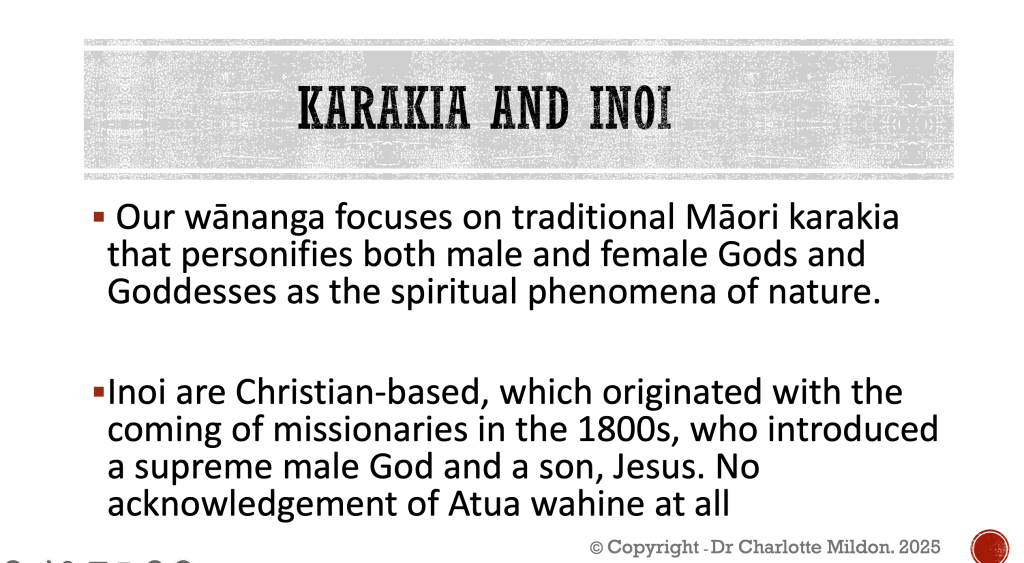
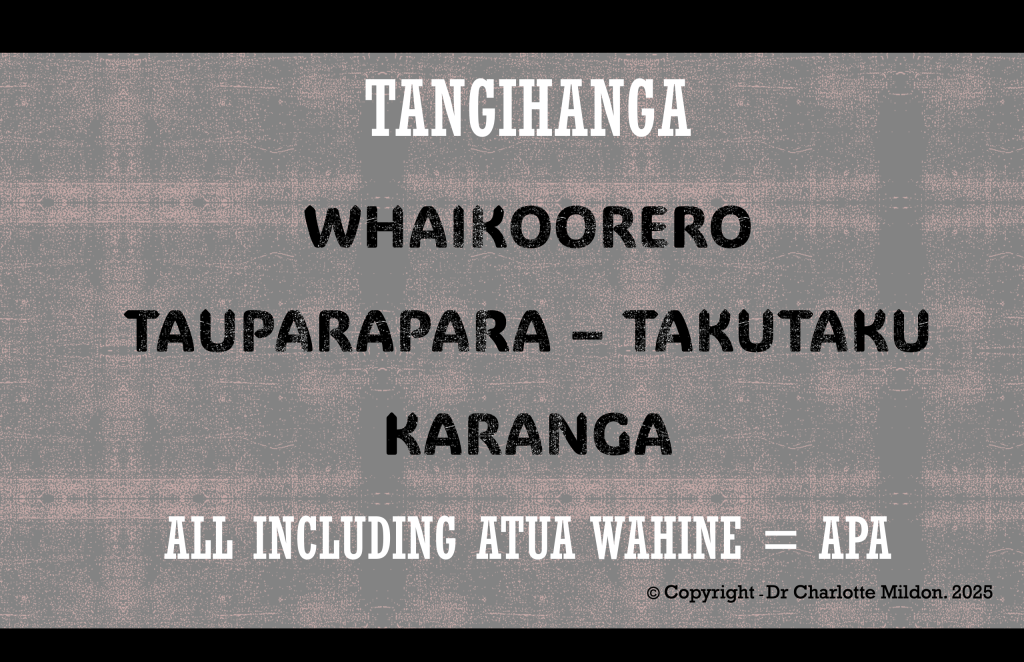
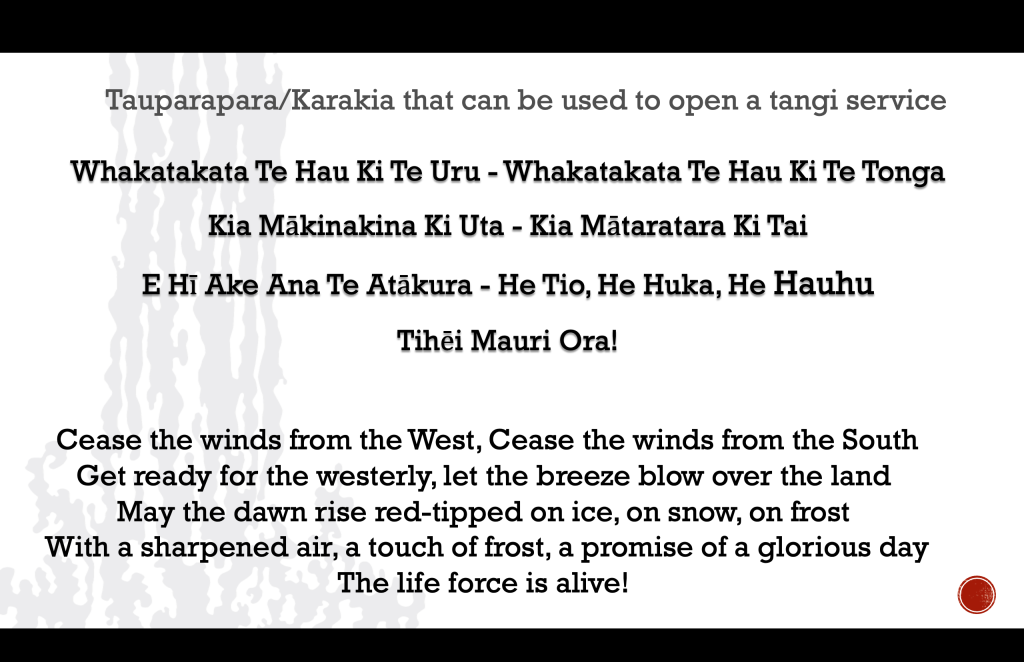
This is an ancient tauparapara used in tangihanga and whaikorero today, and it reflects the Maori worldview of nature rather than a Christian worldview of a supreme male God.
I composed this tauparapara as an example for karanga, karakia, and whaikōrero, inclusive of our female Atua, as shown in the translation below.
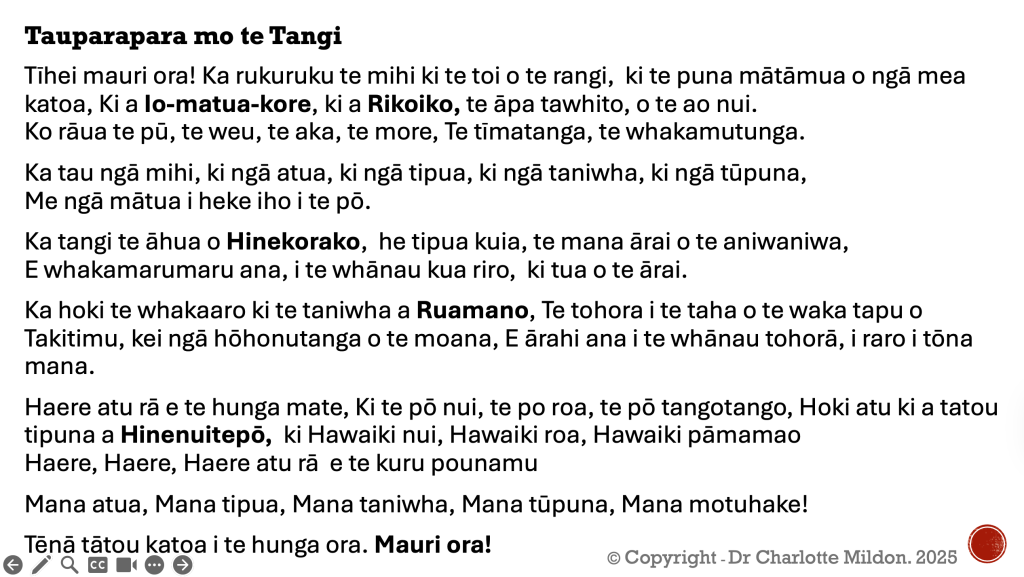
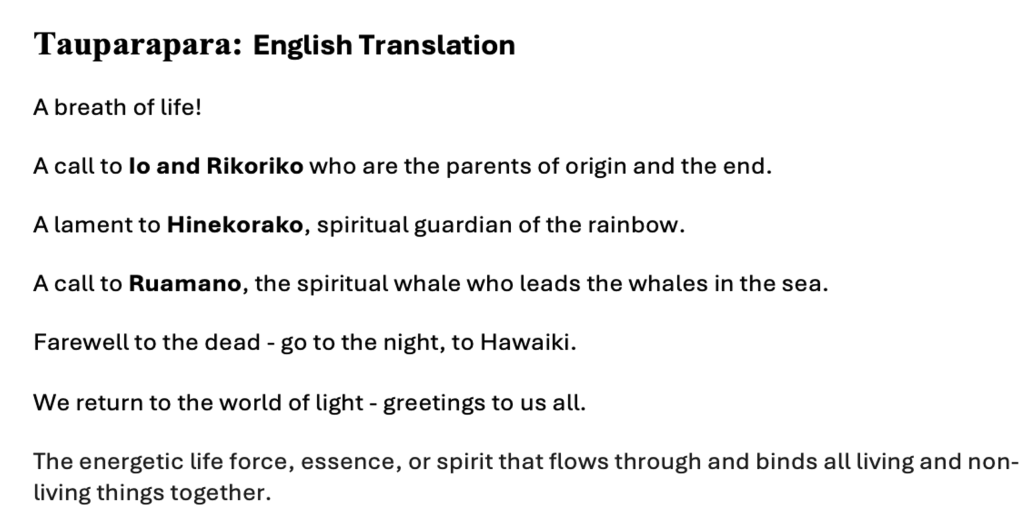
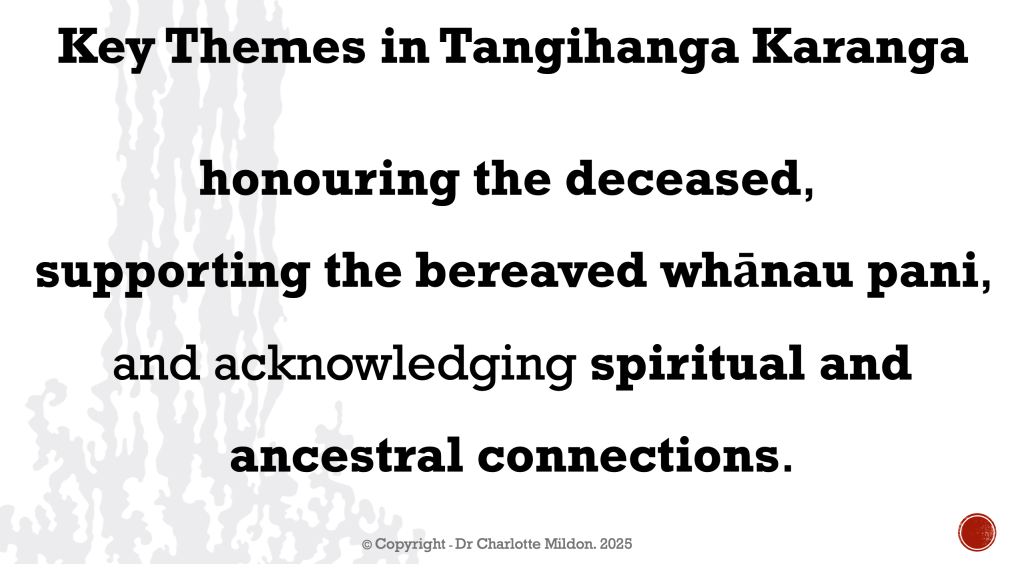
Tangihanga Karanga
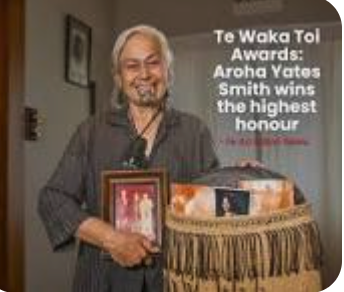
Aroha Yates Smith completed her doctoral research on the Atua Wāhine in 1998, the first of its kind. Some years ago, she explained to me how one of the koroua from Te Reinga refused to let her interview him about the ancestress Hinekorako, known to the locals as the rainbow tipua. He was concerned that these stories might be misconstrued within academia and did not want that to happen to our mātauranga. He believed that this body of knowledge should remain intact and be shared only through oral traditions not published in academic texts where Pākehā might distort, sensationalise, or create fictionalised accounts for profit that are defamatory and untrue.
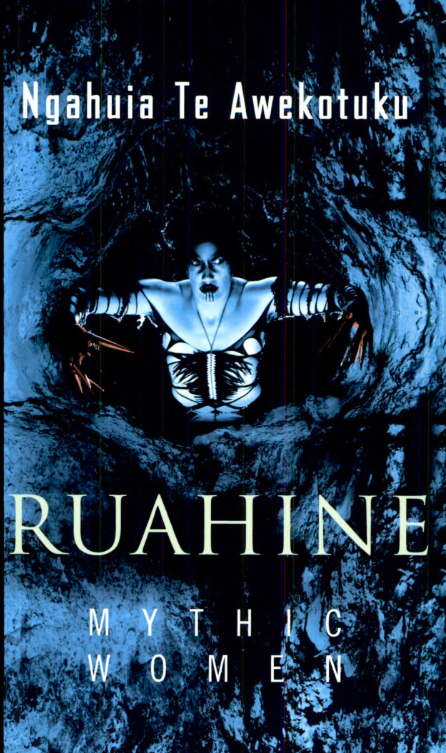
A classic example of this is where Dr Ngahuia Te Awekotuku, a Māori academic, wrote this fictional book Ruahine – Mythical Women. In the first place, calling them ‘mythical women‘ in the start is not at all Maori. One of the chapters was about Haumapuhia whom Dr Pere told me to stop telling people about the taniwha Haumapuhia who lives in Lake Waikaremoana otherwise known as Waikaukau. Both Rose and I were very sad that Dr Awekotuku made up a story about Haumapuhia where she had been beaten and raped by her father and became pregnant to him. It goes on to describe how she went outside and dug a hole for her baby to be born after which she covered it over with dirt. The story goes how her father then came out and beat her again but this time held her head under the water until she drowned which Awakotuku said was the beginning of the taniwha Haumaphia. This story was not just fiction, it was ugly and untrue! This was what the koroua from Te Reinga was frightened about and there is nothing you can do once it is published. Even Rose’s grandchildren are retelling that story thinking that it is a true story. The way I was introduced to Haumapuhia was with Rose who asked me to pull over in the car when I was scared of the road to Tuai (tuhoe) that was quite dangerous. She told me to close my eyes then asked me what colour I could see. When I told her I could see a light blue colour, she said ‘SEE …. I told you she loved you’
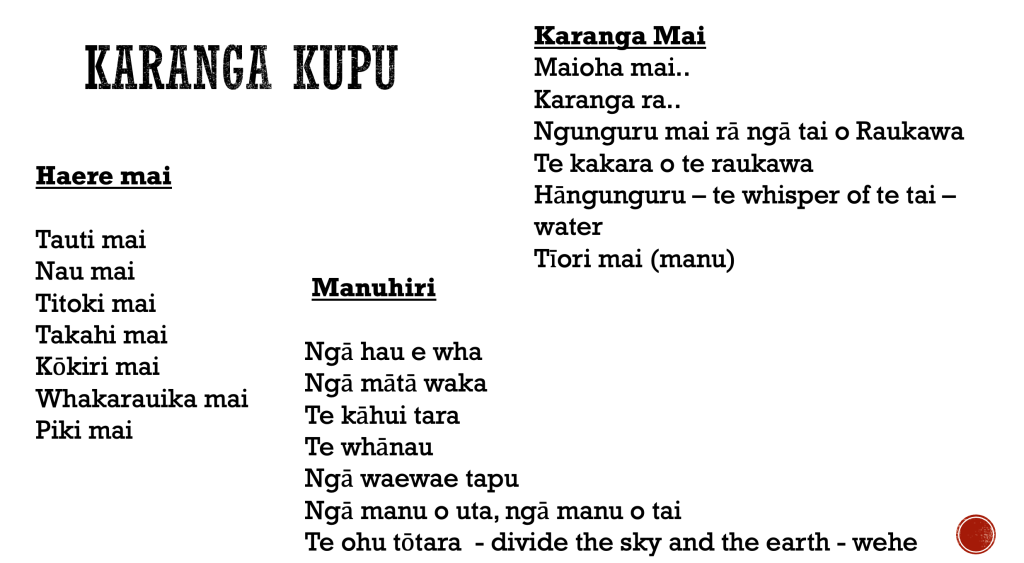
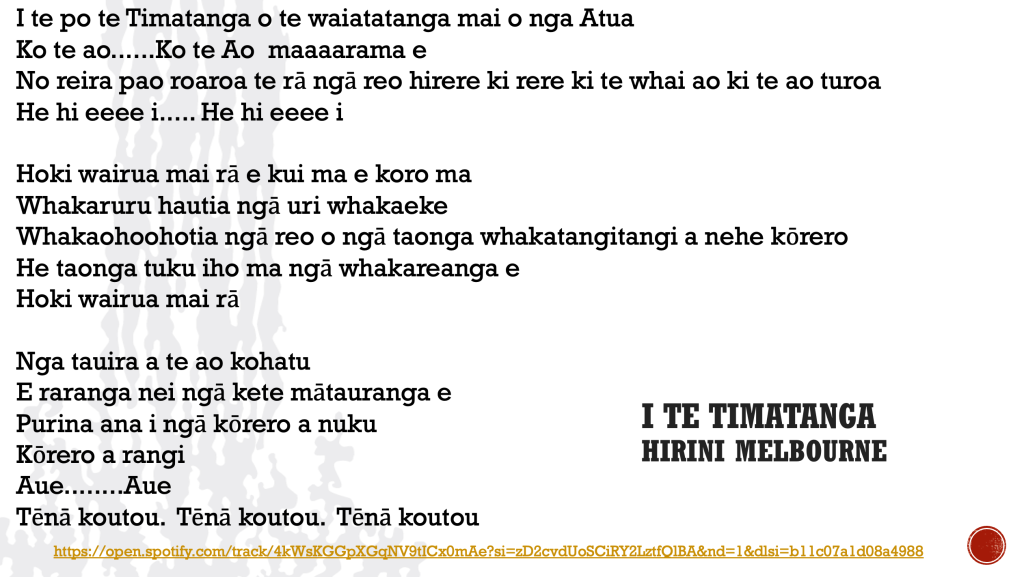
These are kupu and phrases that can help you when you are writing your own karanga for tangihanga that were given to me whilst studying at Te Wānanga o Raukawa.
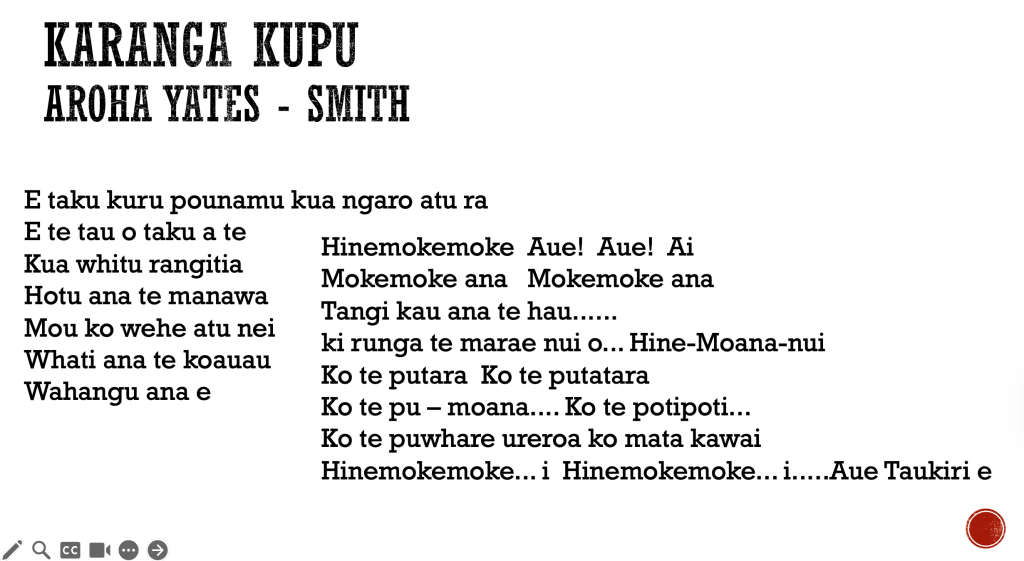
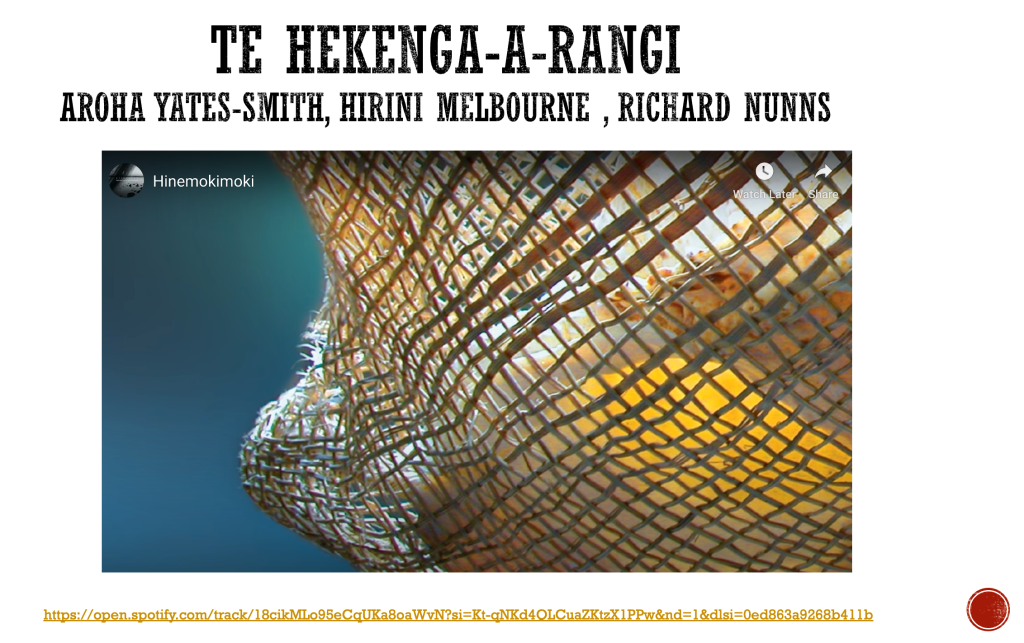
The recording of the karanga performed by Aroha Yates Smith can be heard on the following album online and on Spotify on this link below and the kupu are above.
I te timatanga is performed by the late Hirini Melbourne. It is deeply spiritual and as a tangihanga kaupapa please remember that it is very tapu. Please be specific with respecting the lores of tapu with this oral literature that our ancestors have passed down for us.
Tangihanga Powhiri Mime
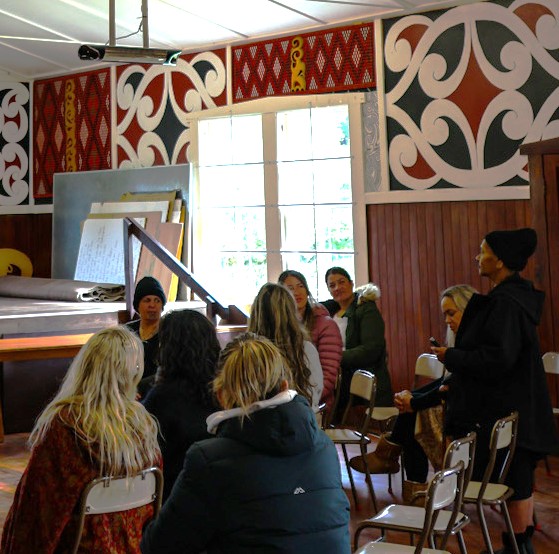
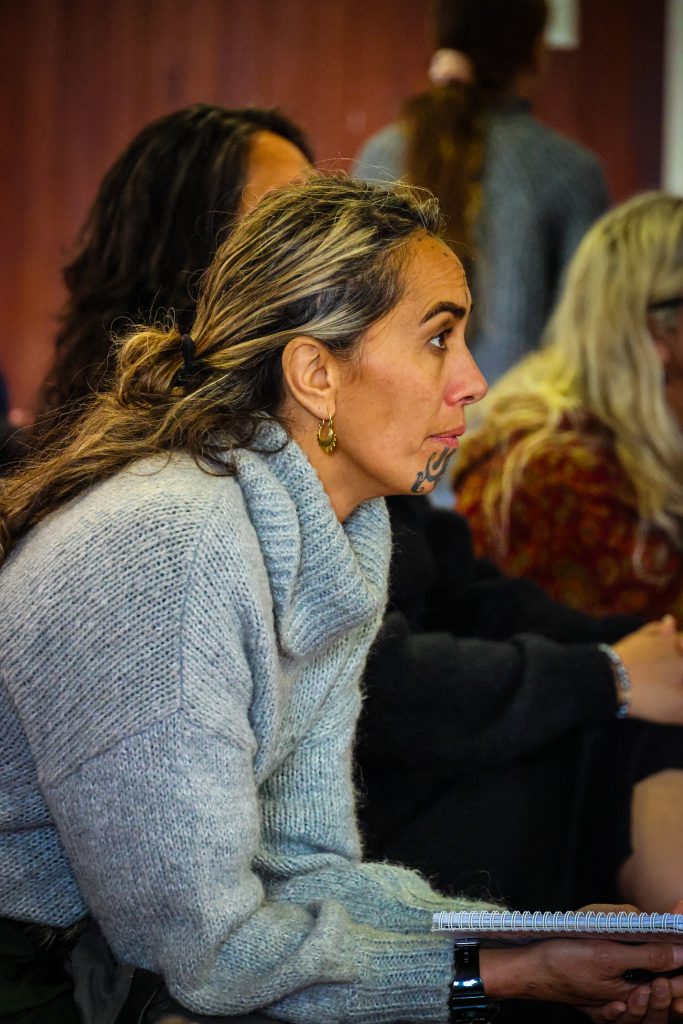
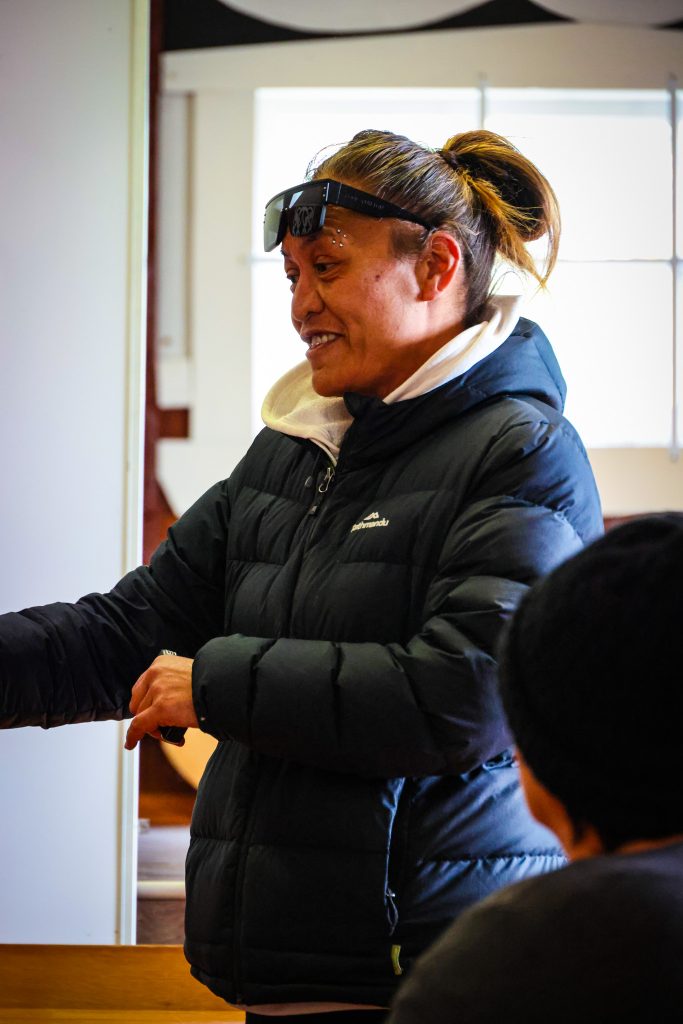
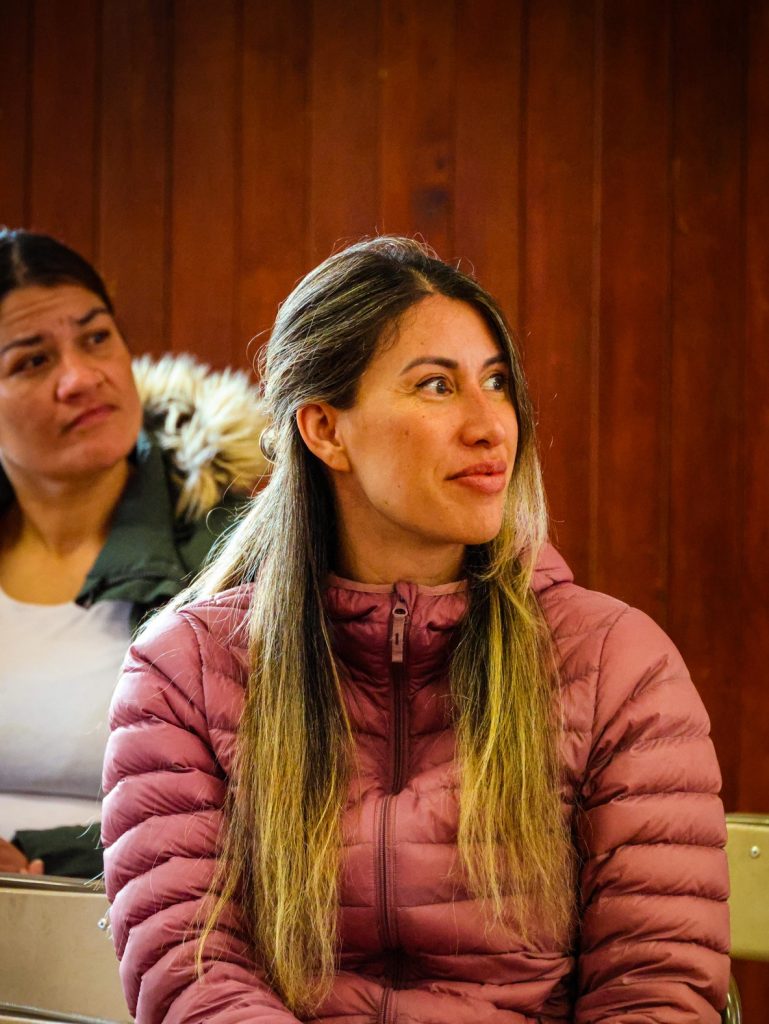
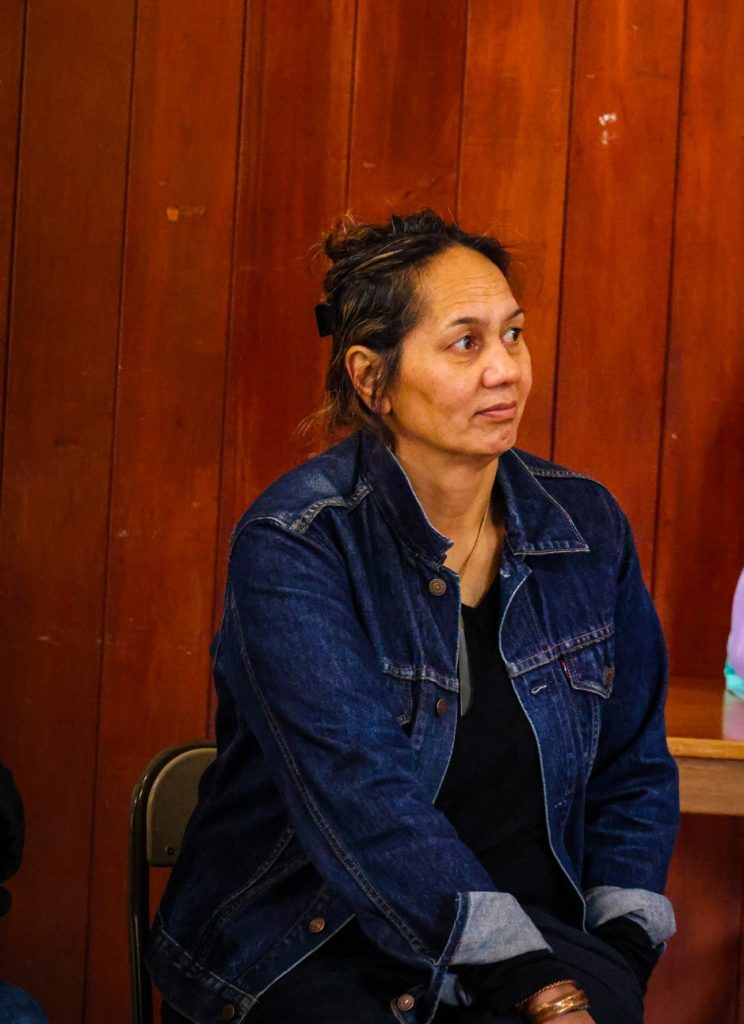
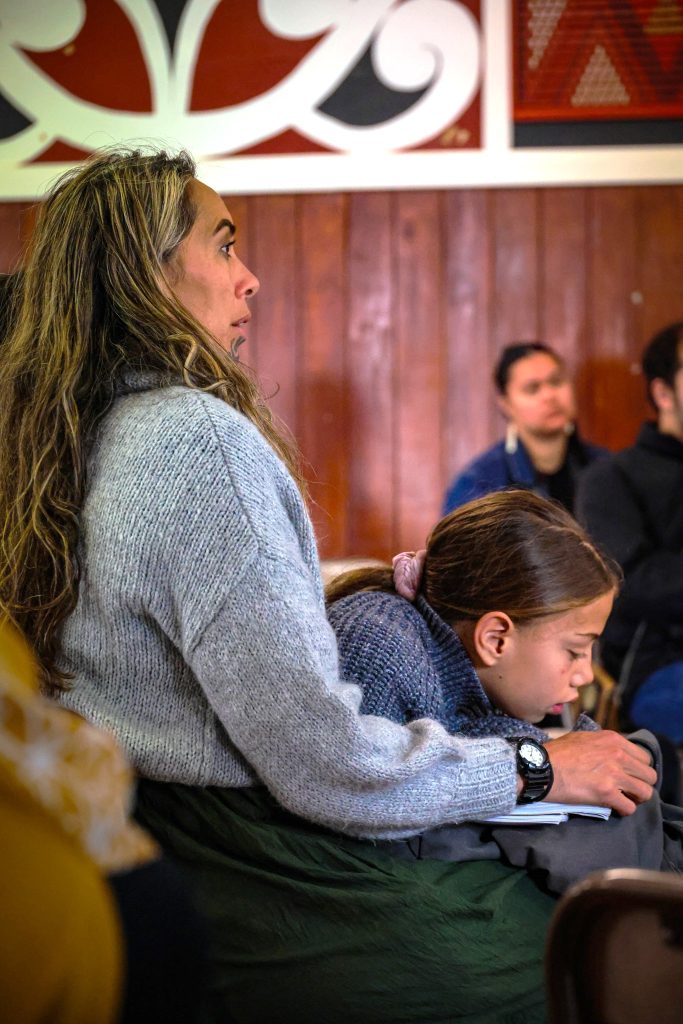
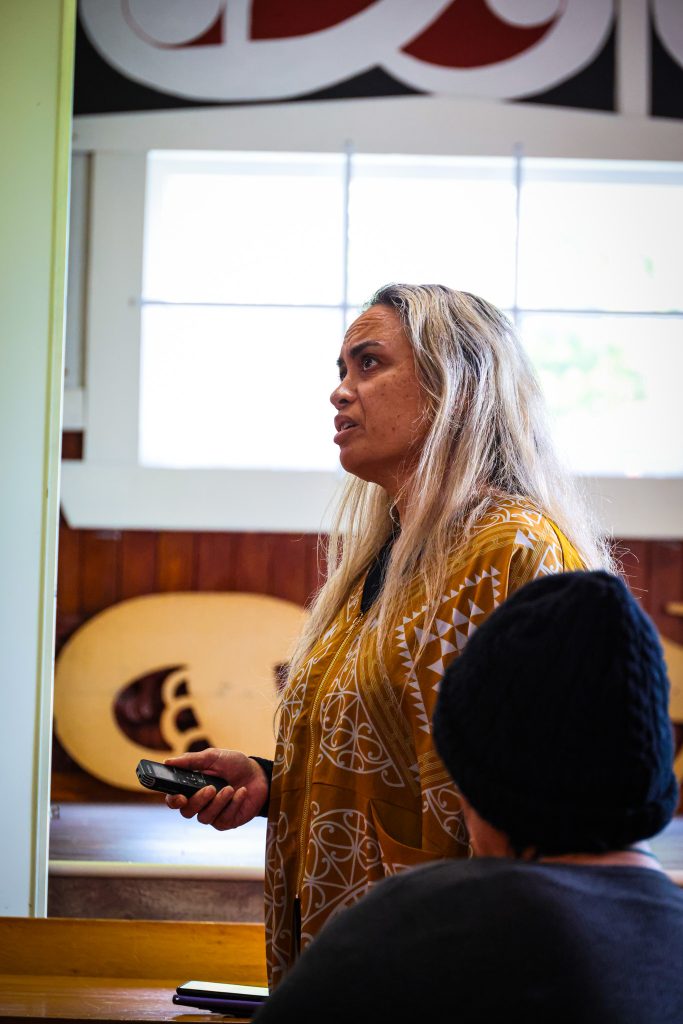
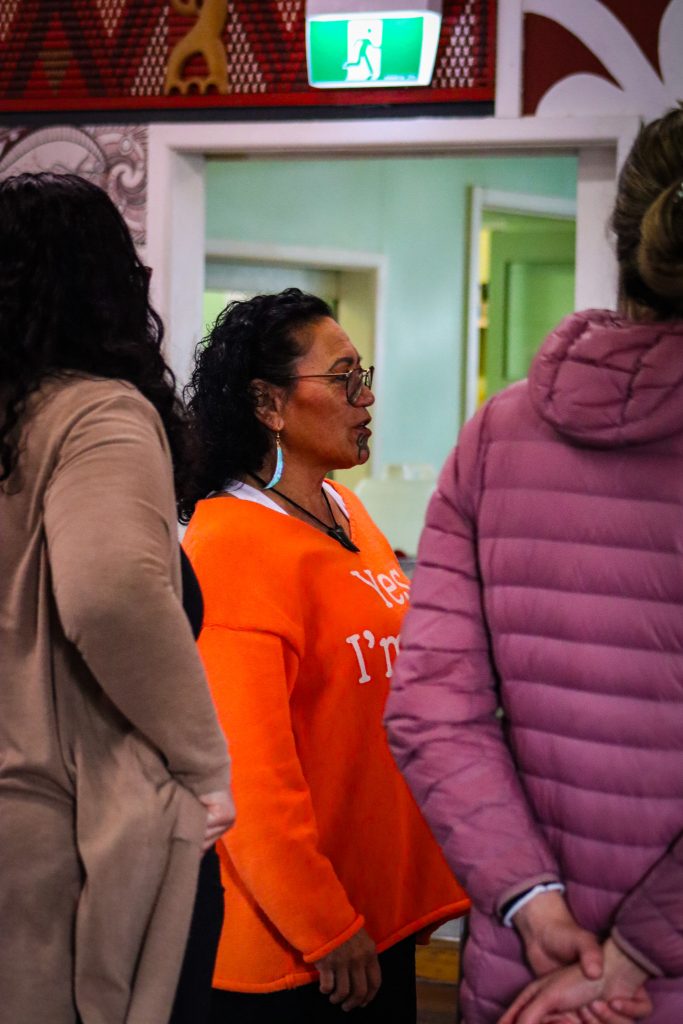
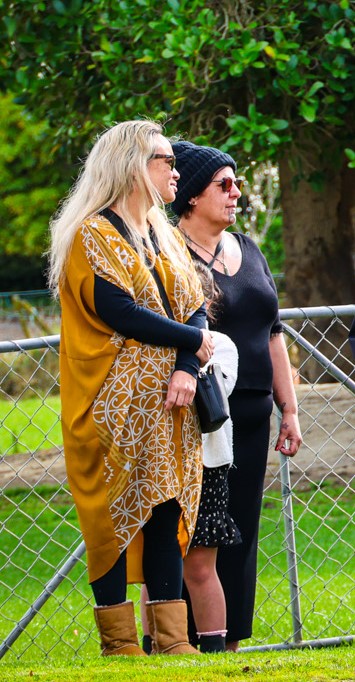
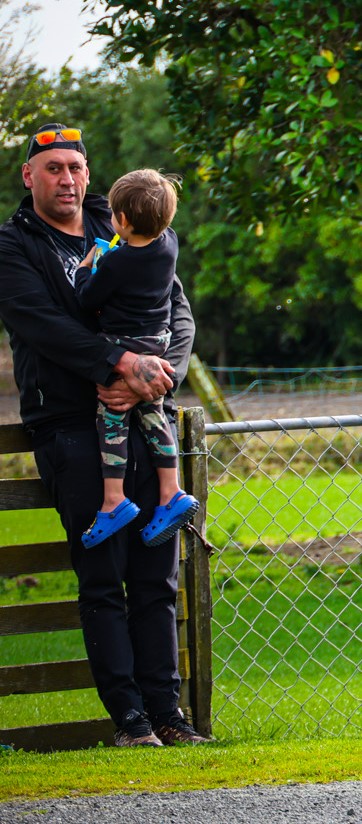
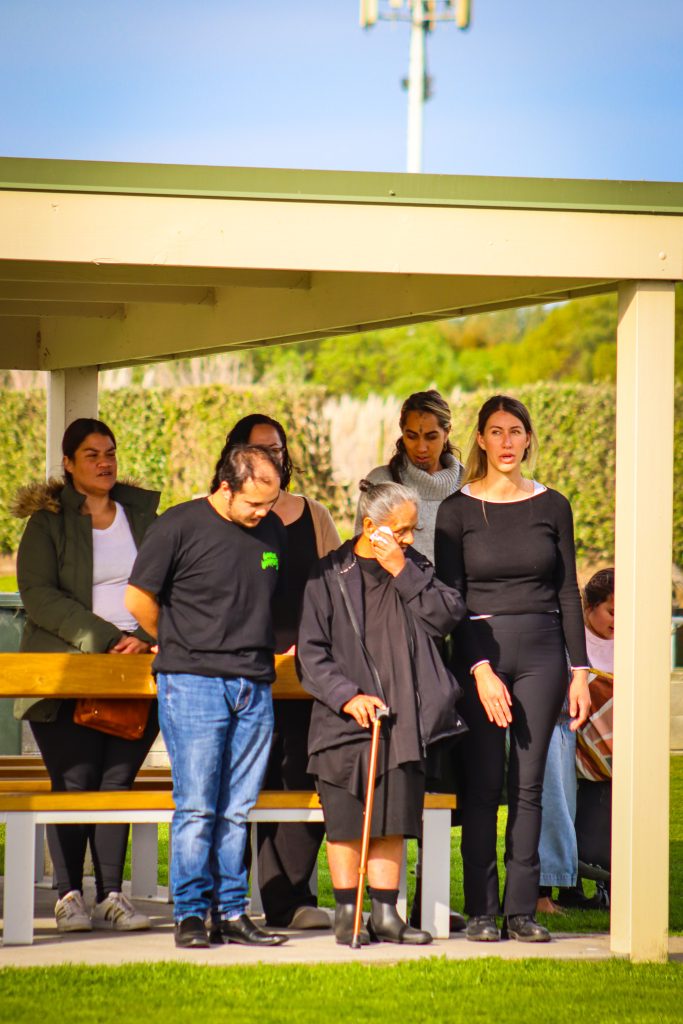
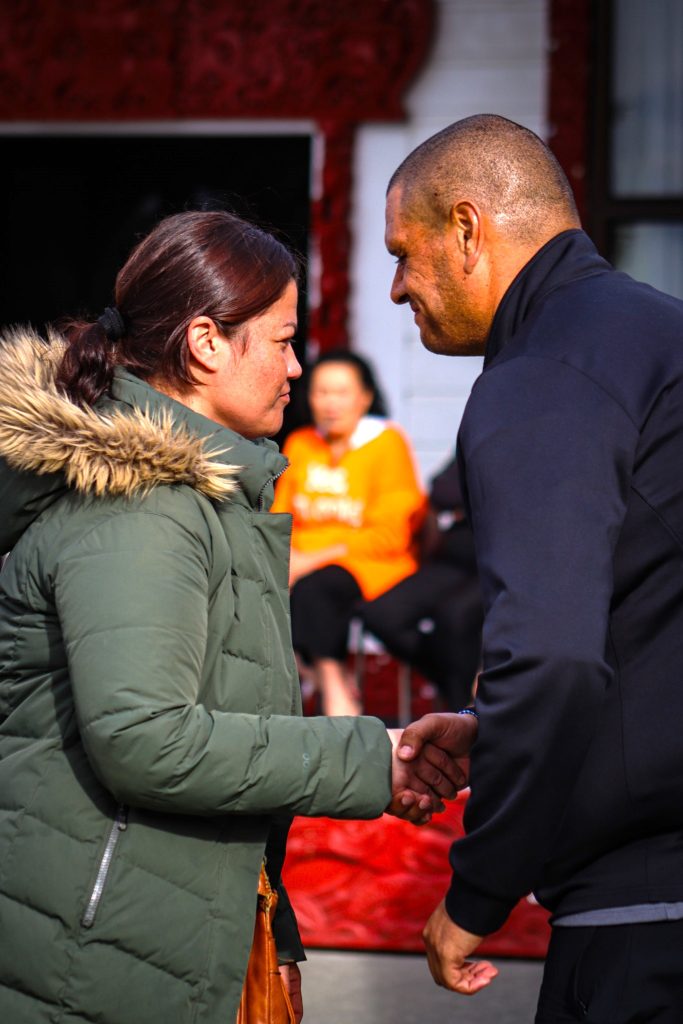
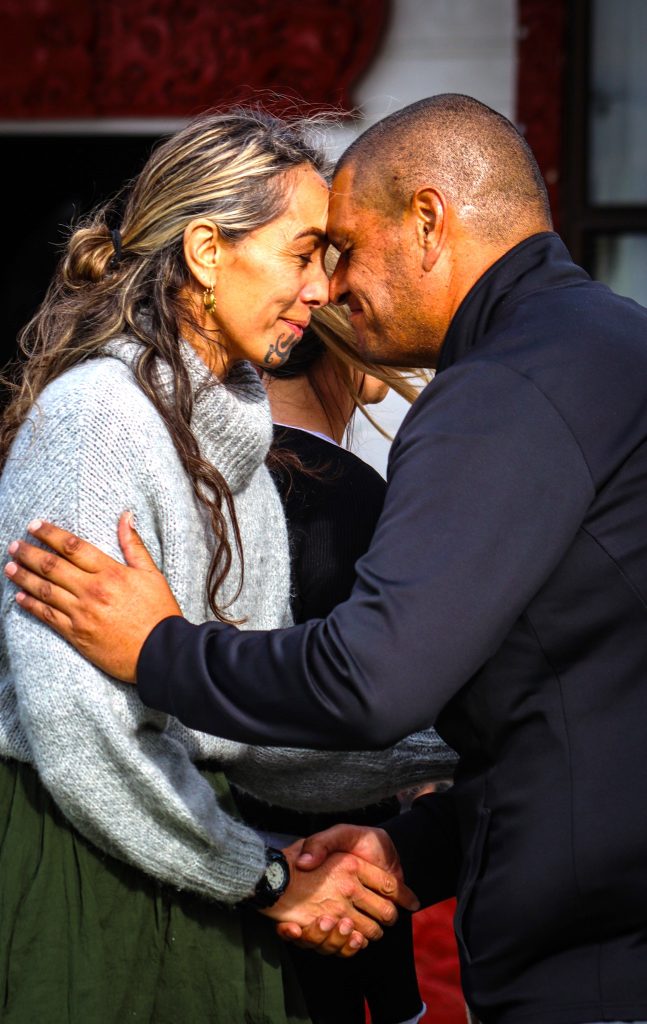
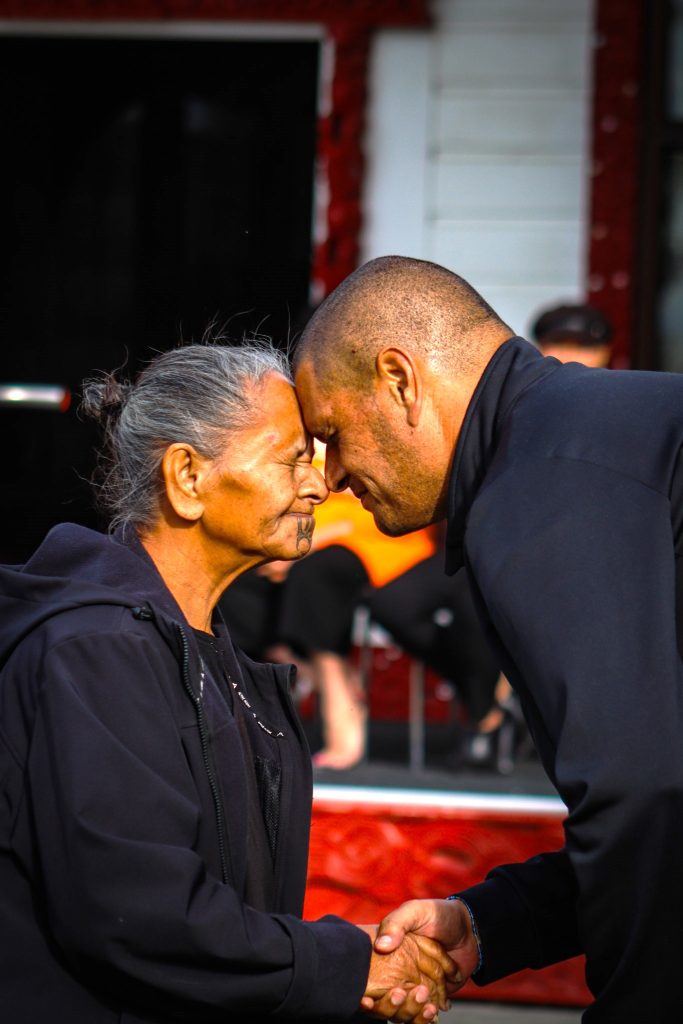
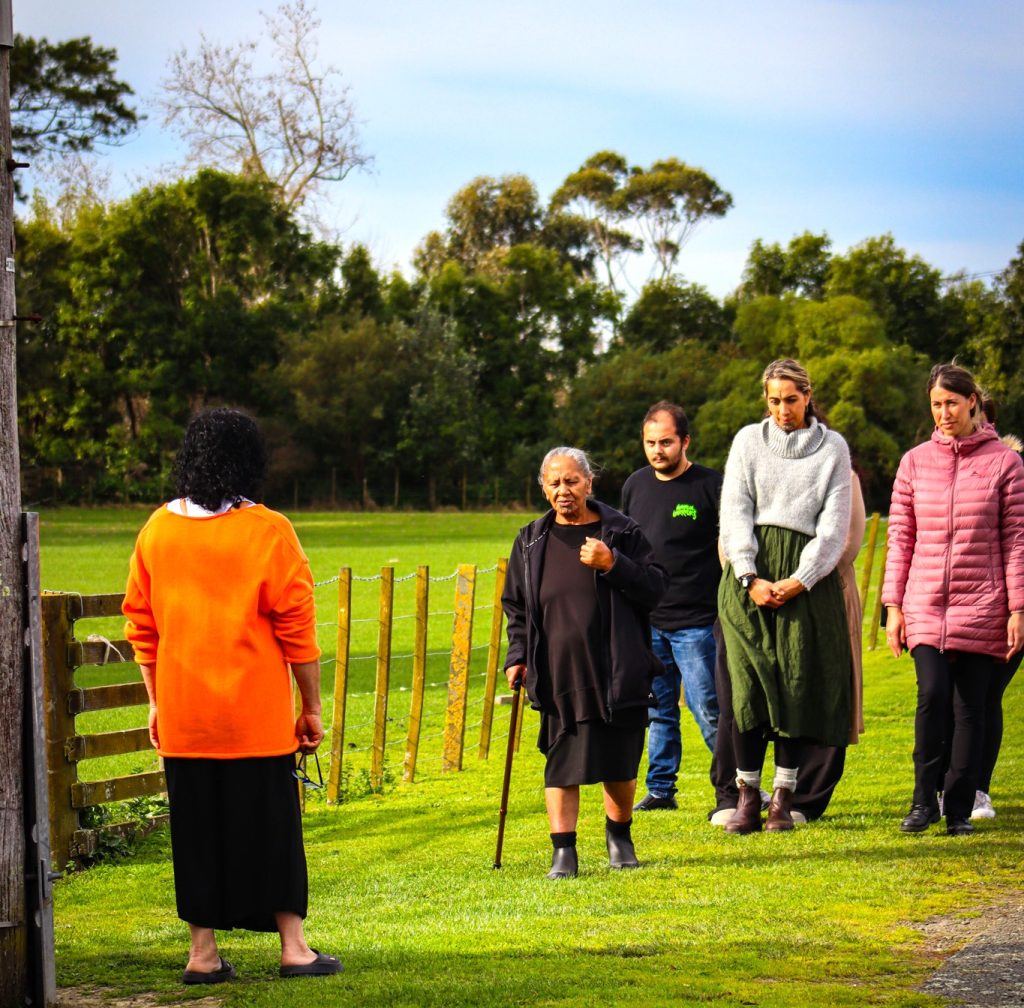
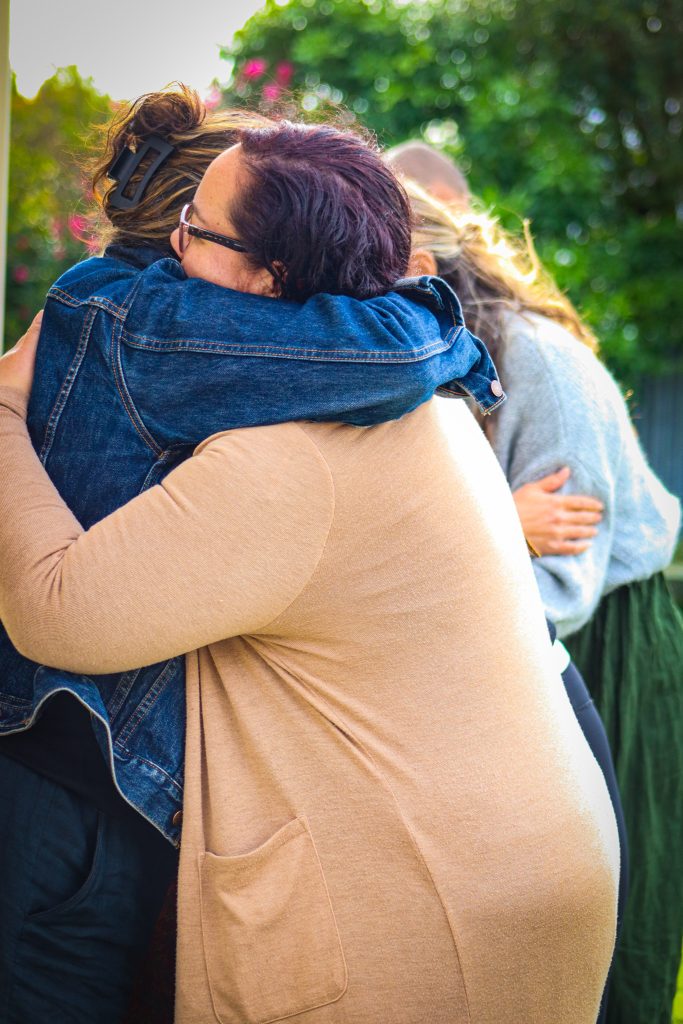
Evaluations for the Tangihanga Mime
“My goodness that was quite amazing as I could really feel it even though it was a mime which just goes to show, the spiritual energy is very real isn’t it. Just amazing!
I haven’t been brought up around tangihanga, so this was new and powerful for me. I could feel the deep honour and reverence given to both the whānau and the deceased. The tikanga and the mana expressed through this process touched me deeply… I would love to learn more.
It was deeply emotional and moving. I felt the energy in my tinana, a real flow of release and softening. Allowing mamae to move through is such an important part of healing.
I learned a lot through this mime activity, each of the steps and the differrences for a tangi, a hui or wānanga. Even though there were no words spoken I felt it in my wairua I felt the mamae throughout. In that time it took me back to when my sister passed last year when we were called onto the Marae and going into the whare nui I felt a sense of shame and embarrassment because I wasn’t sure what to do and I couldn’t guide my tamariki through the process so this learning was a bit mamae but it meant alot and I’m grateful to have been able to take part and learn.
I enjoyed the breathwork and collectively connecting to our tupuna in the wharepuni to take them back to hine nui te pō.
Was a great experience. I have had one experience of going on to the marea with tupapaki. And no experience welcoming one on. So there was a lot to learn. It was great to see the teams get in to it and it was interesting that we all felt the mamae during it all. I found the mime rewarding.
The tangihanga content – great learning, eye opening and it will help me when needed.
My wairua felt this deeply. Communicating through body language, gestures, and resonance. From the karanga, the whai kōrero, the kōha, waiata, and the hongi”.
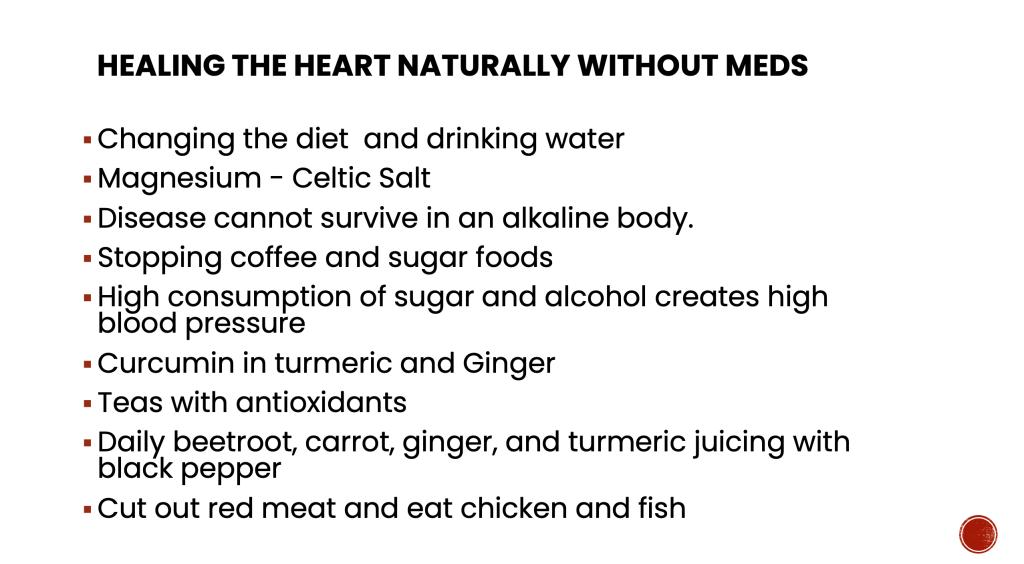
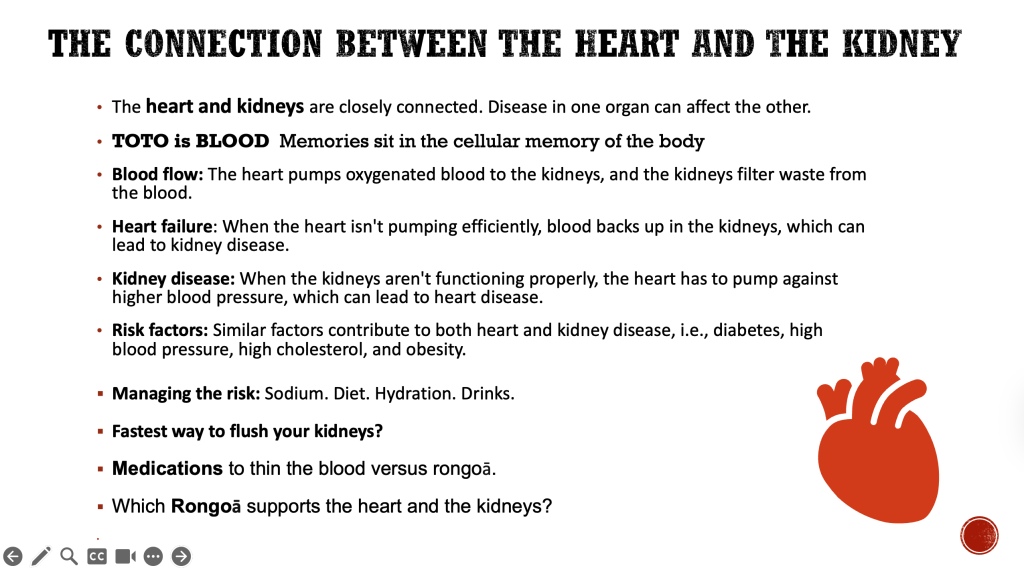
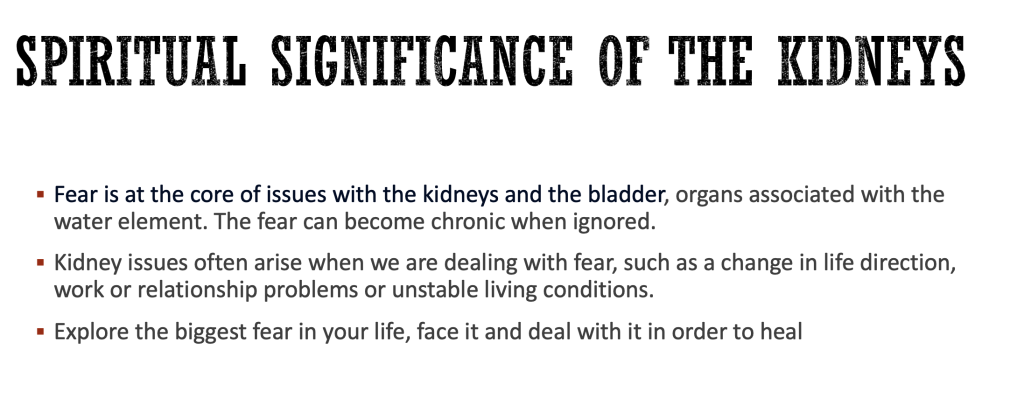
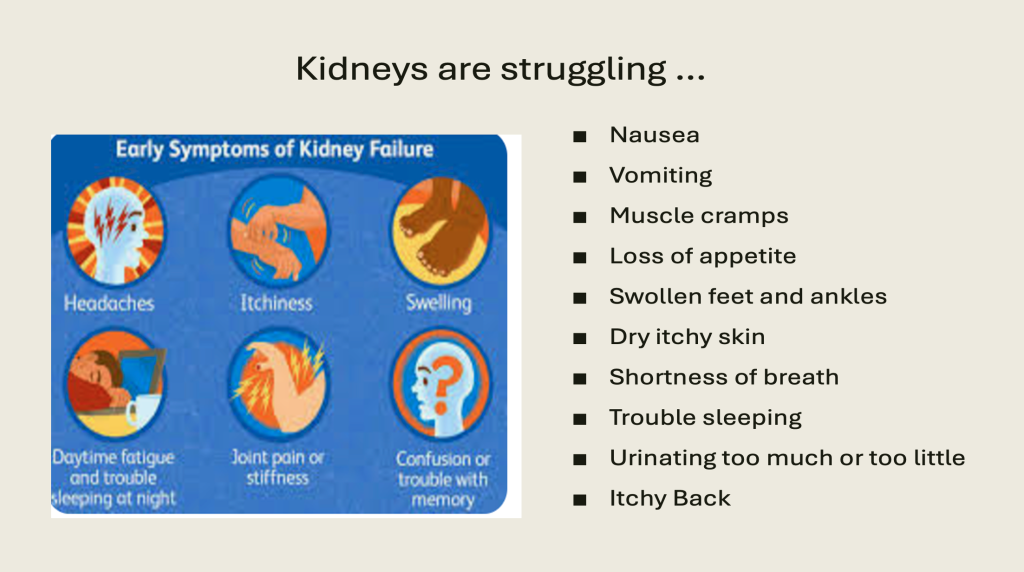
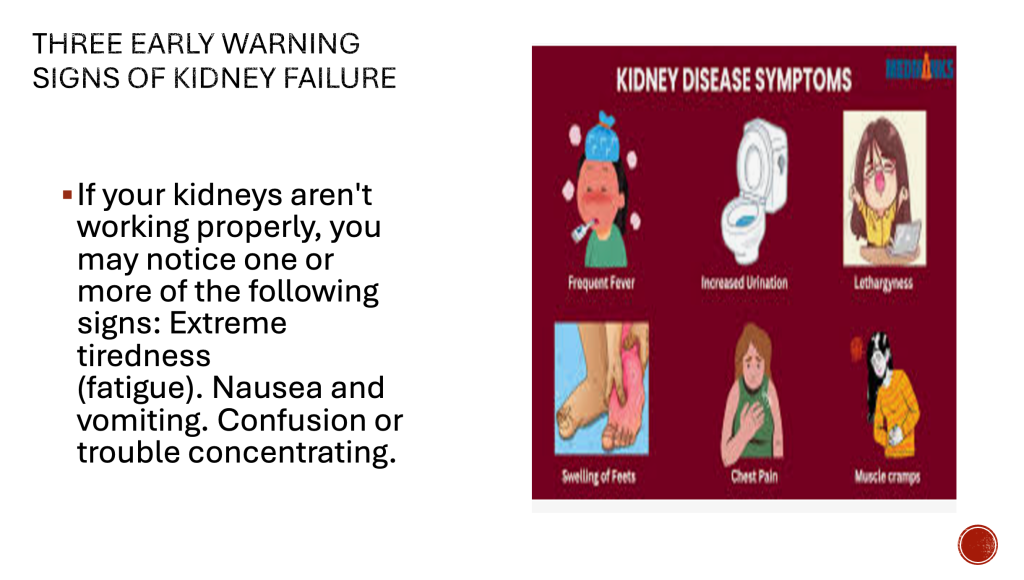
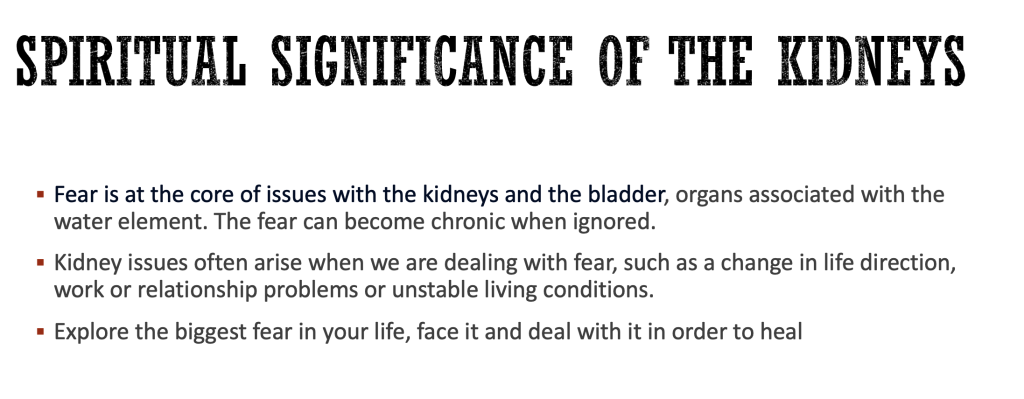
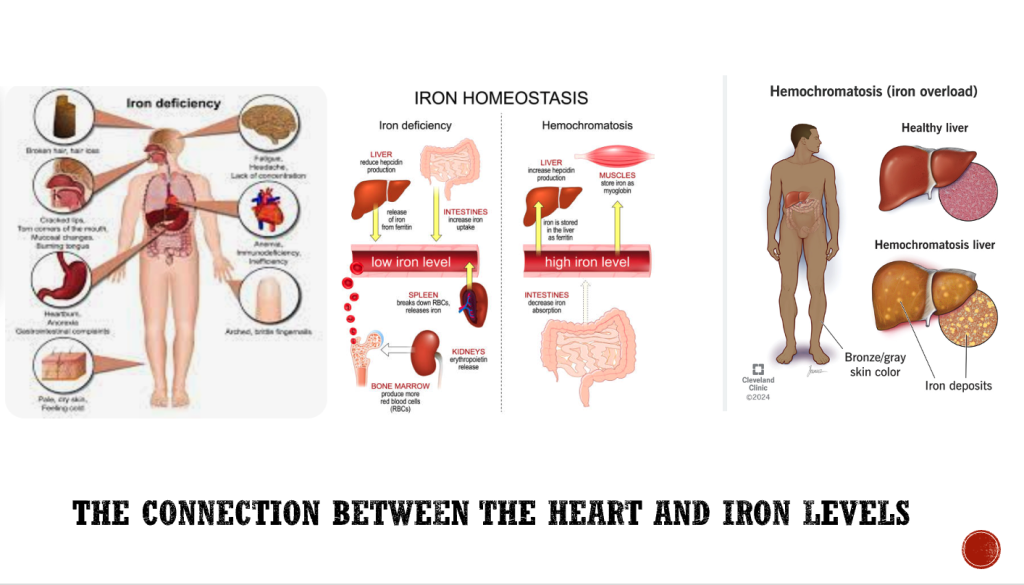
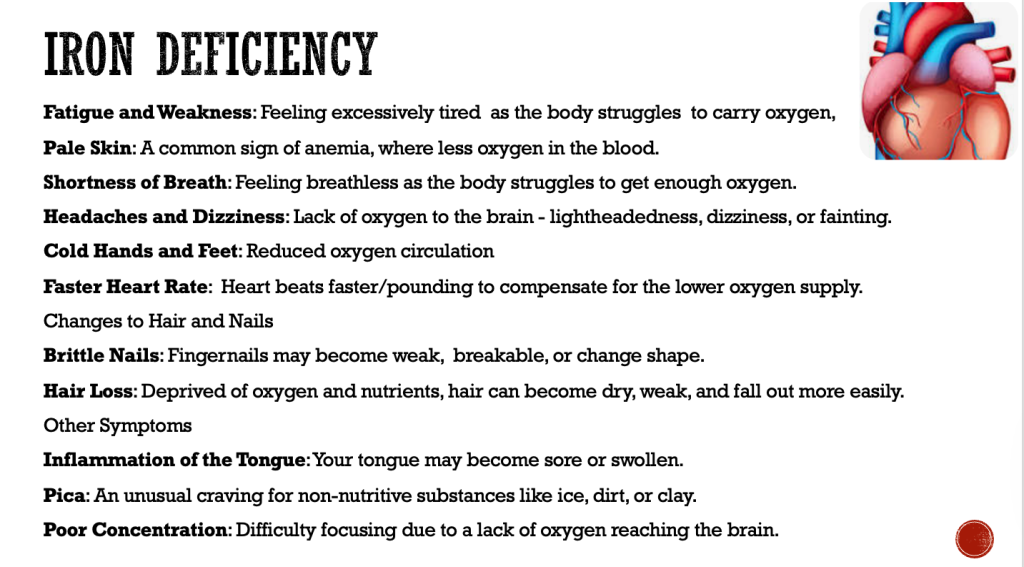
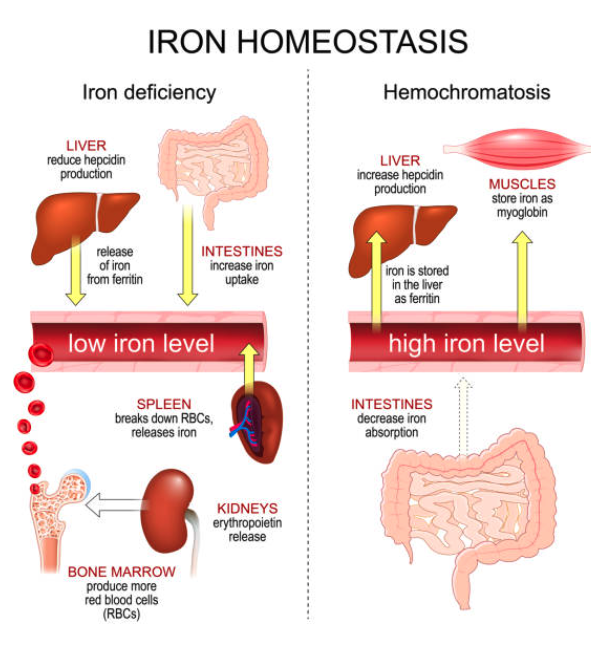
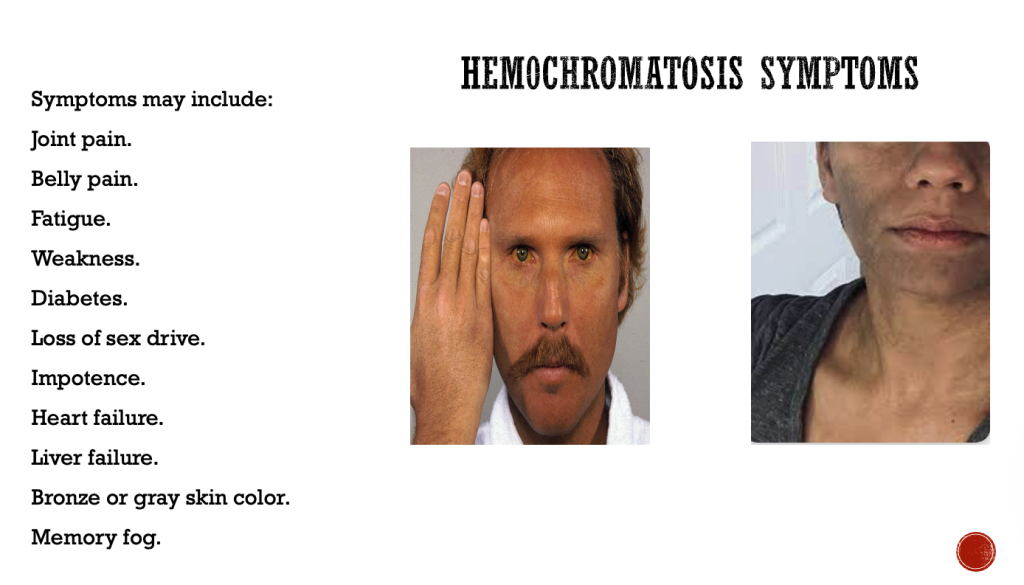
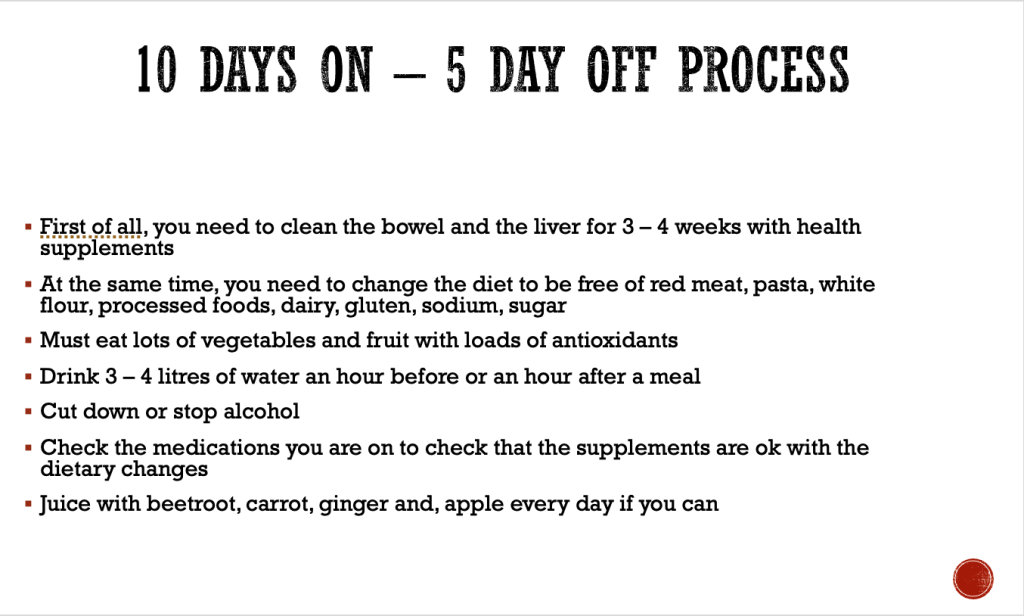


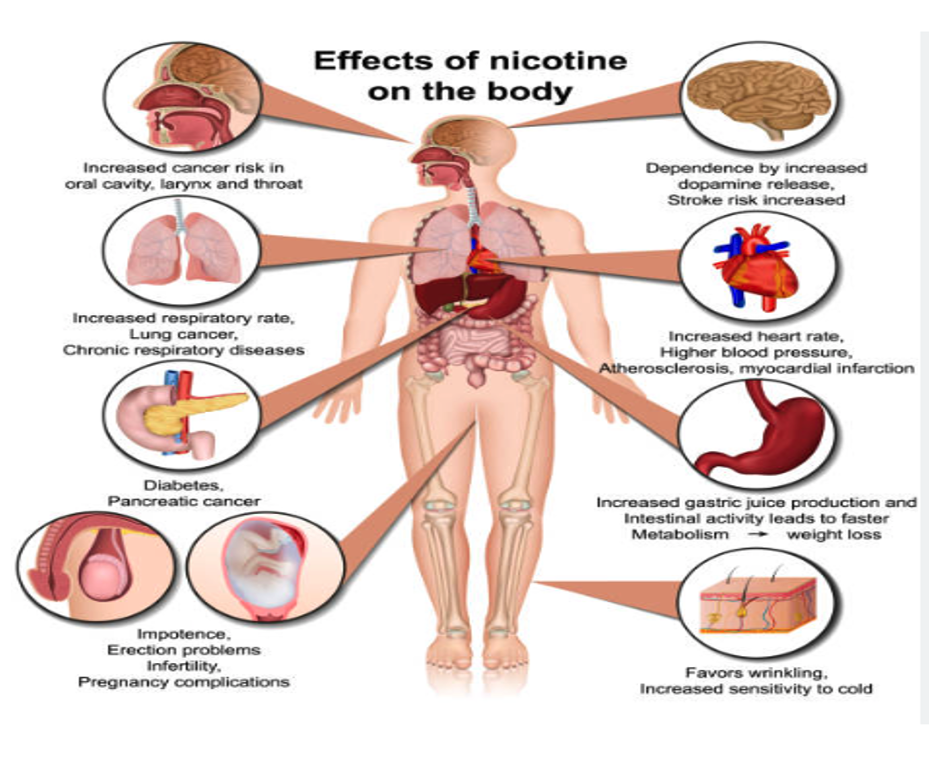
Heart disease known to be the biggest silent killer in New Zealand and the highest stats are from Maori.The program continued to build on the content from the previous wānanga, where we explored natural methods for healing the heart without the use of medication, and examined the heart–kidney connection. This time, we delved even deeper, uncovering links between heart disease and both iron deficiency and iron overload. These conditions from the anaemia and iron overload commonly impact not only the heart but also the liver and kidneys.
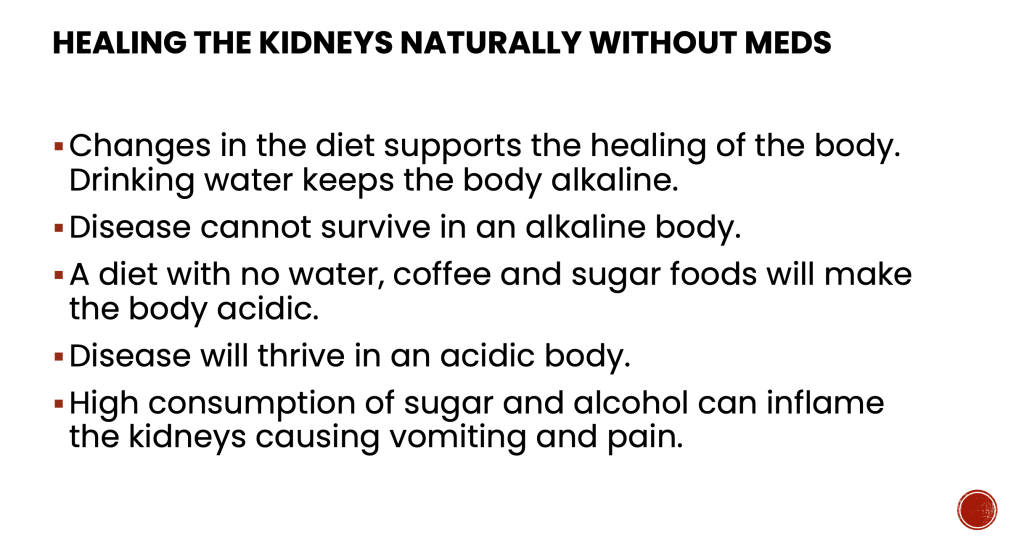
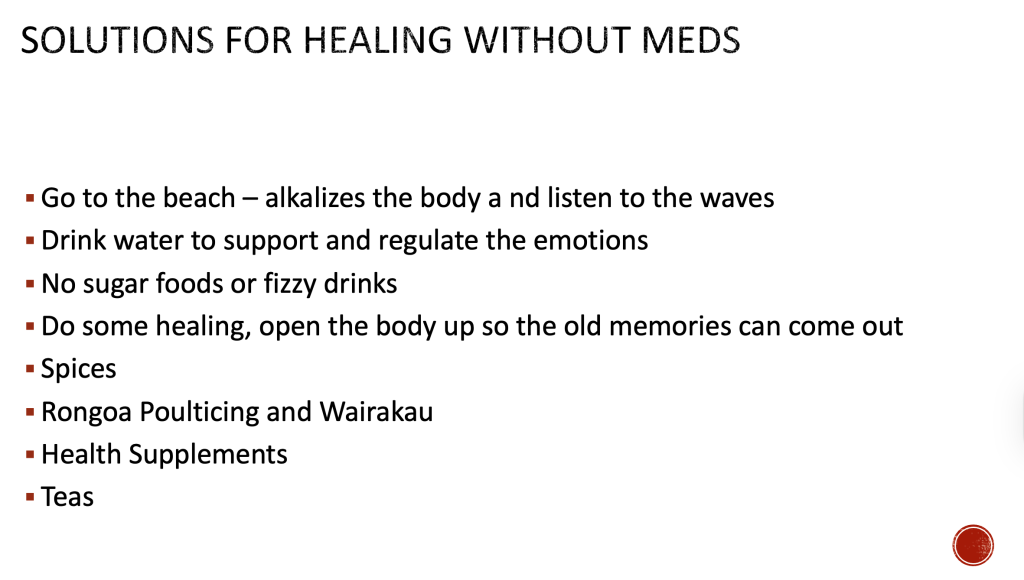
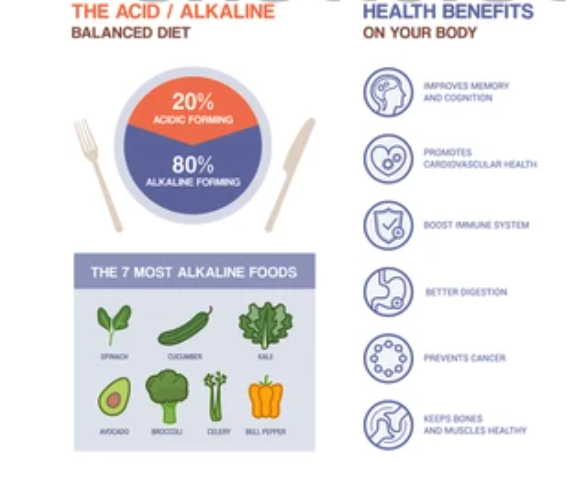
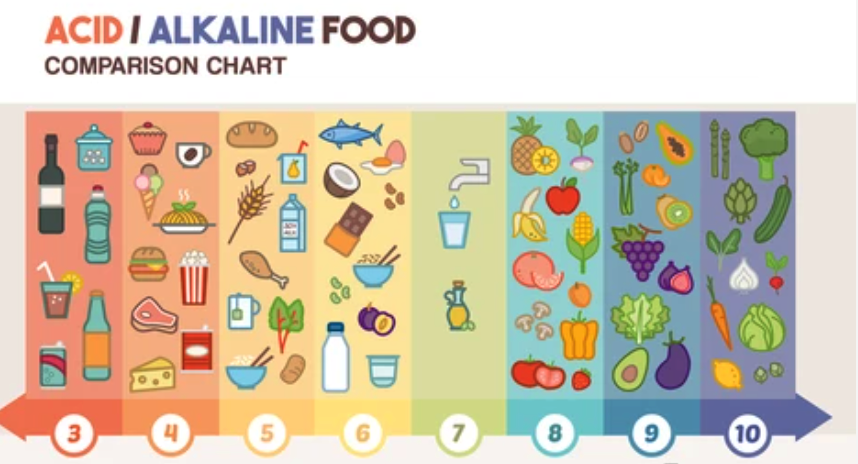
We introduced a variety of natural, vegan approaches to support cardiovascular health, including juice blends made from beetroot, apple, carrot, tumeric and ginger. In addition, we incorporated rongoā practices using wairākau and kombucha to help alkalise the body knowing that disease struggles to survive in an alkaline body yet it thrives in an acidic body.
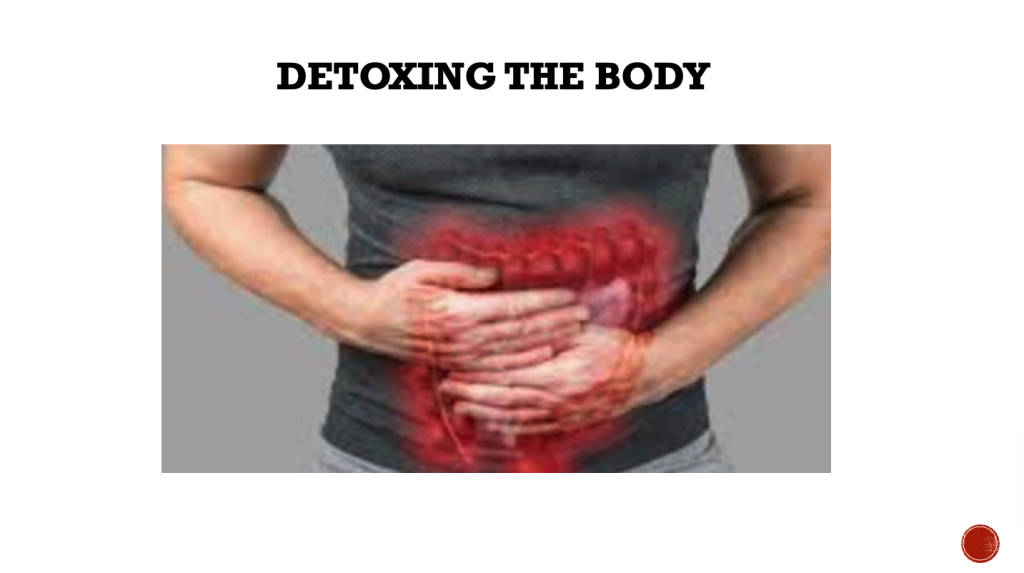
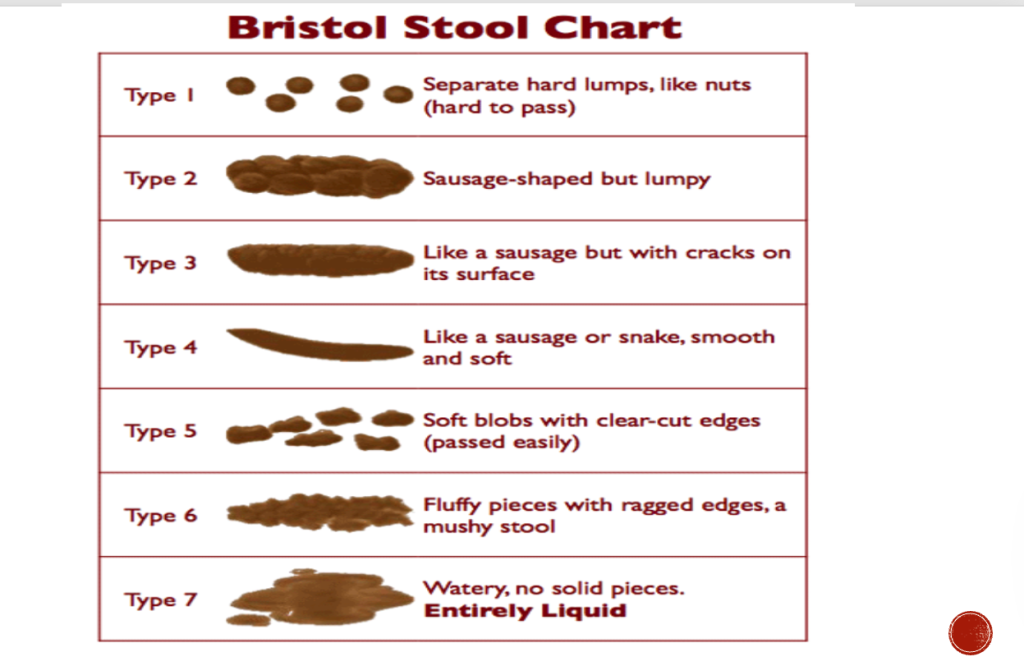
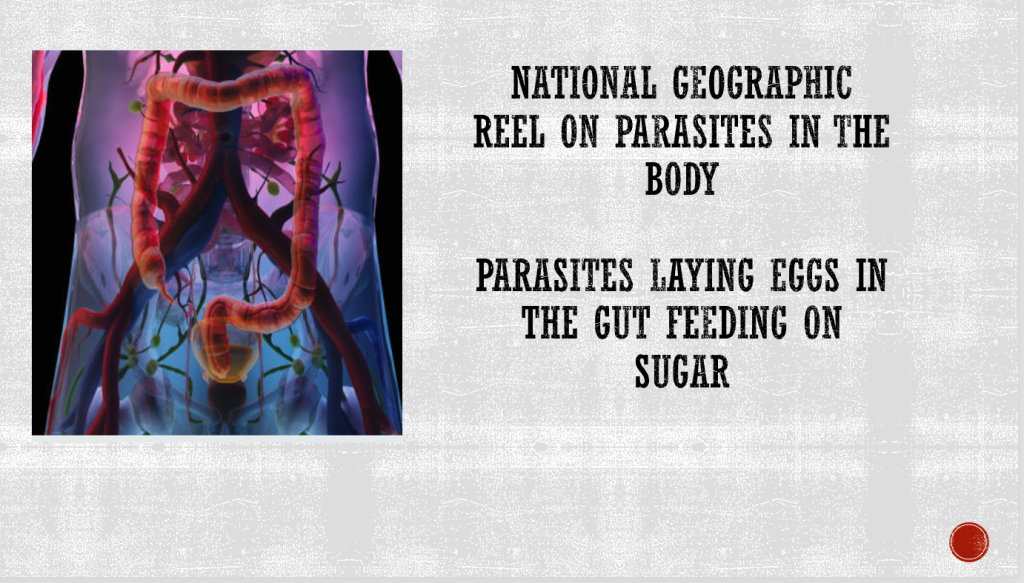
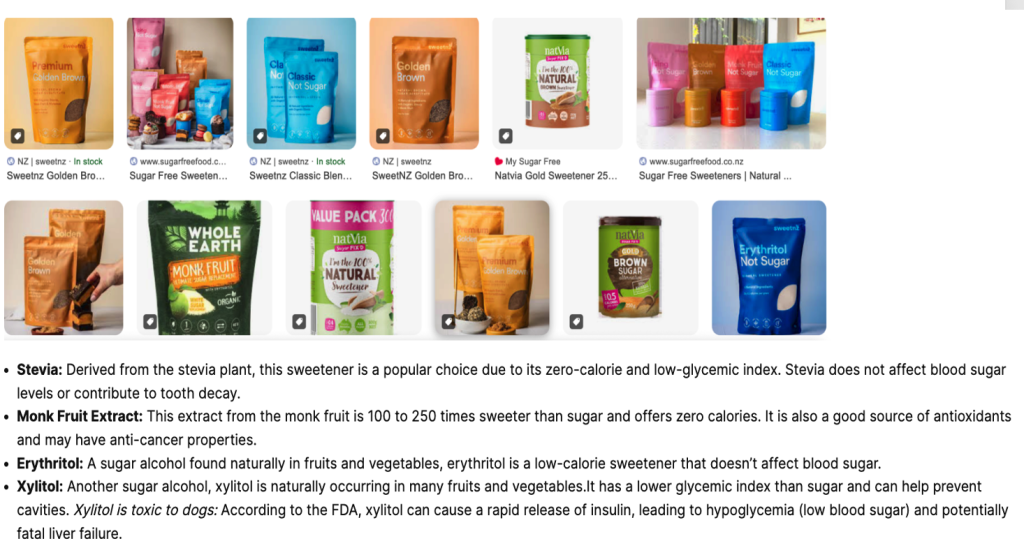
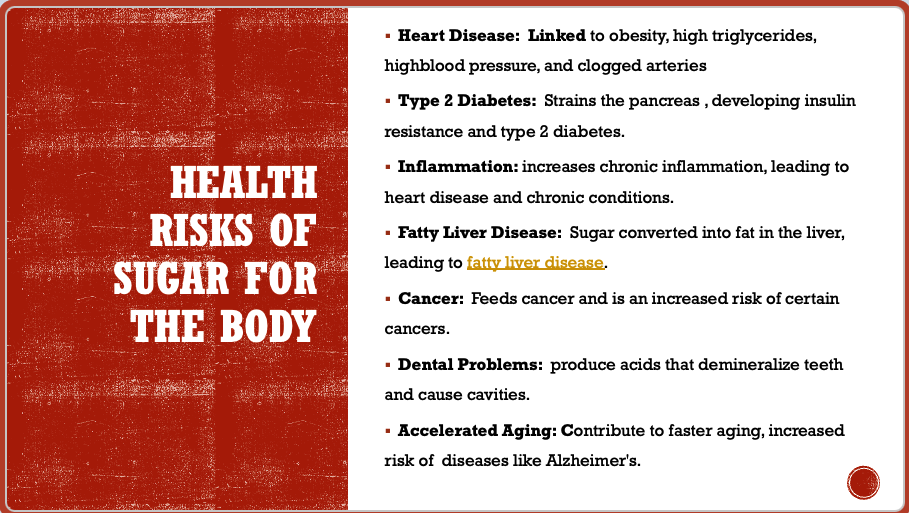
The focus shifted toward a sugar-free, gluten-free, dairy-free lifestyle, eliminating processed foods to help maintain optimal alkalinity and reduce disease risk. From there, we emphasised the importance of cleansing the organs, in particularly of worms and parasites using a range of herbal supplements, teas, spices, and raw and unprocessed foods. This approach supports the body’s systems to function at their highest potential to heal the body naturally.
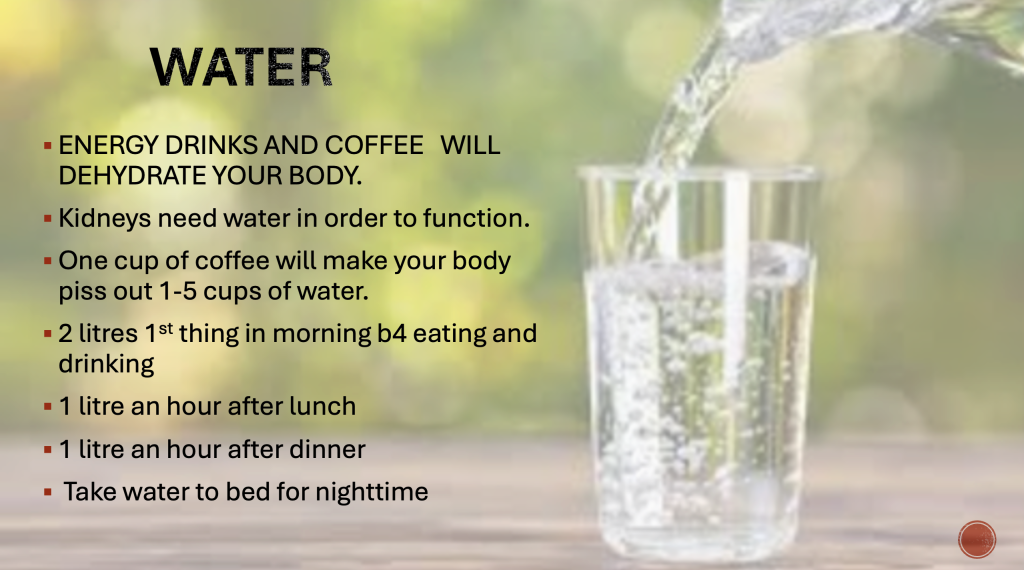
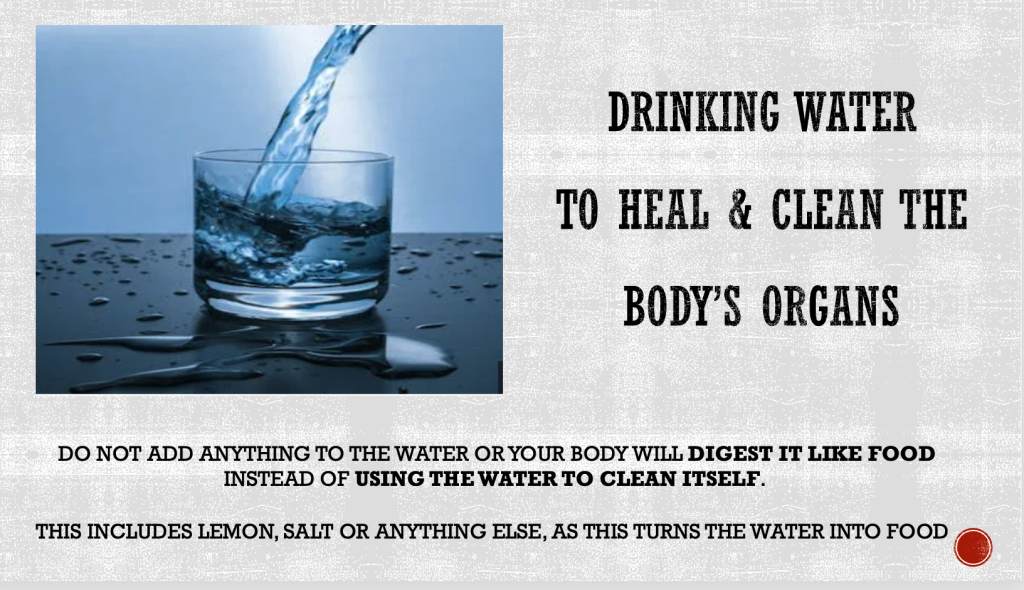
Most importantly for healing at the core of all healing is water. Essential for cleansing the entire body, proper hydration remains the foundation of any holistic healing journey.
Evaluations of Program Content
“The learning and inspiration I’ve gained from this wānanga have given me both the motivation and the tools to be more consistent with healthy eating and focused on heart and kidney health.
Enriching, expansive, and full of wisdom. I loved learning through so many different lenses… from tangihanga to Lemuria to the healing of chronic disease through the heart. It all wove together in such an insightful way, expanding my mātauranga and awareness.
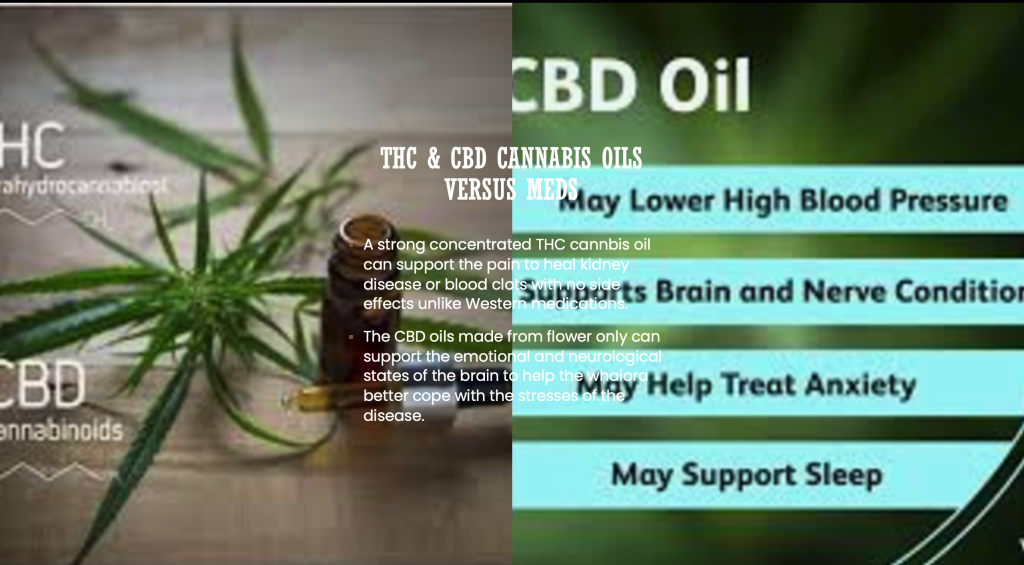
I enjoyed the healthy heart and kidneys. As a Nurse Practitioner, I am mainly governed by western medicine but I am glad to offer whanau alternative treatments. The wananga offered alternative treatments including diet, Juicing, romiromi and CBD oil.
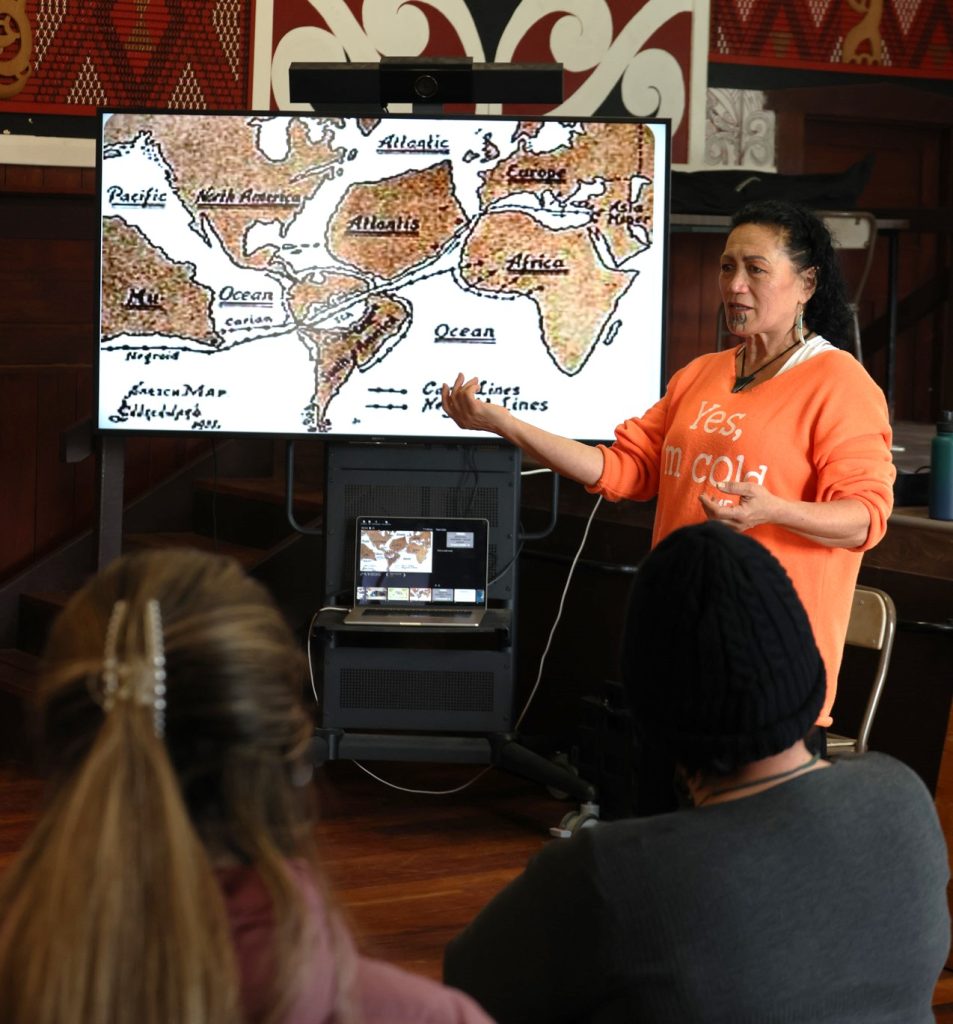
I felt the content was interesting about the motherland of MUKai remedies that act as a pain relief and nerve pain relief, Romiromi techniques for chronic pain, detox, removal of crystals, Lemuria content – because one of my passions is whakapapa
It was interesting and great learning to try to understand Lemuria. Our planet is older than our people and it makes sense to add to my kite of figuring out who I am and how to view history.
The healing of the chronic diseases with the heart and kidneys naturally without meds – is always interesting and important to figure out what to look for and what to do to help yourself to either prevent it or heal it.
I found the romiromi in the whare nui with the power point presentation very useful, I myself have osteo arthritis in both my hips and lower back. I gained a lot of knowledge from the exercises from this.
Learnings of “MU”, The whatumanawa being that part of the Tohoro.
Charlotte shared her lived experience with her healing. The info on heart, kidneys. All of it resonates with my own learnings, research, and lived learnings.
I was present for days 2 and 3. I believe the mātauranga still entered my cellular memory. I found the kōrero around healing chronic diseases through the heart and kidneys fascinating, and I especially loved the practical side of making juices.
The exploration of Lemuria and the deep connections between wairua, tinana, and whenua were truly intriguing and opened up new pathways of understanding for me.
I was totally in aw in each days content, I was intrigued with the information on the mother land (Lemuria), to learn about the information been placed in crystal’s, just wow, I am very drawn to crystals, it just felt like wow how super interesting is that.
How we were all one, you still see traces of this today, just fascinating, I have never heard of it before, I will be looking more into this as I would love to know more.
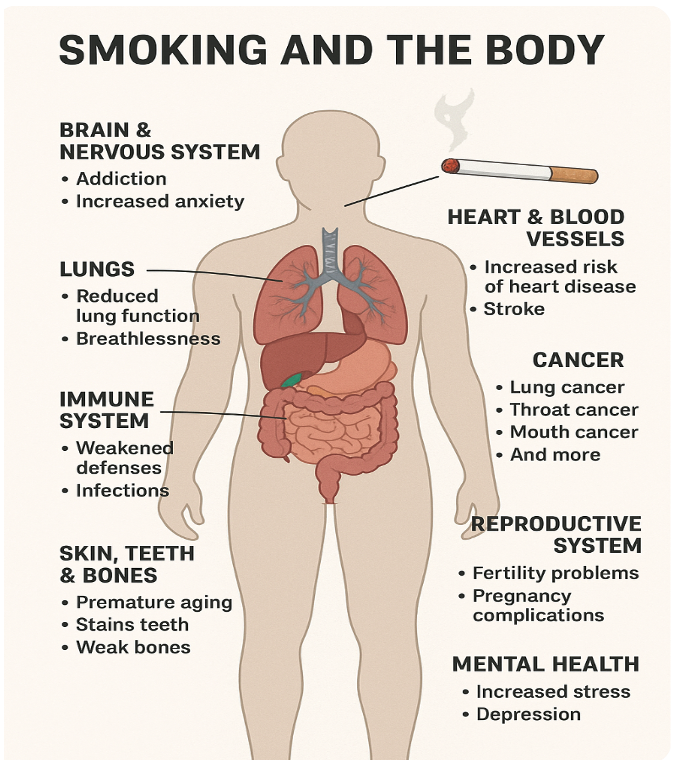
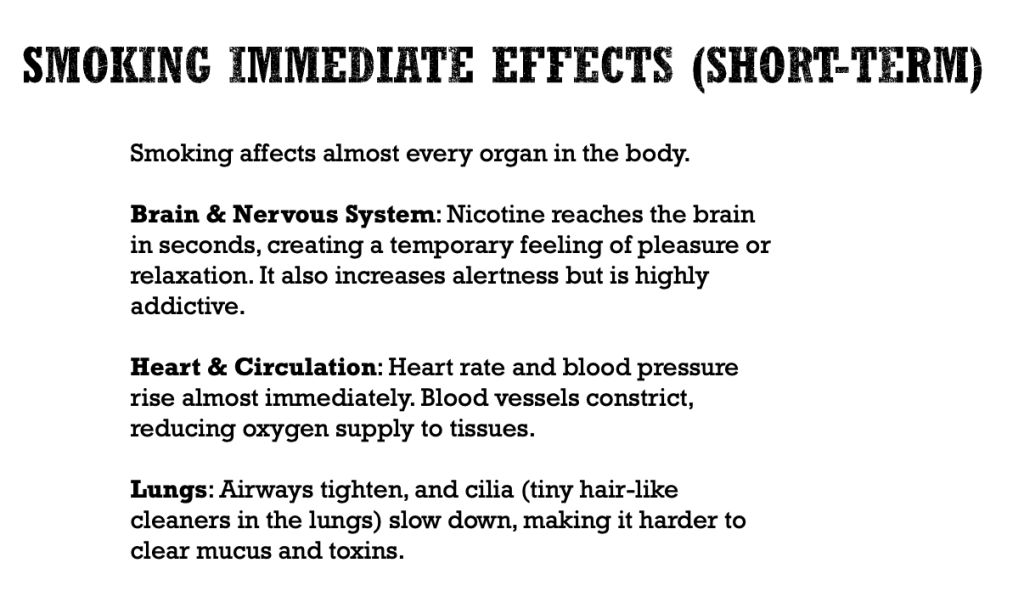
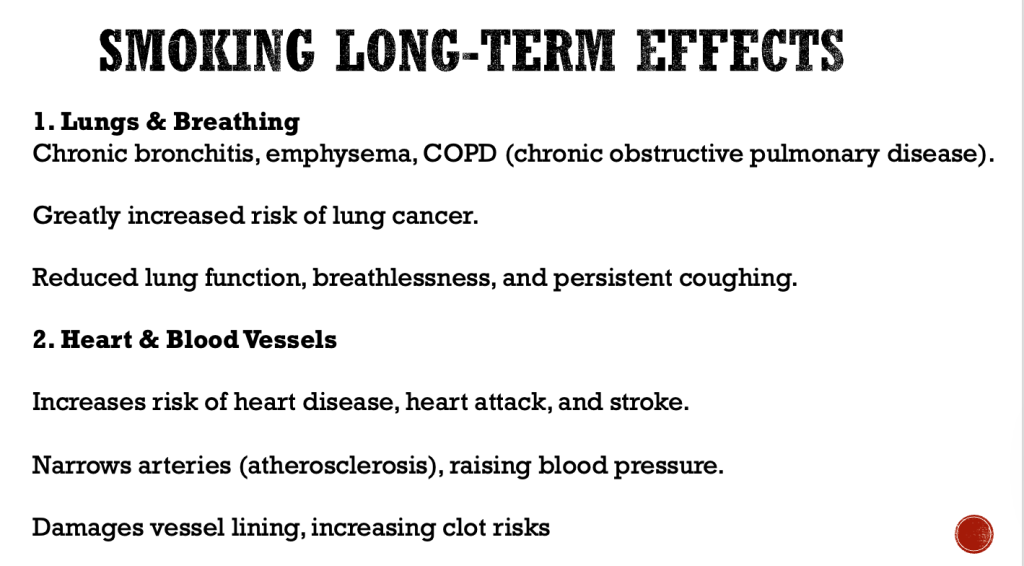
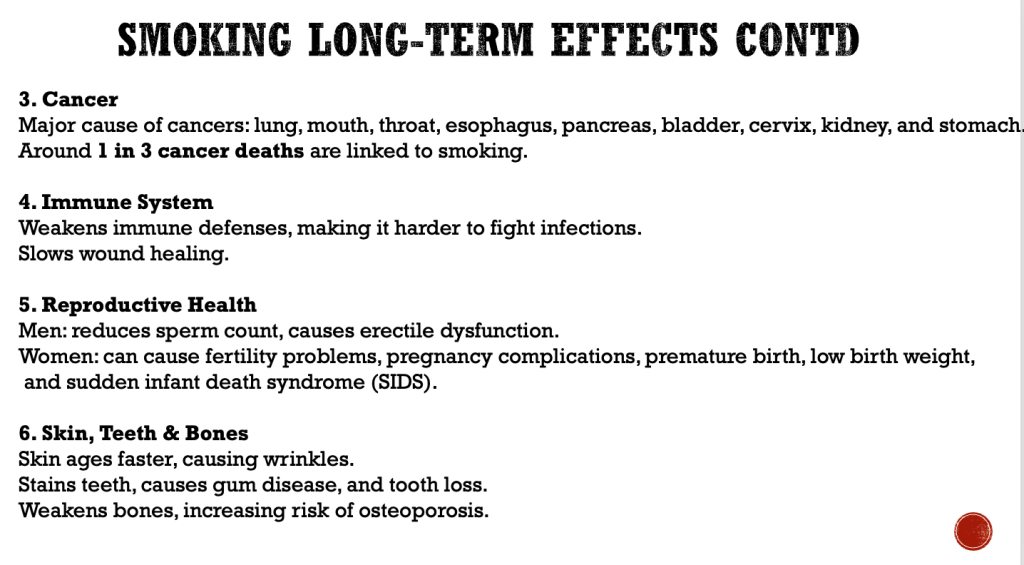
I found the information on the heart disease and kidneys very interesting on healing these naturally, along with what smoking dose, I am a smoker an wanting to give up desperately, so have come out with a clearer mind set on what its doing to me and those around me, It has been a real starting point to giving up the life long battle, habit, to been serious about stopping.
Amazing I learned so much about our kidneys and our heart and how important it is to drink heaps of clean water .
The healing of chronic diseases, there is so much to learn all the time especially when it comes to kai learning that eating sugar causes inflammation in the body and makes the body acidic where parasites love that stuff.
Amazing! I learnt so much… how the hips hold us in place, how we carry ancestral patterns, and how these areas connect to our internal organs. Charlotte’s knowledge and wairua are next level. I was in awe.
I found the heart and kidney content particularly relevant for me as I move into the middle age phase of my life. I watched my dad and 7 of his siblings pass away relatively young, several of them spent the last few years of their lives consuming piles of medication. Reaching my middle years I now want to take a more proactive approach to ageing and role model a different path by taking care of my health, creating healthy habits and utilising natural approaches”.
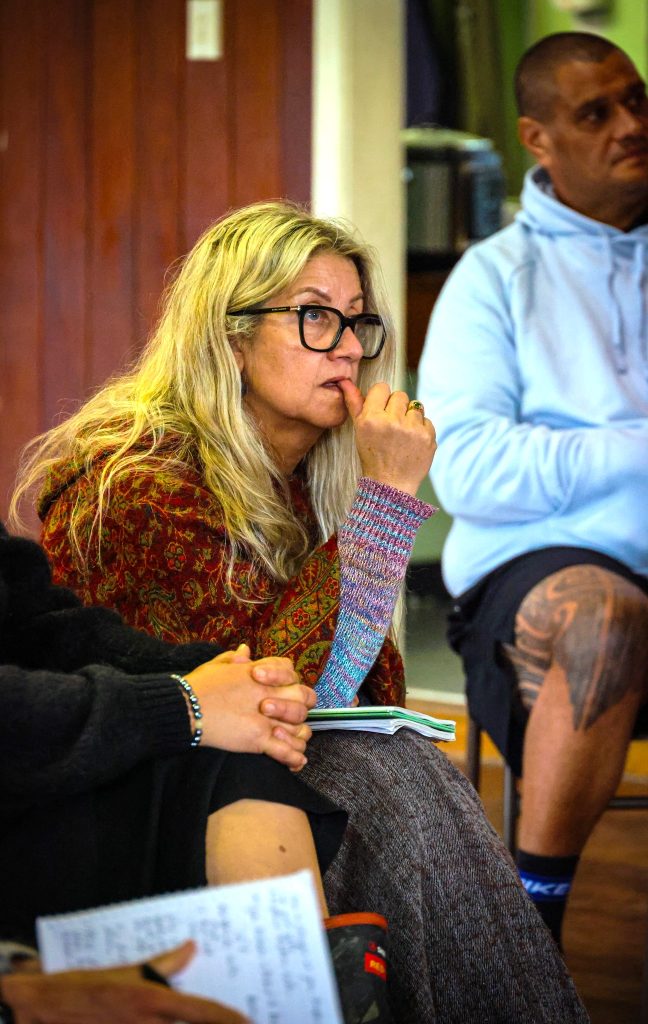
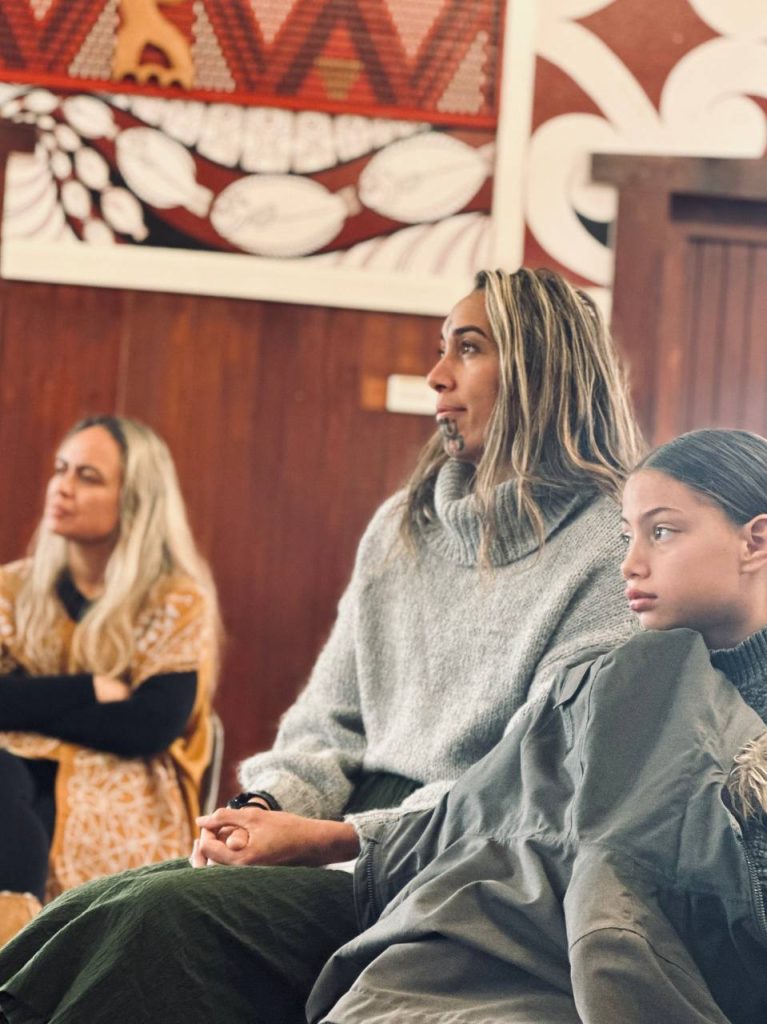
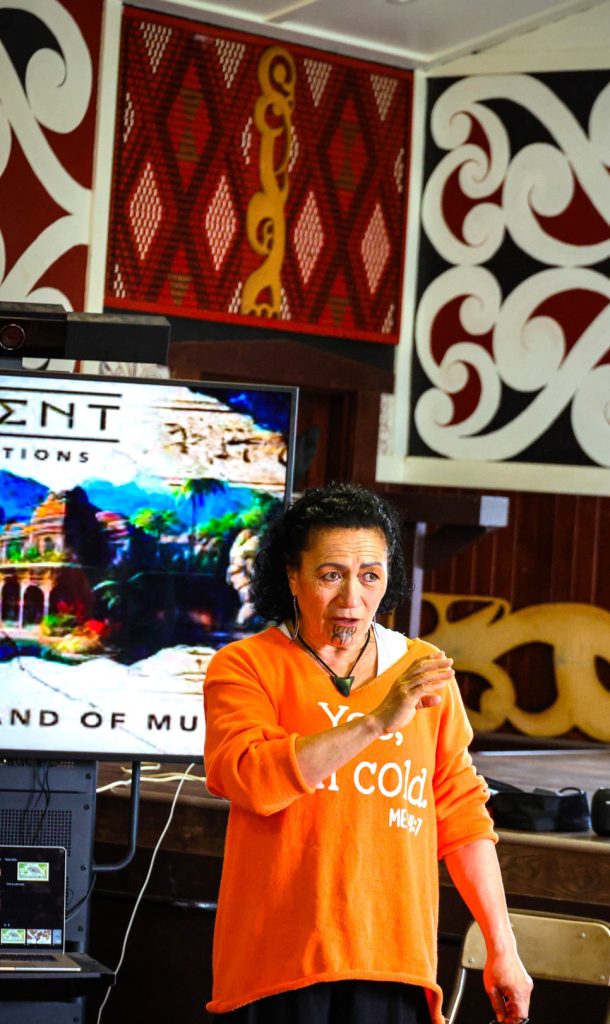
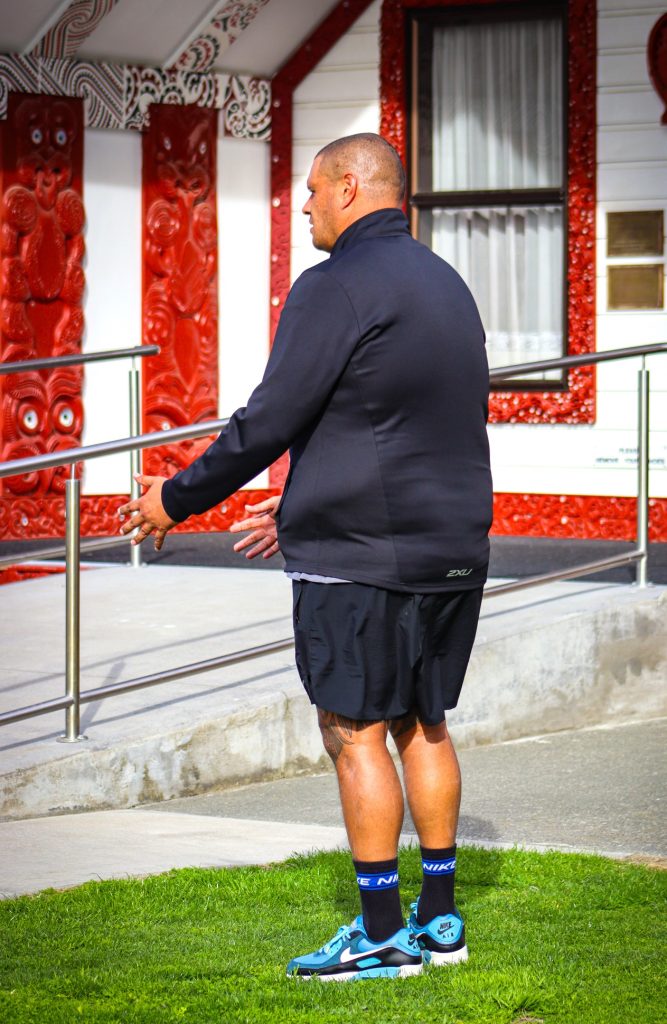
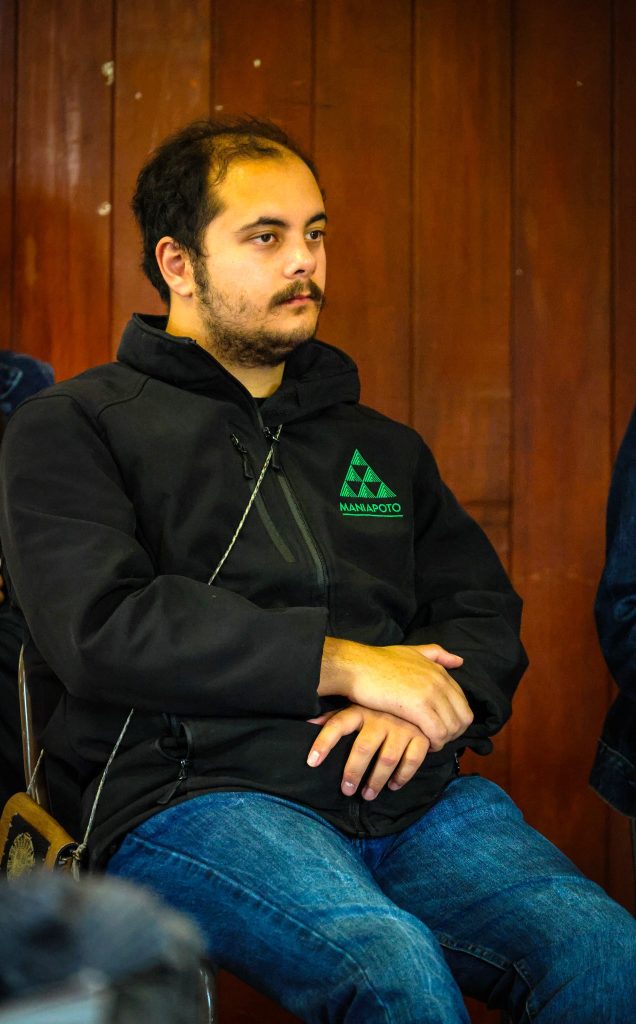
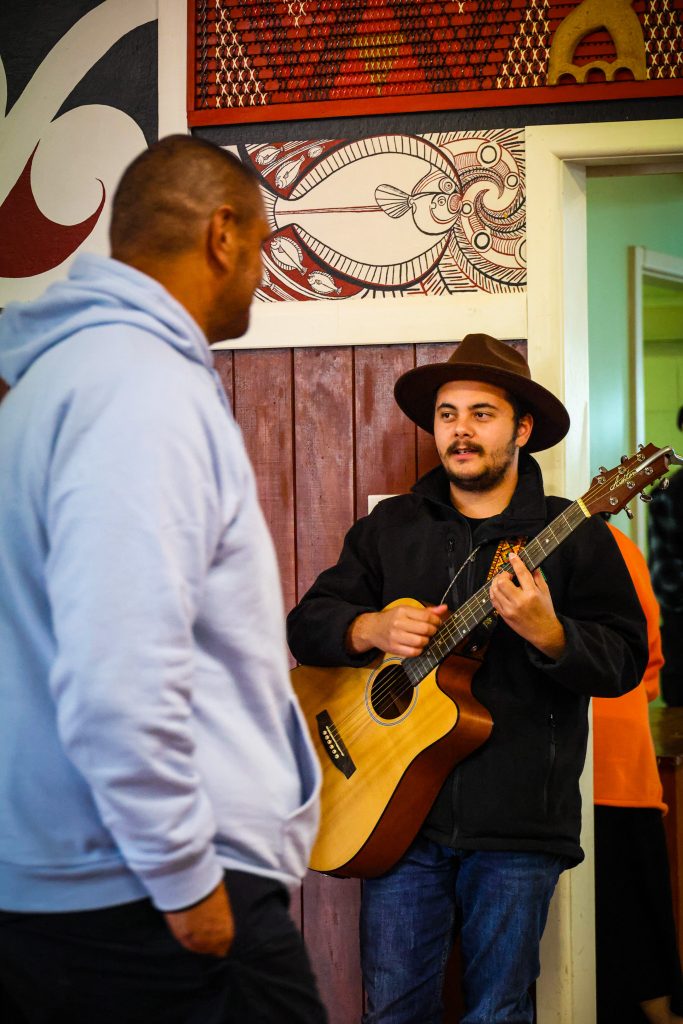
Evaluations of Sunday’s Whakawaatea session in the Wharenui
“The shifting and clearing of historical raruraru was a beautiful thing to be a part of. I enjoy allowing myself to let go and see what arises. I was interested in how my dream from the night before wove seamlessly into my Whatumanawa, as if time and space didn’t exist in the way I usually understand them. I always look forward to Charlotte’s explanations of what we see and how everything connects, how common themes intertwine within and between the group so naturally. I also learnt that tuna that I saw are Tipuna.
I love learning and practising mirimiri and romiromi. I feel quite at home in this space, and it’s starting to feel like everything is clicking into place. The more I practise, the more I understand.
This session was so enlightening and heart-opening. I loved the kōrero that followed and learning about colour, vibration, and light. It was a privilege to witness and be part of that healing process… the release, the movement, and the courage everyone showed. Truly special.
Being apart of the clearing of the Marae was interesting, whaea had us lay in a circle together and sung takutaku while we went into our whatumanawa afterwards we each shared what we experienced I forgot a bit of what I saw but I remember seeing lots of eyes like from a carving passing by whaea explained what we did and about the things that we saw which is really helpful to understand what things mean and validates our experiences.
Always love this mahi! It was a real good learning experience for me because it’s the first time I have been able to connect what I see to what it means.. in other words I’m growing my gift in a safe way. Absolutely amazing mahi, going from feeling the hara oozing out everywhere to light and bright feels. We did great with devine timing and divine guidance from our kaitiaki and Charlotte.
Mirimiri session in the Whare nui, to shift and clear the historical raruraru was a privilege to be apart of, it was a sad experience.
I felt the sadness all around and saw a man and lady with their fore heads touching, with a surrounding feeling of deep sadness,(mourning) I could have easily let the sadness consume me, but I remembered learning from Charlotte to be still and not let it over take your feelings, but as I was explain what I had seen and felt, the emotions were so real and I felt the deep sandiness and cried, I found that weird, maybe I subconsciously knew I was safe to allow these emotions to come through, but I also let them pass as fast as they came.
I saw many beautiful things, the colours of greens and purple, with feelings of pure peace towards the end, like a wrapping up of all the sadness, it’s a very real and amazing place to be, to experience such raurau and disharmony, to feel the ease dissipate.
From what I experienced, the session was powerful.
Reflecting afterward, I realised there was more energetic raruraru being shifted than I was aware of at the time, it’s only now that I can see how significant that clearing really was.
This winter has been very cold, and I could feel how much my tinana needed that warmth and movement”.
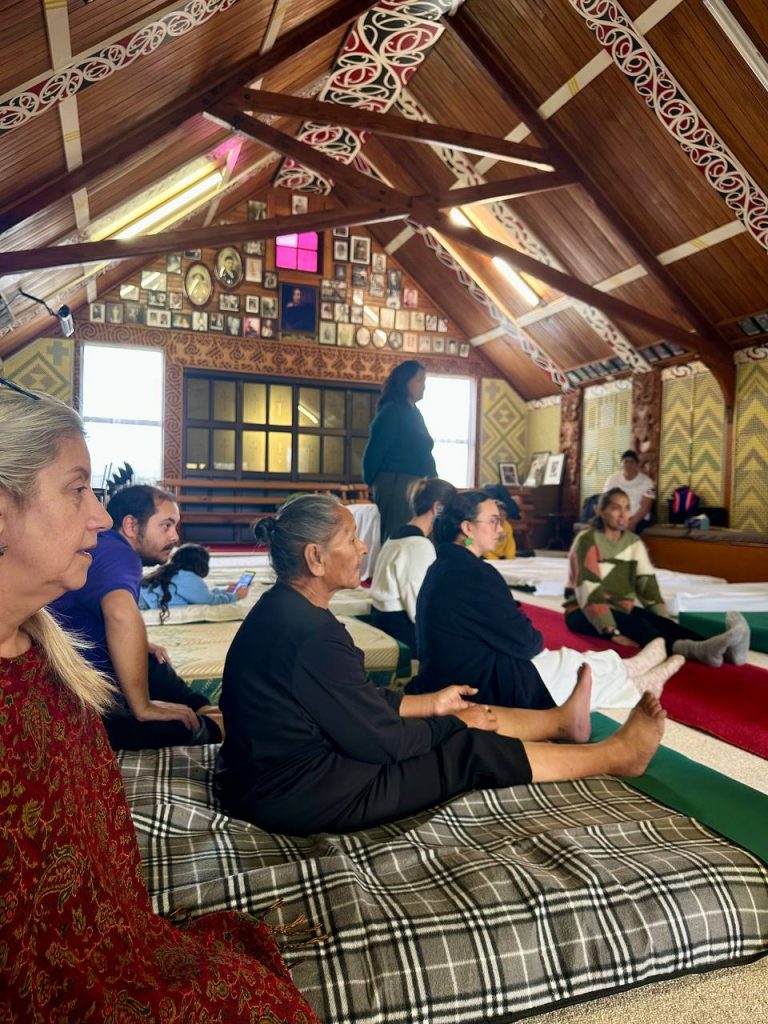
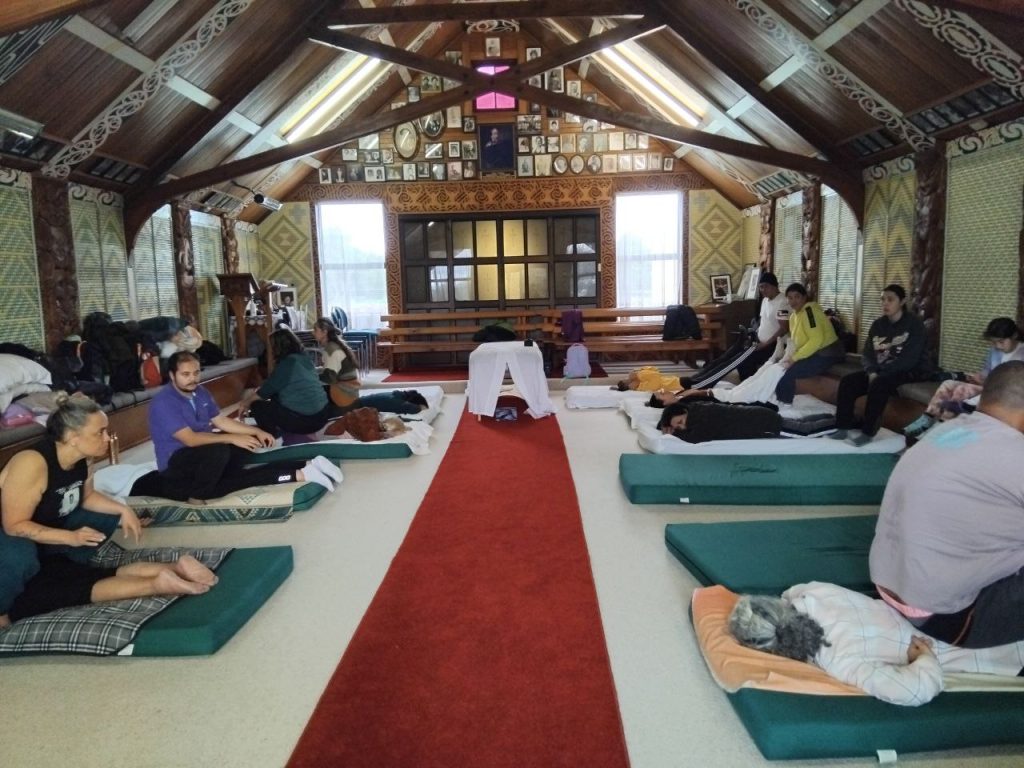
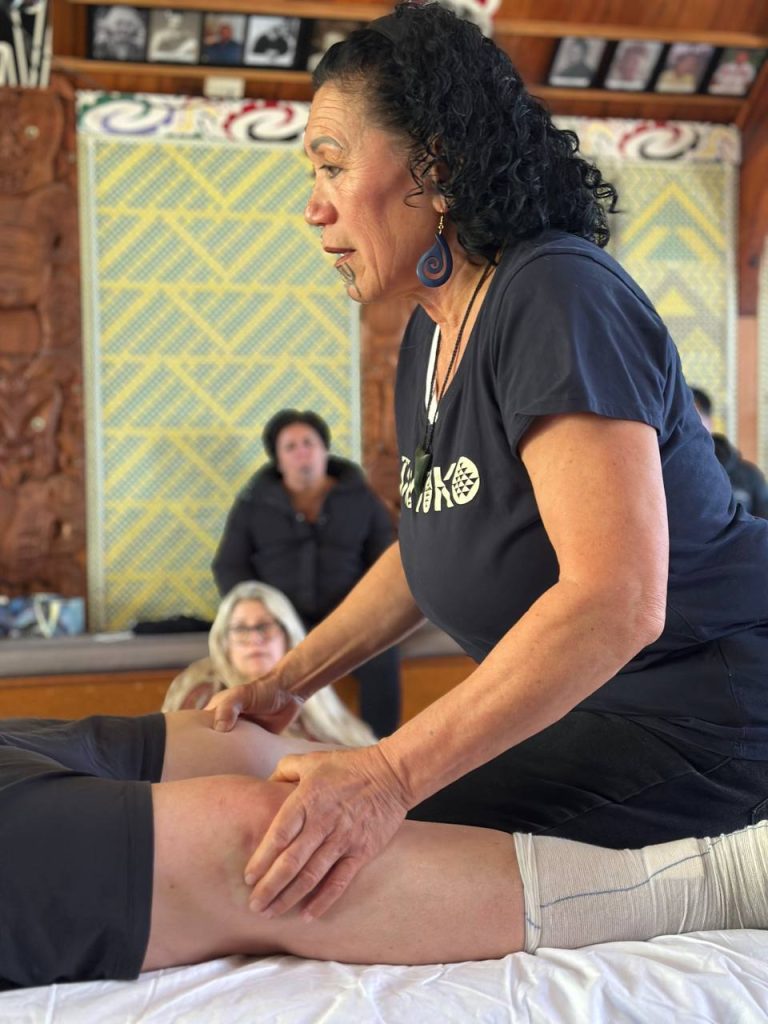
Evaluations of the Romiromi session
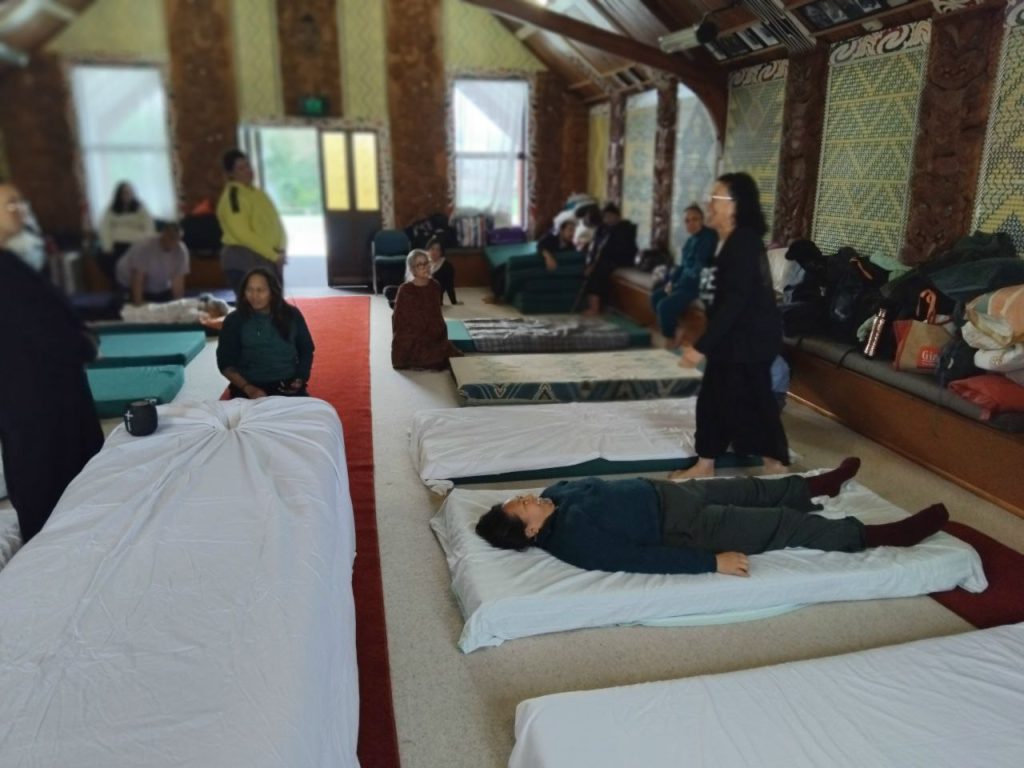
“I always enjoy learning romiromi, I felt priveledge to be able to work on our kuia Raewyn, doing some techniques I’ve already learned like the massage techniques for the hips help to solidify those learnings aswell as learning a couple of new techniques to add to my kete helps to build my confidence.
The exercise on the hips and legs with Romiromi – Seeing how she was in less pain and her hips were straighter by the end of her session.
Shaking the legs from the ankles to cleanse the puku area, slapping the area of pain for blood to rush to the location to heal, hitting butt area with palm for sciatica, manipulating the legs by lifting and moving side to side and in circular motion to remove crystals – therefore relief from arthiritis, deep pressure applied (inside dip) next to hip bone area and a pressure point above knee bone, use of knee pressure on the back of patient thighs, foot on a angle in the groin area. I enjoyed practising these techniques on my whanau when I returned home.
I was worked on by a number of my roopu, who all did an amazing job. I did notice the different techniques in all that worked me, been able to work as one in breath allows you to feel the point of pain, to were you enable the softness of the muscle to relax to be able to better function the movement, I noticed the difference in my walking after this session. I have now incorporated these exercise’s into the motions of working my hips, along with drinking a lot of water which is very important in maintaining the pain I have, I didn’t really realise how important it is to drink at least 4 or more litres a day is, I can honestly say, I make a point of reaching this goal on a daily without fail.
It was awesome to see everyone give it a go and feel vulnerable amongst each other, as that’s why we are all their, to learn.
There was such a wealth of mātauranga shared. What stood out most for me was the connection between kai and the tinana, how directly what we consume impacts our healing.
Learning about tiwawe was a real highlight; it’s absolutely amazing. I’ve even arranged to get a mini trampoline from a friend to support my lymphatic system and organs – a small but powerful way to keep that energy moving daily.
The resetting of the spine and hips made so much sense. Reconnecting to the root chakra really revives the body. Observing and hearing Charlotte do RomiRomi. She has helped me to innerstand how childhood trauma is stored in the calves. How much pressure, positioning of yours and your receivers tinana.
I miss the tiwawe. After this session, at home, I pulled my arms on the electric bed over the bar to tiwawe myself to romi my body, especially felt this in my intestines in my stomach.
The romiromi work on my hips was fantastic. Nothing like any other health worker at the Health services could do for me and my ongoing pain levels. I find it hard to get in to the hip area properly to work myself even though I have been taught this over the years and even done this to so many whaiora working with Charlotte over the years through the flood relief work, Te Whatu Ora staff EAP services we did at the hospital and a community research project working with kaumatua. After all this experience, everything I learned went out the window. I felt I’d make it worse if I worked myself as I was stuck in fear. It loosened nicely especially the muscle on my right side.
The work on my heart area (hamstrings) was sweet as. Two days later, the aches came back in the groin area, the worst affected for my mobility, but has settled nicely. I’ve only used my rakau once but need to use it more regular. After this mahi, when I work my knees I can feel tingling in my feet now and so that’s really good as my feet were numb for such a long time. Now there is more flow/circulation in the lower leg area.
I trust Charlotte 100% with my life always have since my first session in Jan 22.
I have never had such positive and truly caring support from any other Hau Ora space where I felt safe so thank you”.
“Whanaungatanga, Kotahitanga, knowledge, and learning were all values that I felt I wanted experience at wānanga. I aimed to build on the experiences from previous wānanga, and I feel that I achieved this. I always leave with something meaningful to ponder on and something to work towards in the time between this and the next wānanga.
I was really keen to connect with others from the Takitimu waka and with Dr Charlotte, who I’ve followed for years and deeply admire for her energy and wisdom. Meeting her in person was a highlight for me. I loved the flow of the wānanga and the way everyone was welcomed. Thank you for accepting me and for all the teachings… so many gems, so much enrichment, and deep remembering.
I hoped to achieve reconnection with our wānanga whānau and ā wairua. I missed the last wānanga, life got chaotic and overwhelming in many ways, I started to shift further and further away from everything I had learned in the past year at wānanga, all the tools I had learned to stay grounded and in my whatumanawa I stopped using them. I found myself shifting back into old habits my default mode of taking care of everyone else and forgetting about me. I stopped loving on myself and got lost again. Stepping back into wānanga I was nervous but I knew I needed it. I definitely reconnected made new connections and deepend connections with our regular wānanga whānau, it couldn’t have come at a better time. Since then, I have been practicing my breathing and being more in my whatumanawa, loving on myself again and reconnecting with myself in ways I never have before and learning to let go and trust in the divine.
Wanted to learn more knowledge about self care and how I can look after myself and my whānau. I definitely achieve that and more . I learned so much about juicing and also kombucha which is something we used to do a lot of so I was a very good reminder I’ve how important it is for our gut health.
I hoped to have an improved awareness of my spiritual side. I believe I have improved this awareness from the previous wananga. I can relate and go into a mindful space without being distracted by noise pollution.
Connection to RomiRomi and to see how it would weave into my mahi of Fertility and Postpartum. Also, I wanted to be open to whatever was to unfold. We were hoping to connect to whānau of the Takitimu waka. We connected through Charlotte and Jennifer’s Sharings. Of RomiRomi, Lemuria, Tangihanga, whakapapa, and of course rongoa kai. And I can see how this all can weave in.
I wanted to achieve romiromi techniques to add to my rongoā māori mātauranga to best serve my whānau and the community in Whanganui as I’m the lead rongoā māori practitioner for Te Rapu Ora (my late parents clinic est 1997) and my own clinic Te Kāhui Ora.
Learning our mātauranga is what I have become passionate about learning. So this always sits at the forefront when coming to wā. The teachings from Charlotte and Jenifer were on point and deeply appreciated. I was intrigued with the knowledge shared around our old ways of preparing our bodies for death. I would like to learn more and use this knowledge when it’s my time if it comes to it. The smell of the embalming fluids used on our loved ones is not nice and the cost is ridiculous.
Kia ora everybody I don’t really know much about my whakapapa, I was really traumatized as a young child, so I didn’t look into my whakapapa I just was against it, I just carried on living as a pakeha with my grandmother. I’m here now. I want to fill my kete, I have 8 children that yeah I’m the cycle changer in my family I believe that I need to hold that really down adding to my kete with my own cultural stuff and I believe that with Charlottes help and my own help as well I can do that with everyone else too. Kia ora.
My ongoing goal has always been whānau healing. However, where I am emotionally and mentally now, I can see that healing begins with looking after myself and role-modelling wellness for my tamariki. I truly believe that the more I attend wānanga, observe, learn, and embody the mātauranga shared, the more I provide healing and grounding for my whānau through my own example. Every wānanga gives me deeper insight into how that healing naturally flows through to my tamariki.
I made it to the wananga, this is what I set out to achieve. The lead up to the Wananga for me, was for the first time in 3 years, the scariest. Never before have I felt so overwhelmed about coming to Wananga. I actually was stuck heavily in fear. After months of X-rays, scans doctors and specialists appointments, I was told I have osteoarthritis in both hips, and spinal stenosis. I still have not had any examinations on me knees as of yet. Being told the reason why my bones keep clicking and grinding, is the cartilage has worn out so it is bone on bone. I was offered a steroid injection into my spine which may or may not give some or a lot of pain relief but I didn’t answer and didn’t go back. I made up my mind that I’d be ready for the next wananga, not this one. Charlotte rung me on Saturday evening, saying I need to come into the healing space to get some healing. Straight away I started feeling better! It wasn’t until I got on the table on Sunday morning and Charlotte started working on me that I realised, I had been in a state of fear. All these months I had been going through this, I had forgotten about the intuitive healing, the breathing, the Rākau mahi I have been practicing for years from the wananga. Even the karakia and the Takutaku I would practise every morning in the shower. I stopped thinking I had to concentrate on keeping my balance while showering. I found it quite hard to calm down, and had lots of difficulty trying to get into a tau state. I realised I was in my mind. It just wasn’t happening for me. I was too bloomin scared. I had to breathe to calm down as I was in human ego big time which which made me rigid from my own fear. I had forgotten this fear causes pain. Once I realised this, I breathed, went into the whatumanawa and let go while being worked, and then I settled. It made such a difference in my body.
Kia ora taatou. What I hope to achieve, for me, is all about self, taking care of yourself, learning our ways, our maatauranga about healing ourselves. I have been on this journey for a couple of years and that is what I hope to achieve more tools in my kete so I can learn how to heal myself before I go out and heal my whaanau.
Kia ora taatou.. Goals and outcomes for this waananga, I have been a part of this for about two years now. Its been a long journey since then it took a long time to understand, so I’m learning that I’m learning BALANCE and that’s my outcome and goal for this waananga, kia ora.
Kia ora koutou … I live in the sunshine coast of Australia, I’ve come over here, this is my 2nd waananga here, I learnt so much at the last waananga, especially about heart disease and how to change your diet and how to look after yourself and that’s why I’m here to learn more and more about myself to help myself and my whānau kia ora.
Kia ora … I’m here to expand on what we can connect with, to and through to be a voice for the divine, basically to bring that through for our people and for ourselves, and remember who we are, kia ora.
I came back into the wananga space after a big break, as I had let life get in the way of real living. I had isolated myself from everything around me, I felt like I needed to have some self-reflection time, which is ok, but you mustn’t stay in this space for too long, as I did and lost a lot of precious time. (dwelling, self pity etc). I had started to think a lot about the time in the Wananga and the beautiful connections I had made and feeling a real need to interact with this space again and get life back on track, with healthy thinking healthy eating also healthy interaction again. (like minded souls). Next minute there was the door!!,a new start, I opened up that door with pure excitement to be blessed with another chance to regroup with reality and pick back up all the practices I had allowed to be put aside.
Kia ora taatou, I have travelled through from Otorohanga to be here to advance my knowledge around rongoā, te ao Maori, te taiao and to dive deep into my passions about healing especially myself and others especially my whaanau too, to learn the right way of doing things is really important to me, so I really appreciate your korero this morning about the tangihanga, karanga which is what I like to learn, all of the ancient stuff
Kai ora koutou. I would love to learn and hear how our whaanau actually gather around our wahine and our tane to help support helping them through that time of transition and transformation
Kia whaanau I’ve done a couple of waananga and totally enjoyed them, took a lot away from them but then I allowed life to get in the way so I’m back, I’m back and want to heal my tinana and get into a better state and feed it what it needs. I believe I can do that here with Charlotte and everyone else here, to acquire more tools in my kete and continue down the healing path to a better place where I can fully heal myself, my whanau and the wider community from the knowledge I gain coming to these waananga and hearing and sharing all your stories as well, so nga mihi,
Kia ora e te whaanau. I’m a rongoā Maori practitioner at the moment in Wanganui, my parents established a rongoā healing clinic in 1997 so I was born into that environment, and so I am kind of following in their footsteps I’m here to gain more maatauranga and open to it all. Nga mihi.
Kia ora … I met Charlotte through ACC, I got cancer when I was carrying that little girl and I was pretty sick and on all these medications and looking really old and haggard and sick, and about 8months now I’ve been seeing Charlotte eating healthier, looking better my hairs not falling out, my skin was sore cracked and dry, I wasn’t drinking the water. My foods now are coconut oil in my cupboard, chia seeds, I’ve got greens ,I’ve got lots of fruits, always have water bottles and not the plastic ones, the stainless steal ones, I’m living a lot more healthier and now am on 1 pill as to 12 when I met Charlotte. I’m here to learn more and see if I can hang around a bit more for that little girl, I just got to quit smoking. Kia ora
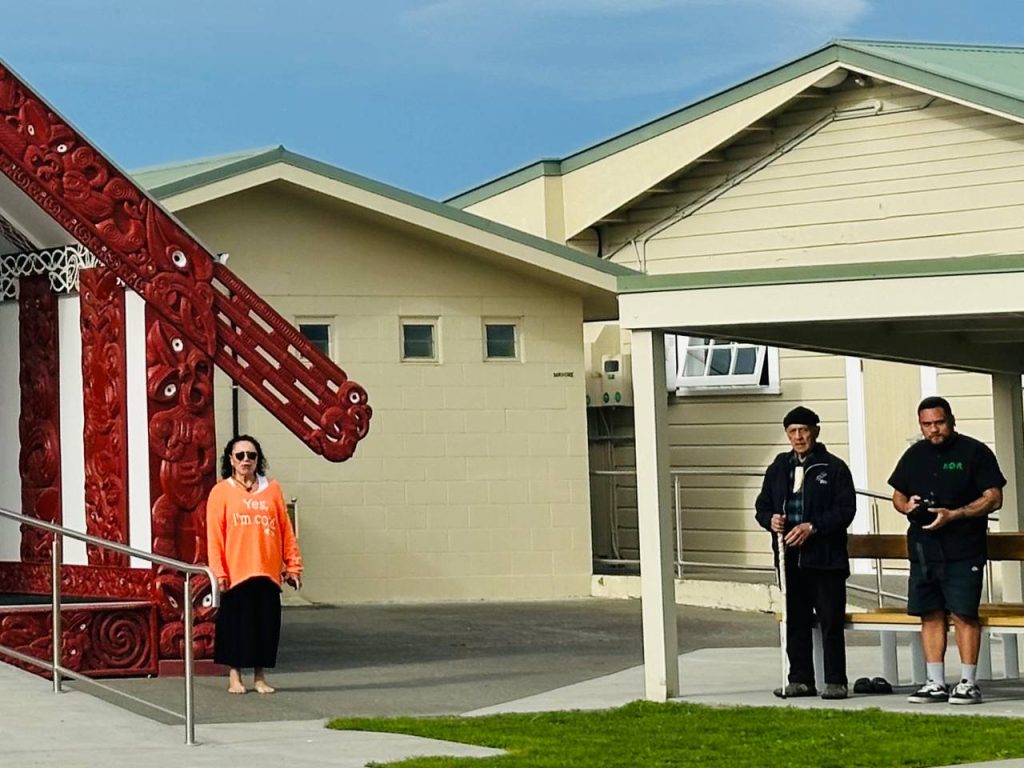
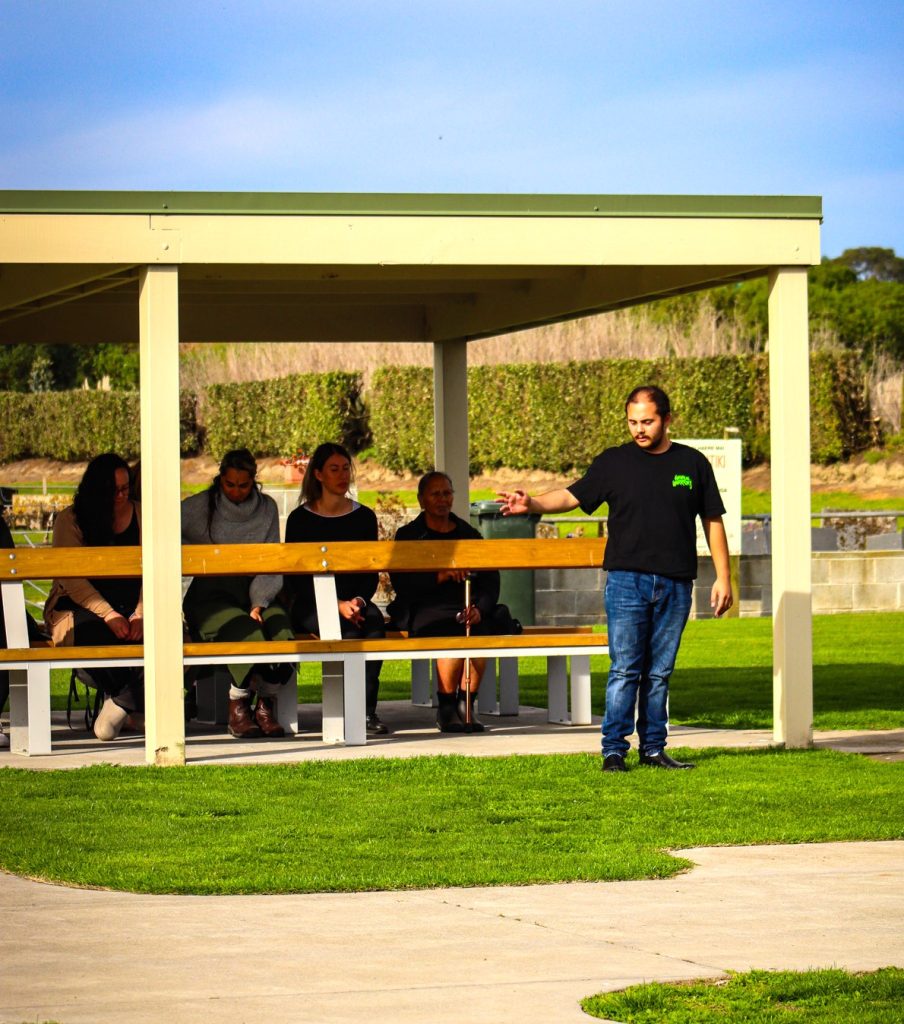
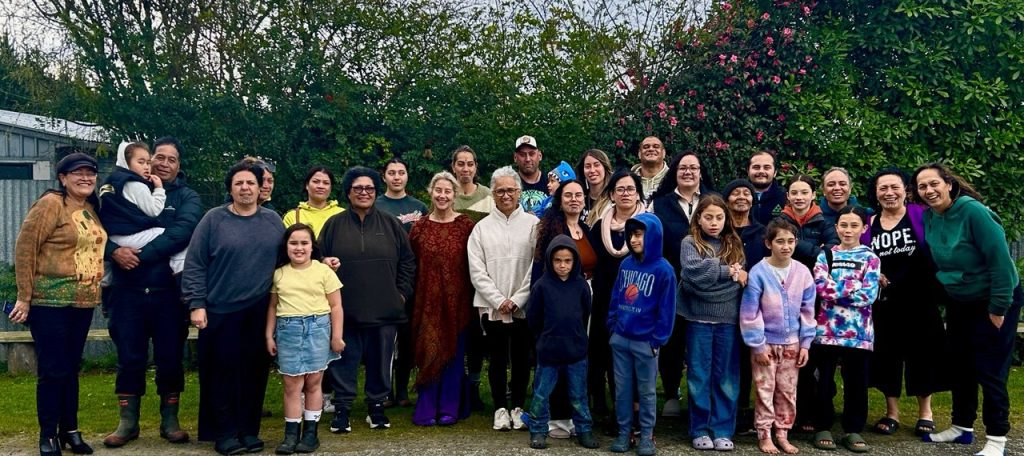
Pic taken on Friday afternoon – forgot to take a pic when the others arrived on Saturday
Kai and Teamwork in the Kitchen/Dining rooms/Ablution Block Evaluations
“Amazing team work. Kai was beautiful very spoiled.
The Kai was on, I had chia seeds in my pantry not knowing what else to do with them other than the yoghurt , coconut cream thing. The food was so different (only because im still learning how to put these together for myself) but yet delecious, the team work in the kitchen was onnnn, just like how it should be on the marae. The clean up to me was like normal, that being my turangawaewae i felt like i was home and it was normal, ive been in this kitchen since birth pretty much.
There is only aroha when it comes to our kai and our ever-growing rōpū. As always, Whaea Charlotte and Lisa were our absolutely amazing wharekai leaders but what stood out for me this time was seeing Treena’s newly found leadership in the kihini.
The kai was absolutely beautiful, so full of manaakitanga and flavour. I’m still trying to recreate those salads at home with no luck! The presentation, the warmth, the teamwork, even new whānau quickly find their rhythm and contribute naturally. Ngā mihi nui ki a koutou ngā ringawera me ngā tangata tautoko.
The kai was awesome (wananei) all very healthy and with in the guidelines of the healthy eating, specialy for me coming away with the mine set to reintroduce this healthy way of living back into my diet.
The kitchen ran very smoothly, I believe this was the case of having one person to direct in the kitchen to have direction in place where it utilised our time efficiently with task been meet everyone was hands on having a great chance to interact with one another about life etc, it gives you a humble feeling of belonging when you all muck in and have fun doing it.
The kai was delicious, nutritious and I have attempted some of the dishes at home. I have modified my diet to reduce inflammation.
The team work in the kitchen was awesome. Plenty of helping hands with the other chores”.
The Motherland of the MU Presentation Le’Muria
Evaluations
Lemuria content – because one of my passions is whakapapa It was interesting and great learning to try to understand Lemuria. Our planet is older than our people and it makes sense to add to my kite of figuring out who I am and how to view history.
I felt the content was interesting about the motherland of MU. My highlight was Learnings of “MU”, The exploration of Lemuria and the deep connections between wairua, tinana, and whenua were truly intriguing and opened up new pathways of understanding for me.
I was intrigued with the information on the mother land (Lemuria), to learn about the information been placed in crystal’s, just wow, I am very drawn to crystals, it just felt like wow how super interesting is that.
Kōrero Whakakapi
Ngā mihi maioha ki a koutou katoa
i tae mai ki te Romiromi me te Rongoā Wānanga i te marama o Mahuru.
He tino hōnore, he tino rangatira te manaaki i a koutou me ō koutou whānau
ki tō tātou marae.
Nā tātou katoa i whakarangatira te wānanga –
i whakakotahi ō tātou wairua, ō tātou whakaaro,
me te wairua o te mahi rongoā.
He haerenga wairua, he haerenga ngākau
ā, kāore e warewaretia.
E manako nui ana mātou kia hui anō tātou
i te wānanga ka whai ake.
Ka noho tonu koutou ki ō mātou ngākau,
ā, ka rere tonu ngā mihi aroha ki a koutou.
He whakataukī:
“Ehara taku toa i tetahi toa o Hinekorako engari he toa takitini.”
My strength is not that of one rainbow warrior of peace, but that of many.
Ngā mihi mahana,
Dr Charlotte Mildon
Te Kaituhi

Leave a Reply